Raj Thackeray slams Navi Mumbai traffic crisis, vows discipline if given power in Maharashtra
Synopsis
At a Navi Mumbai transporters' rally, MNS chief Raj Thackeray tore into Maharashtra's traffic management, e-challan enforcement, and builder-influenced development plans — then closed with a blunt political declaration: he is waiting for the day voters hand him power, insisting fixing urban chaos takes will, not rocket science.
Key Takeaways
MNS President Raj Thackeray addressed a commercial vehicle transport convention in Navi Mumbai on 26 October 2026 .
He criticised the arbitrary enforcement of e-challans , demanding the system be strictly camera-monitored rather than manually issued.
Thackeray accused authorities of drafting development plans out of 'friendship with builders' rather than expert urban planning input.
He alleged that roads and bridges are engineered to fail within two years to perpetuate repair contracts.
A colour-coded footpath proposal he made to the CM, Deputy CM, and BMC Commissioner was reportedly never implemented.
He closed with a direct political assertion: "I really look forward to seeing when the people of Maharashtra hand over power to me."
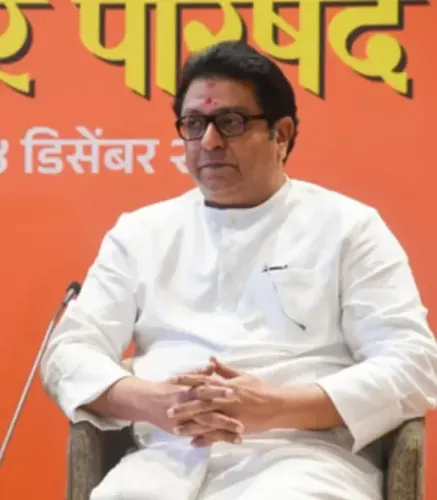
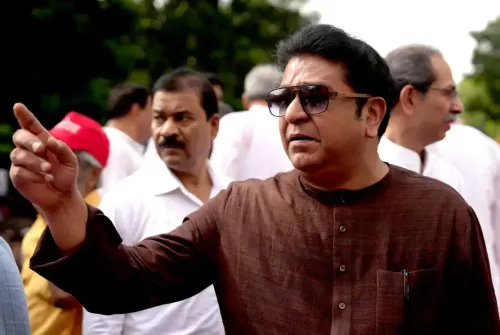
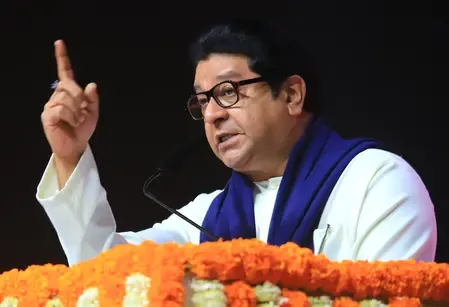
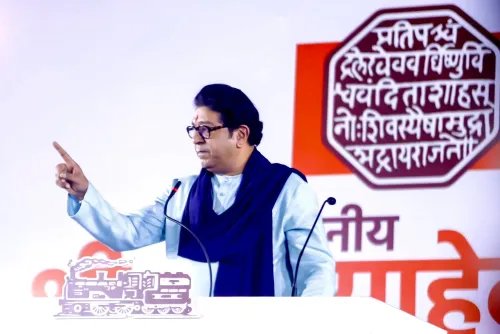
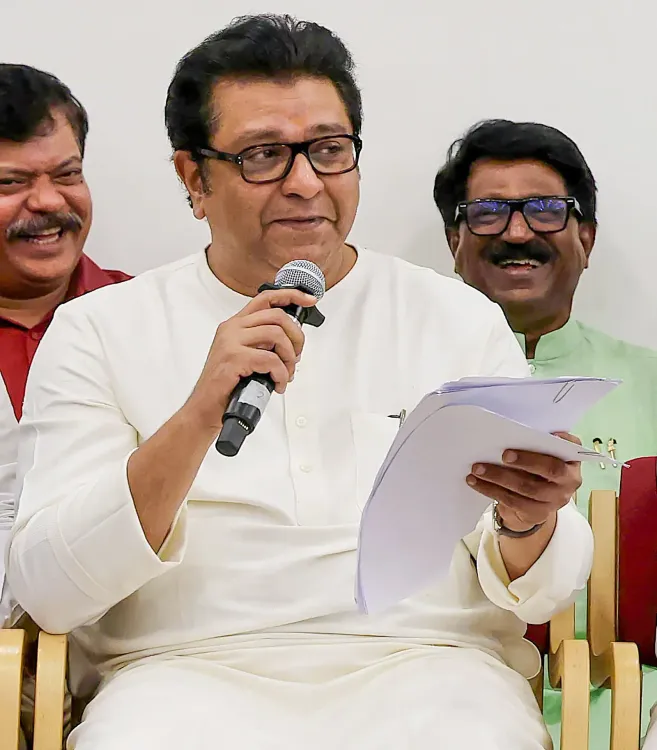
Maharashtra Navnirman Sena (MNS) President Raj Thackeray on Monday, 26 October launched a sharp attack on Maharashtra's deteriorating urban infrastructure and traffic management at a commercial vehicle transport convention and transporters' rally in Navi Mumbai, declaring that he eagerly awaits the day the people of Maharashtra hand over power to him. The address covered everything from flawed e-challan enforcement to builder-driven development plans, with Thackeray arguing that bringing discipline to the state's transit and urban sectors requires political will, not technical complexity.
Traffic Crisis: Thackeray's Core Warning
Thackeray warned that traffic problems plaguing Maharashtra's urban areas have already reached alarming proportions and are bound to worsen due to the absence of structured boundaries or civic rules. Crucially, he said he is not opposed to the e-challan system in principle, but took strong exception to the arbitrary manner in which fines are currently levied. He argued that e-challans should be strictly camera-monitored rather than issued manually on the spot by traffic personnel.
In a pointed observation, Thackeray noted the contradiction of deploying human traffic constables alongside automated signals — a sign, he said, that authorities do not trust motorists to follow rules even when technology is in place. "Looking at the traffic in this country gives me a glimpse of its present and future. We neither know how to drive vehicles nor how to park them," he remarked.
Urban Planning and Builder Nexus Under Fire
Thackeray accused authorities of drafting development plans out of "friendship with builders" rather than consulting urban planning experts. Pointing to basic planning norms, he noted that roads should ideally cover around 15 per cent of a region's total area, but that areas originally built to house 50 people now accommodate 500 without adequate parking infrastructure.
He also alleged that bridges and roads are often engineered to deteriorate within two years so that repair contracts can be continuously awarded — a criticism of systemic corruption in public works. He further questioned the haphazard growth of towers and housing colonies that lack public spaces such as playgrounds, gardens, or sustainable water supplies, asking whether such chaotic urbanisation deserves to be called 'discipline.'
Footpath Colour-Coding and Ignored Suggestions
Thackeray revealed that he had previously proposed a colour-coded footpath system to the Chief Minister, the Deputy Chief Minister, and the Brihanmumbai Municipal Corporation (BMC) Commissioner — with red and black marking strict no-parking zones and yellow and black designating permitted parking areas. He lamented that the suggestion was never implemented, arguing that without public enforcement, even sound ideas remain meaningless.
Suburban Rail Warning and Long-Term Vision
Thackeray sounded a broader alarm about the fragility of urban mobility, warning that if suburban railway systems — which carry millions of daily commuters in regions like Navi Mumbai — were ever to collapse, the resulting surge of private vehicles onto roads would completely gridlock the city, effectively trapping residents indoors. He criticised the lack of long-term urban vision that leaves cities vulnerable to such cascading failures.
Political Assertion: Power and Will
Closing his address with a direct political pitch, Thackeray declared: "I really look forward to seeing when the people of Maharashtra hand over power to me. Bringing discipline to these kinds of things is not rocket science; it just takes the will to do it," drawing loud applause from the audience of transporters and party workers. The remarks signal that the MNS chief intends to use urban governance failures as a central plank heading into the next electoral cycle in Maharashtra.
Point of View
Despite years of agitation politics, has rarely translated vocal urban discontent into legislative seats. The more substantive questions — why his colour-coding proposal to sitting authorities went unheeded, and what structural leverage an MNS government would actually have over BMC or CIDCO — went unaddressed. Criticising builder nexus and corrupt public works is easy applause territory; dismantling those networks from inside government is the harder test Thackeray has yet to face.
NationPress
26 Oct 2026
Frequently Asked Questions
What did Raj Thackeray say at the Navi Mumbai rally?
Raj Thackeray criticised Maharashtra's worsening traffic crisis, the arbitrary enforcement of e-challans, and builder-influenced urban development plans at a commercial vehicle transport convention in Navi Mumbai on 26 October. He also declared that he is waiting for the day the people of Maharashtra hand over power to him.
What is Raj Thackeray's objection to the e-challan system?
Thackeray said he is not opposed to e-challans in principle but argued they should be strictly camera-monitored rather than issued manually on the spot by traffic personnel. He called the current manual enforcement arbitrary and open to misuse.
What urban planning proposals did Raj Thackeray suggest?
Thackeray proposed a colour-coded footpath system — red and black for strict no-parking zones, yellow and black for designated parking areas — which he said he had already shared with the Chief Minister, Deputy Chief Minister, and BMC Commissioner, but which was never implemented.
Why did Thackeray warn about suburban railway collapse?
He argued that suburban rail systems carry millions of daily commuters in regions like Navi Mumbai, and if they were to fail, the sudden flood of private vehicles onto roads would completely gridlock the city. The warning was aimed at highlighting the lack of long-term urban mobility planning.
What is the political significance of Thackeray's remarks?
By declaring 'I really look forward to seeing when the people of Maharashtra hand over power to me,' Thackeray signalled that the MNS intends to contest future Maharashtra elections on an urban governance platform. The speech positions the party as a voice for transporters and urban commuters frustrated with civic mismanagement.