Rajasthan Cabinet Clears Two Key Amendments to 2007 Renewable Land Rules

Synopsis
The Rajasthan state cabinet, chaired by Chief Minister Bhajanlal Sharma, approved two amendments to the Rajasthan Land Revenue (Renewable Energy Sources Based Power Plants for Land Allocation) Rules, 2007, easing land allotment for solar, wind, and biomass energy projects.
Key Takeaways
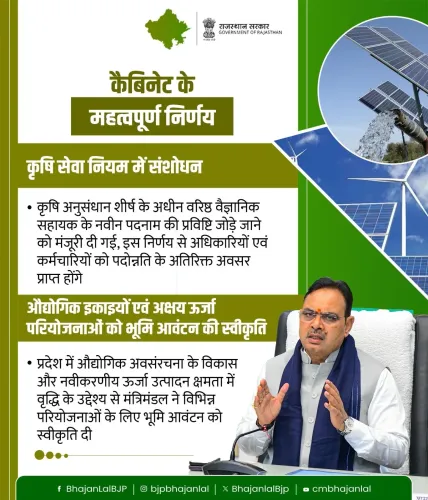
The Rajasthan cabinet approved two amendments to the Rajasthan Land Revenue (Renewable Energy Sources Based Power Plants for Land Allocation) Rules, 2007 on 7 August 2026 .
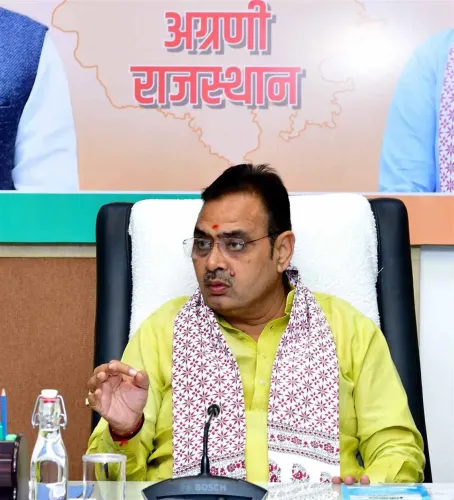
The meeting was chaired by Chief Minister Bhajanlal Sharma at the Chief Minister's Office in Jaipur .
The amendments cover land allotment for solar, wind, and biomass non-conventional renewable energy projects.
The 2007 rules are the foundational state framework for allocating government land to renewable energy developers.
The exact text of the two amendments will be confirmed upon publication in the state gazette .
The move aligns with the BJP government's Aapno Agrani Rajasthan investment agenda, which has positioned renewable energy as a priority sector.
Rajasthan's renewable energy ambitions got a policy push on Friday, 7 August 2026, when the state cabinet — chaired by Chief Minister Bhajanlal Sharma — approved two significant amendments to the rules that govern how government land is allotted for solar, wind, and biomass power projects. The changes target the Rajasthan Land Revenue (Renewable Energy Sources Based Power Plants for Land Allocation) Rules, 2007, a foundational framework that has shaped the state's green energy buildout for nearly two decades.
What the Cabinet Cleared — and Why 2007 Still Matters
The 2007 rules were originally framed to create a structured, transparent mechanism for allocating state land to non-conventional energy developers — covering solar, wind, and biomass installations. Successive governments have returned to this rulebook periodically, each time trying to reduce procedural friction and align the state's land-allotment process with evolving national renewable targets. The cabinet's approval of two amendments continues that tradition, though the precise text of the changes awaits publication in the state gazette.
The Chief Minister's Office described the move as approval of 'do mahatvapurn sanshodhan' — two important amendments — aimed at facilitating land allocation for non-conventional renewable energy projects. The session was held at the Chief Minister's Office in Jaipur.
Rajasthan's Renewable Edge — and the Land Bottleneck
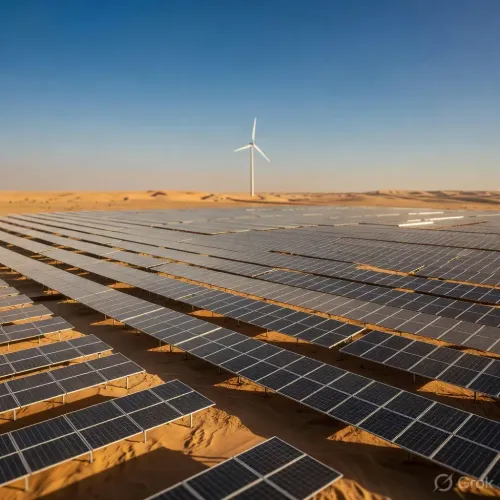
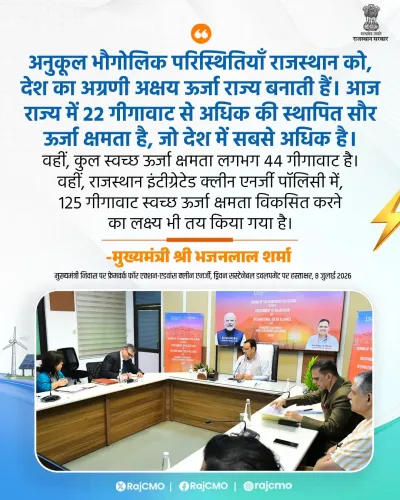
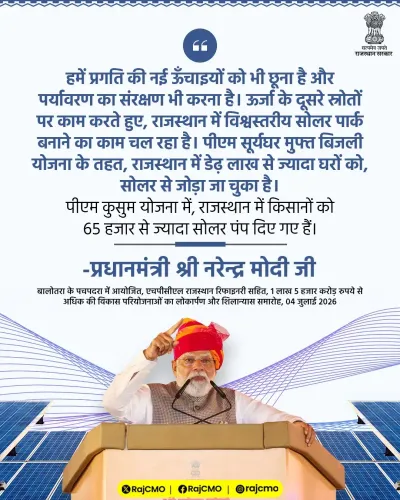
Geography has long made Rajasthan a national frontrunner in renewables. The state commands some of India's highest solar irradiance levels and sits astride productive wind corridors, making it a magnet for utility-scale solar parks and hybrid projects. Yet land allotment — navigating revenue records, competing claims, and procedural timelines — has historically been the single biggest friction point for developers trying to break ground.
The 2007 rules have been amended before precisely because the original framework could not anticipate the scale at which private capital would eventually flow into Rajasthan's desert and semi-arid tracts. Each revision has tried to shorten the gap between a project proposal and a signed land allotment order. The BJP government under Bhajanlal Sharma, which took office in December 2023, has positioned renewable energy attraction as a pillar of its investment agenda under the 'Aapno Agrani Rajasthan' ('Our Leading Rajasthan') banner — the hashtag the CMO attached to this announcement.
What Developers and Investors Will Be Watching
For renewable energy developers and private power investors, the immediate question is what the two amendments actually say. Until the gazette notification is published, the practical impact — whether the changes affect lease rates, allotment timelines, eligible project categories, or the acreage cap per project — remains to be confirmed from official sources. What is clear is that the cabinet has moved, and the signal to the market is deliberate: Rajasthan is still open, and actively reshaping the terms, for large-scale green energy investment.
The next milestones to track are the gazette publication, any new bidding rounds or request-for-proposal notices from the Rajasthan Renewable Energy Corporation, and whether the amendments unlock stalled project proposals that had been held up by the existing land-allotment process.
India's third-largest state by area just made its land rules a little easier to navigate for the energy transition. The details will determine how much easier.
Point of View
Suggesting that each wave of investment ambition eventually runs into the limits of existing rules. For the BJP government, the timing also carries political logic: streamlining green energy land allocation feeds both the Modi-era national renewable target narrative and the state's own 'Aapno Agrani Rajasthan' branding. The test, as always, will be in the gazette text and the speed with which developers can actually translate the revised rules into signed allotment orders.
NationPress
8 Aug 2026
Frequently Asked Questions
What are the Rajasthan Land Revenue Renewable Energy Rules 2007?
The Rajasthan Land Revenue (Renewable Energy Sources Based Power Plants for Land Allocation) Rules, 2007 are state rules that provide a structured mechanism for allotting government land to developers setting up solar, wind, biomass, and other non-conventional renewable energy power plants in Rajasthan.
What did the Rajasthan cabinet decide on 7 August 2026?
The Rajasthan state cabinet, chaired by Chief Minister Bhajanlal Sharma, approved two important amendments to the 2007 land-allotment rules for renewable energy projects, covering solar, wind, and biomass power plants.
How does Rajasthan benefit from renewable energy projects?
Rajasthan has some of India's highest solar irradiance levels and productive wind corridors, making it a leading destination for utility-scale solar parks, wind farms, and hybrid renewable projects, attracting large-scale private investment.
Who is Bhajanlal Sharma and when did he become Chief Minister?
Bhajanlal Sharma is the Chief Minister of Rajasthan, heading the BJP government that came to power after the December 2023 state assembly elections.
When will the details of the two amendments be available?
The exact provisions of the two amendments will be confirmed upon their publication in the Rajasthan state gazette, which is the standard next step following cabinet approval.