Rajasthan CMO: 20 Lakh Women Now Lakhpati Didi
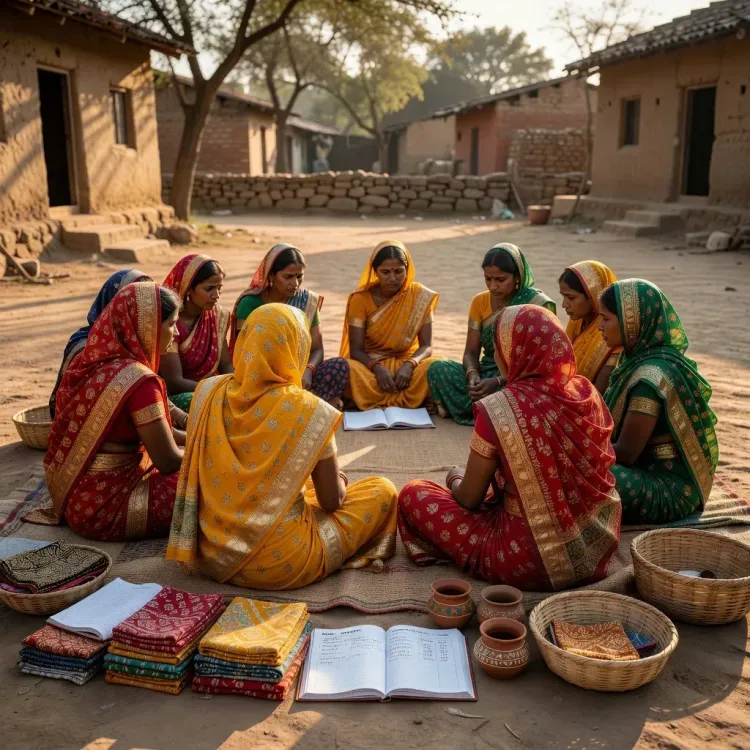
Synopsis
Rajasthan's Chief Minister's Office announced that 20 lakh women have achieved Lakhpati Didi status under CM Bhajan Lal Sharma's government, reaching 80 percent of the state's target of 25 lakh beneficiaries under the DAY-NRLM-linked scheme.
Key Takeaways
20 lakh women in Rajasthan have become Lakhpati Didis, earning at least Rs 1 lakh annually through self-help group activities.
The Rajasthan state government has set a total target of 25 lakh Lakhpati Didis — one of the largest sub-national commitments under the scheme.
The initiative is anchored in the central Deendayal Antyodaya Yojana – NRLM , operational since 2011 .
The national Lakhpati Didi target of two crore beneficiaries was announced in the 2023 Union Budget .
Chief Minister Bhajan Lal Sharma has positioned women's economic milestones as a flagship governance priority since taking office in December 2023 .
5 lakh women remain in the pipeline before Rajasthan's full target is achieved.
Twenty lakh women in Rajasthan have crossed the annual income threshold of one lakh rupees under the Lakhpati Didi scheme — four-fifths of the state government's ambitious target of 25 lakh beneficiaries, the Chief Minister's Office of Rajasthan announced on Saturday, 14 November 2026.
From Self-Help Groups to Six-Figure Earners
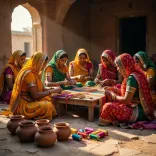
The Lakhpati Didi initiative, rooted in the central government's Deendayal Antyodaya Yojana – National Rural Livelihoods Mission (DAY-NRLM), targets women organised into self-help groups (SHGs) and equips them with skill training, market linkages, and micro-enterprise support to generate sustainable annual incomes of at least Rs 1 lakh. The scheme was given national momentum in the 2023 Union Budget, which set a pan-India target of two crore Lakhpati Didis.
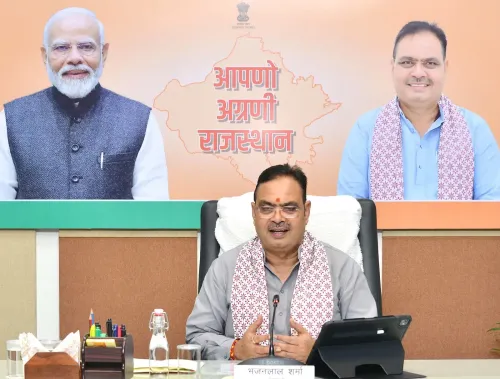
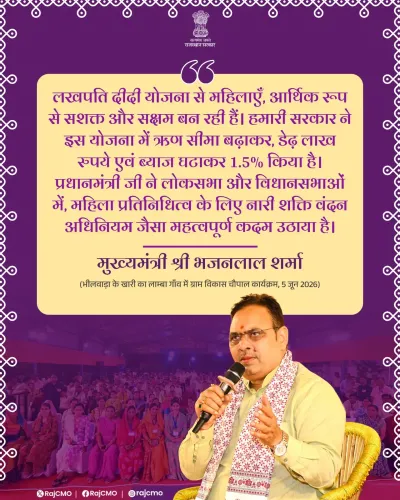
Rajasthan's state-level target of 25 lakh women represents one of the more ambitious sub-national commitments under this framework. The CMO's post, attributed to Chief Minister Bhajan Lal Sharma and tagged with the hashtag #आपणो_अग्रणी_राजस्थान ('Our Pioneering Rajasthan'), signals the Sharma government's intent to use measurable women's economic milestones as a flagship governance marker.
Bhajan Lal Sharma's Bet on Rural Women's Economy
Chief Minister Bhajan Lal Sharma, who took office in December 2023 as the BJP's pick for Rajasthan, has positioned women-led rural development as a central plank of his administration. The Lakhpati Didi count — now at 20 lakh — gives his government a concrete, headline-friendly number to defend ahead of future electoral cycles.
The DAY-NRLM architecture that underpins the scheme has been operational since 2011, building community institutions and women's collectives across rural India. Rajasthan's scale-up fits a broader pattern: states competing to show the fastest SHG-to-income-earner conversion rates, with numeric targets functioning as both policy goals and political scorecards.
Five Lakh Women Still in the Pipeline
With 5 lakh women still to reach the Rs 1 lakh income mark before the target is complete, the pace of the final stretch will matter most. Analysts watching the scheme will look for linked budget provisions — skill-training allocations, market-linkage programmes, and credit access for SHG members — to determine whether the last mile is funded or merely aspirational.
Rural women in Rajasthan's semi-arid districts, where wage labour is seasonal and migration is common, stand to gain the most if the income guarantee holds. Whether the state can close the gap and deliver all 25 lakh Lakhpati Didis will be the real test of the programme's depth beyond its headline numbers.
Twenty lakh women earning independently is a data point. Twenty-five lakh is a promise — and Rajasthan has put it in writing.
Point of View
A useful double dividend for the ruling party. However, with 5 lakh women still short of the target, the credibility of the final count will depend on whether income gains are sustained or one-time, a distinction that aggregate headline numbers routinely obscure. How Rajasthan funds the last mile — through skill training, credit access, or market linkages — will reveal whether this is durable policy or a numbers exercise.
NationPress
14 Nov 2026
Frequently Asked Questions
What is the Lakhpati Didi scheme in Rajasthan?
The Lakhpati Didi scheme aims to help women in self-help groups earn at least Rs 1 lakh annually through skill training, micro-enterprises, and market linkages. Rajasthan has set a target of 25 lakh such beneficiaries under the DAY-NRLM framework.
How many Lakhpati Didis has Rajasthan achieved so far?
According to the Chief Minister's Office of Rajasthan, 20 lakh women have become Lakhpati Didis as of November 2026, reaching 80 percent of the state's 25 lakh target.
Who announced the Lakhpati Didi target for Rajasthan?
The target was set by the Rajasthan state government under Chief Minister Bhajan Lal Sharma, who took office in December 2023, and was communicated via the official Chief Minister's Office account on X.
What is DAY-NRLM and how is it linked to Lakhpati Didi?
Deendayal Antyodaya Yojana – National Rural Livelihoods Mission (DAY-NRLM) is a central government scheme operational since 2011 that supports women's self-help groups. The Lakhpati Didi initiative is implemented through this framework to enable income generation for rural women.
What is the national Lakhpati Didi target announced in the Union Budget?
The 2023 Union Budget announced a national target of two crore Lakhpati Didis across India. Rajasthan's 25 lakh target is one of the state-level commitments contributing to this national goal.