Rajasthan CMO directs Labour Dept to ensure BOCW cess recovery
Synopsis
The Chief Minister's Office of Rajasthan on 10 July 2026 directed the Labour Department to ensure effective recovery of statutory cess on construction projects under the BOCW Acts, signalling heightened enforcement of levies meant to fund welfare for the state's informal construction workforce.
Key Takeaways
The Rajasthan CMO on 10 July 2026 publicly directed the Labour Department to ensure effective recovery of cess due on construction works.
The directive relates to the statutory 1–2% cess on construction project costs mandated under the BOCW Acts of 1996 .
Recovered funds flow into the Rajasthan Building and Other Construction Workers Welfare Board for worker social security.
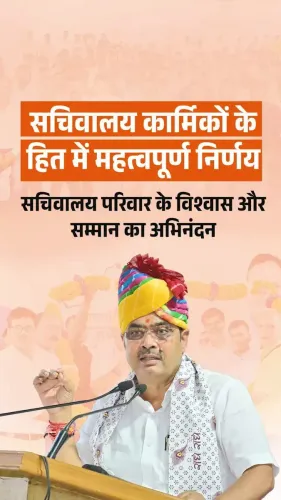
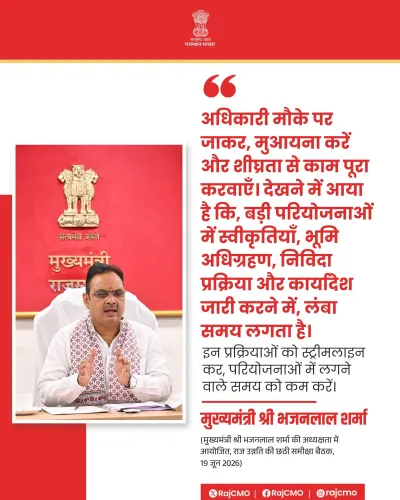
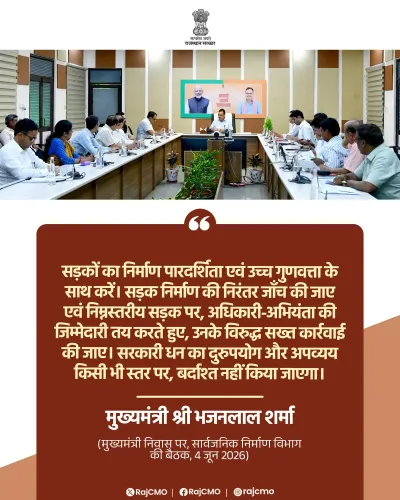
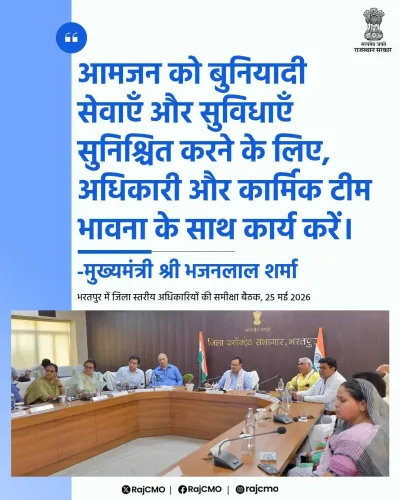
Chief Minister Bhajanlal Sharma was tagged directly in the post, indicating top-level political backing for the directive.
The post carried the hashtag #आपणो_अग्रणी_राजस्थान , linking the action to the BJP government's broader administrative efficiency agenda.
Under-collection of BOCW cess has been a persistent challenge across Indian states, with courts repeatedly pressing for stricter recovery.
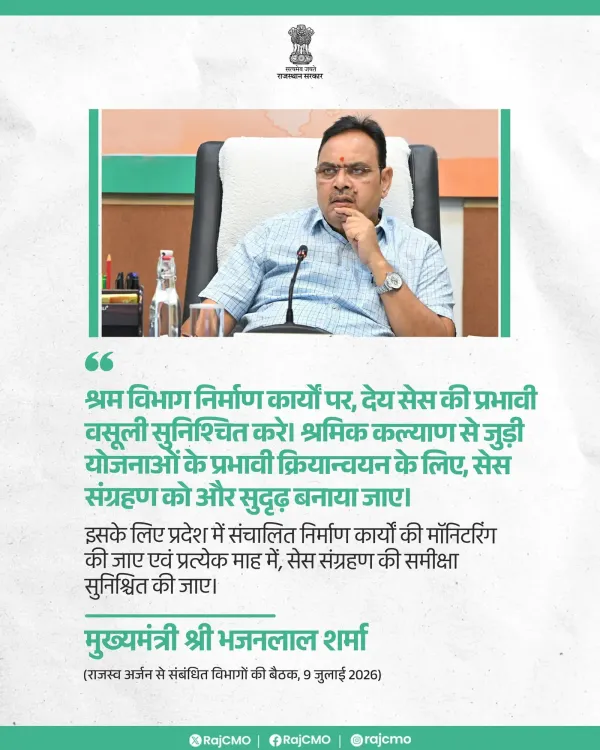
The Chief Minister's Office of Rajasthan on Friday, 10 July 2026 directed the state's Labour Department to ensure effective recovery of construction cess dues, tagging Chief Minister Bhajanlal Sharma in a post on X that underscored the government's focus on enforcing statutory levies on construction projects.
The post, carrying the hashtag #आपणो_अग्रणी_राजस्थान ('Our Leading Rajasthan'), stated: 'श्रम विभाग निर्माण कार्यों पर, देय सेस की प्रभावी वसूली सुनिश्चित करे' — 'The Labour Department must ensure effective recovery of cess due on construction works.'
Context
The directive refers to the levy mandated under the Building and Other Construction Workers (Regulation of Employment and Conditions of Service) Act, 1996, and the accompanying Building and Other Construction Workers' Welfare Cess Act, 1996. Under this framework, a cess of 1 to 2 per cent of the cost of construction projects is collected to fund welfare boards that provide social security to unorganised workers in the sector.
The Rajasthan Labour Department is the nodal agency responsible for enforcing these provisions, including identifying liable construction projects, raising cess demands, and channelling recoveries into the Rajasthan Building and Other Construction Workers Welfare Board.
Policy Backdrop
The BOCW Acts of 1996 were enacted by Parliament to extend a social safety net to one of India's largest categories of informal workers — migrants, daily-wage labourers, and contract workers employed on construction sites. States were empowered to constitute welfare boards funded by this cess, which can be used for health insurance, educational scholarships, housing assistance, and maternity benefits for registered workers.
Across India, cess collection under these acts has historically lagged behind the scale of construction activity, with courts and central authorities periodically directing states to tighten enforcement. The Supreme Court of India has at various points taken up the issue of under-collection and under-utilisation of BOCW funds, pressing state governments to improve both recovery and disbursal mechanisms.
Stakeholders and Impact
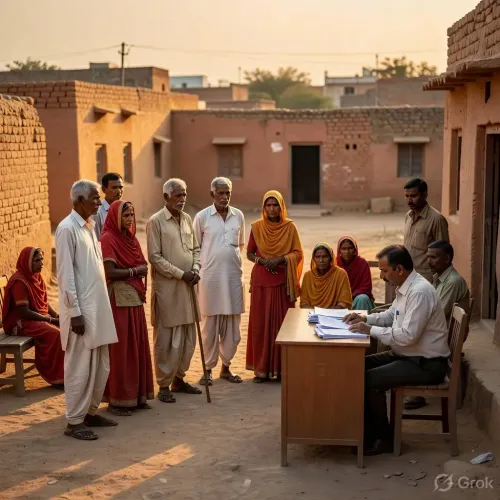
Construction workers — including migrant labourers who form the backbone of Rajasthan's booming infrastructure and real-estate sectors — stand to benefit most directly from improved cess recovery, as larger welfare board funds translate into more robust social security entitlements. Contractors and builders executing projects above the statutory threshold are the primary cess payers and will face heightened scrutiny from the Labour Department under this directive.
The CMO's public tagging of CM Bhajanlal Sharma signals that the directive carries political weight at the highest level of the state government, lending urgency to departmental compliance.
What's Next
Observers will watch for follow-up enforcement circulars, audits of pending cess demands, and quarterly reports from the Rajasthan Building and Other Construction Workers Welfare Board as indicators of how swiftly the Labour Department acts on this directive. Sustained recovery efforts could materially expand the welfare corpus available to the state's large informal construction workforce, reinforcing the BJP government's stated goal of administrative efficiency under the Aapno Agrani Rajasthan ('Our Leading Rajasthan') agenda.
Point of View
Designed to signal that cess enforcement is a political priority, not merely an administrative routine. It fits a broader pattern of BJP-governed states using social-media channels to issue visible governance nudges, creating a paper trail that can be cited in future audits or court proceedings. The move also responds to longstanding judicial and central pressure on states to improve BOCW fund utilisation, giving the Rajasthan government an opportunity to demonstrate reform credentials ahead of any legislative or audit scrutiny. Whether the directive translates into measurable recovery gains will depend on the Labour Department's capacity to identify liable projects and pursue dues — a test of implementation over optics.
NationPress
8 Oct 2026
Frequently Asked Questions
What is BOCW cess and why is Rajasthan focusing on it?
BOCW cess is a statutory levy of 1 to 2 per cent on construction project costs, collected under the Building and Other Construction Workers Acts of 1996 to fund welfare boards for informal construction workers. The Rajasthan CMO directed the Labour Department on 10 July 2026 to ensure effective recovery of these dues, reflecting both judicial pressure and the government's administrative efficiency agenda.
Who is responsible for collecting construction cess in Rajasthan?
The Rajasthan Labour Department is the nodal agency for collecting BOCW cess from contractors and builders, and channelling the funds into the Rajasthan Building and Other Construction Workers Welfare Board.
What benefits do construction workers get from BOCW cess funds?
Registered construction workers can access welfare benefits including health insurance, educational scholarships for children, housing assistance, and maternity benefits, all financed from the cess corpus held by the state welfare board.
Who pays construction cess in Rajasthan?
Contractors and builders executing construction projects above the prescribed cost threshold are liable to pay the BOCW cess, which is then remitted to the state Labour Department.
What is the significance of the hashtag Aapno Agrani Rajasthan?
'Aapno Agrani Rajasthan' translates to 'Our Leading Rajasthan' and is a branding hashtag used by the Rajasthan BJP government to frame its governance and development initiatives under Chief Minister Bhajanlal Sharma.