Rajasthan CMO orders full safety compliance at firecracker shops
Synopsis
The Chief Minister's Office of Rajasthan publicly directed all firecracker outlets to fully comply with safety standards, tagging CM Bhajanlal Sharma in a 4 November 2026 post that signals a formal enforcement push ahead of the festive season.
Key Takeaways
The Chief Minister's Office of Rajasthan issued a public directive on 4 November 2026 ordering full safety-standard compliance at all firecracker shops.
The post tags Chief Minister Bhajanlal Sharma directly, giving it formal administrative weight.
PESO guidelines under the Explosives Rules govern licensed firecracker outlets, covering storage distances, stock limits, and firefighting equipment.
District administrations are the primary enforcement arm expected to act on the directive.
Such orders follow a recurring national pattern ahead of major festivals, aimed at curbing storage fires and market accidents.
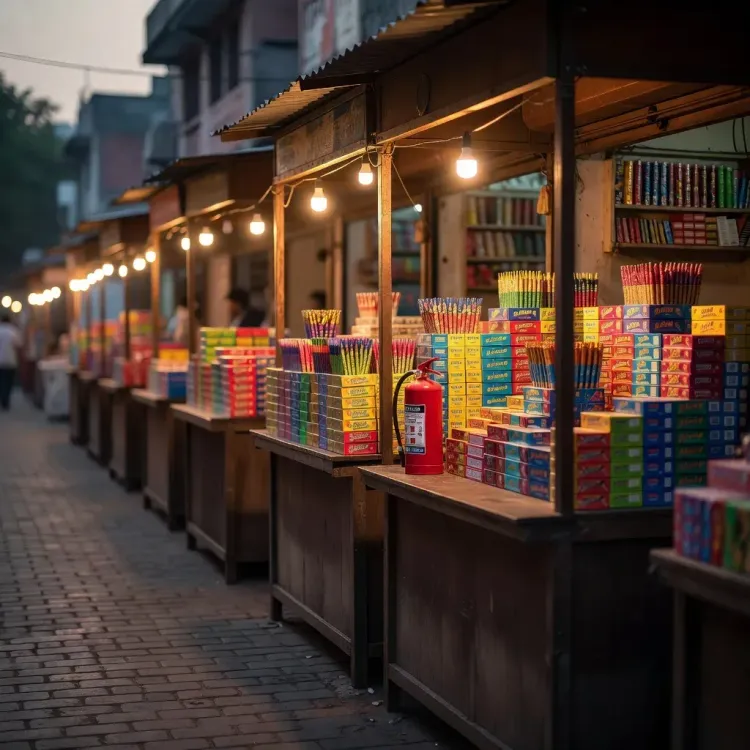
With the festive season at its peak and firecracker stalls filling market lanes across Rajasthan, the Chief Minister's Office has issued a sharp, public directive: every firecracker outlet in the state must comply fully with safety standards — no exceptions.
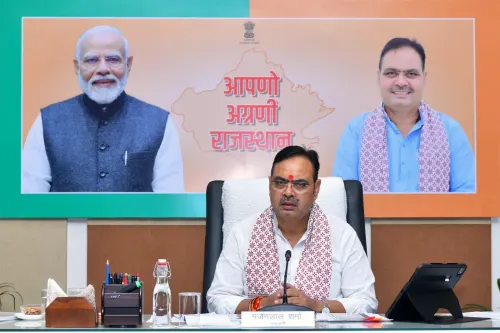
The post, shared on Wednesday, 4 November 2026, tags Chief Minister Bhajanlal Sharma directly and carries the state campaign hashtag #आपणो_अग्रणी_राजस्थान ('Our Leading Rajasthan'), signalling this is an official governance directive rather than a routine social media update. The message, translated from Hindi, reads: 'Ensure full compliance with safety standards at firecracker shops.'
What the safety rules actually demand
India's Petroleum and Explosives Safety Organisation (PESO) guidelines under the Explosives Rules set mandatory requirements for licensed firecracker outlets — covering storage distance norms from buildings and public spaces, limits on the quantity of stock that can be held at a point of sale, and the provision of firefighting equipment on site. Violations have historically led to deadly storage fires, particularly in densely packed bazaars during festival periods.
Rajasthan's directive plugs directly into this central framework, essentially ordering district administrations to enforce rules that already exist on paper but can slip during the high-volume, high-pressure days of the festive rush.
A pattern that repeats — and why it still matters
Indian states issue compliance orders for firecracker outlets routinely ahead of major festivals. The recurrence is itself the story: rules exist, accidents still happen, and public reminders from the top of government are designed to trigger ground-level inspections. When an order is issued through the Chief Minister's Office and tags the CM personally, it carries administrative weight — district collectors and police superintendents read it as a signal to act, not to file and forget.
What to watch now: enforcement reports from Rajasthan's district administrations and any follow-up circulars from the Home or Urban Development departments that translate the directive into specific inspection protocols.
Point of View
But state-level political will determines whether district machinery actually enforces it. By routing the order through the CMO and tagging the Chief Minister publicly, the Bhajanlal Sharma administration makes enforcement a matter of visible political accountability rather than quiet bureaucratic memo. The 'Aapno Agrani Rajasthan' branding also ties routine safety compliance into the government's broader image-building exercise. The real test, as always, will be whether this translates into documented inspections on the ground before the festive rush peaks.
NationPress
4 Nov 2026
Frequently Asked Questions
What did the Rajasthan CMO order about firecracker shops?
The Chief Minister's Office of Rajasthan directed all firecracker outlets to fully comply with safety standards, issuing the order on 4 November 2026 and tagging CM Bhajanlal Sharma.
What safety rules apply to firecracker shops in India?
PESO guidelines under the Explosives Rules require licensed firecracker outlets to maintain minimum distance norms from buildings, limit stock quantities, and keep firefighting equipment on site.
Who is Bhajanlal Sharma?
Bhajanlal Sharma is the Chief Minister of Rajasthan from the BJP, in office since December 2023.
Why do states issue firecracker safety orders before festivals?
Festive seasons see a sharp rise in firecracker sales and storage at temporary stalls, raising the risk of fires and explosions; compliance orders prompt district authorities to inspect outlets before accidents occur.
Which department enforces firecracker shop safety in Rajasthan?
District administrations are the primary enforcement arm, with potential follow-up circulars expected from Rajasthan's Home or Urban Development departments.