Rajasthan CMO: State must be known as power seller, not buyer
Synopsis
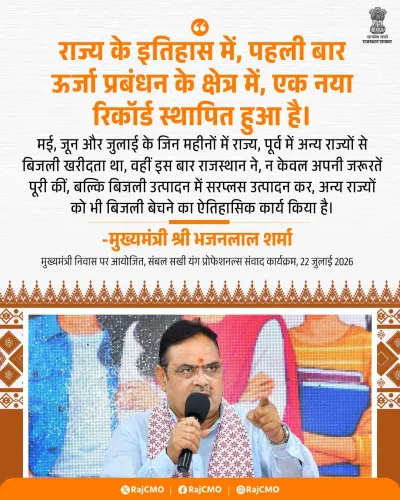
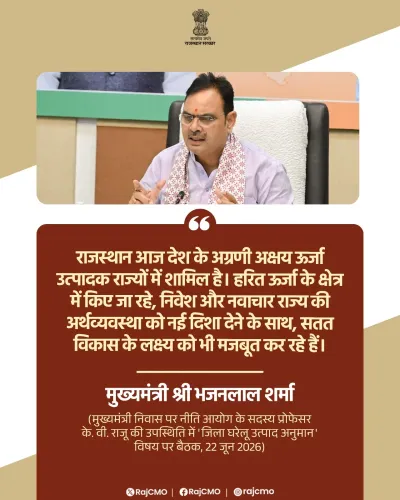
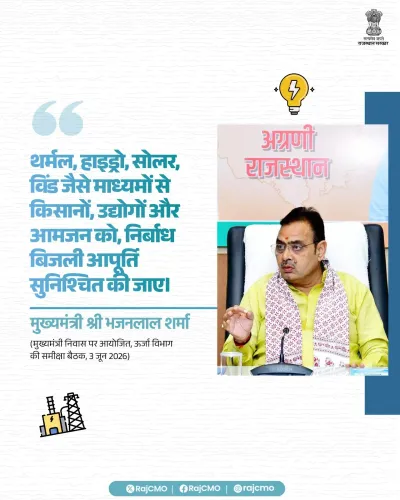
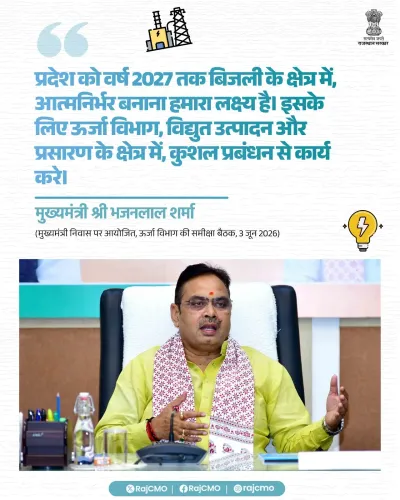
The Rajasthan Chief Minister's Office has directed energy department officials to work to an action plan that transforms the state into a power-selling leader rather than a buyer, reinforcing Chief Minister Bhajan Lal Sharma's push to leverage Rajasthan's solar and wind resources for surplus generation and inter-state electricity sales.
Key Takeaways
The Rajasthan CMO on 4 June 2026 instructed officials to make the state a power seller, not buyer.
The post tagged Chief Minister Bhajan Lal Sharma and used the hashtag #आपणो_अग्रणी_राजस्थान .
Officers were told to work with full responsibility and follow a defined action plan.
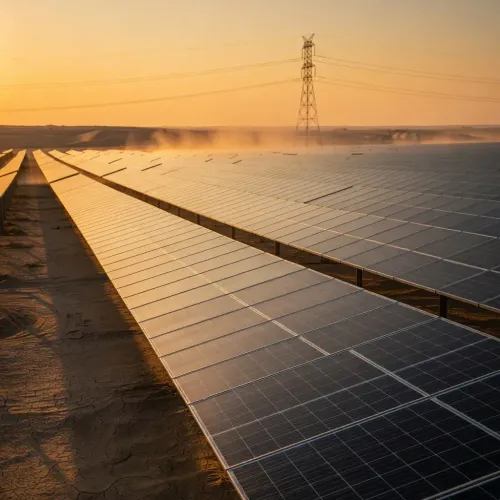
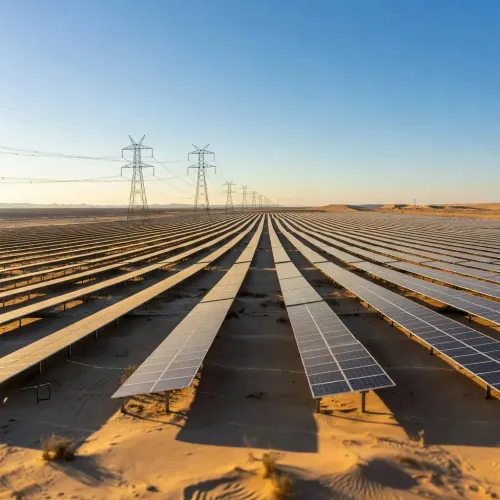
Rajasthan hosts the Bhadla Solar Park , one of the world's largest solar installations.
The Rajasthan Solar Energy Policy 2019 set a 30 GW renewable target by 2024-25 .
The directive aligns with the broader shift from power importer to surplus exporter.
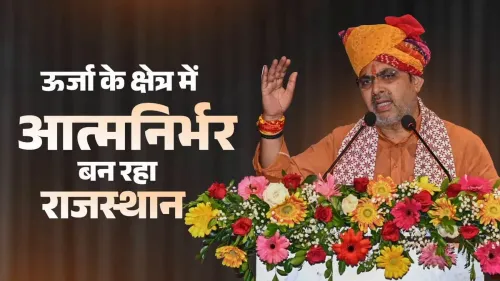
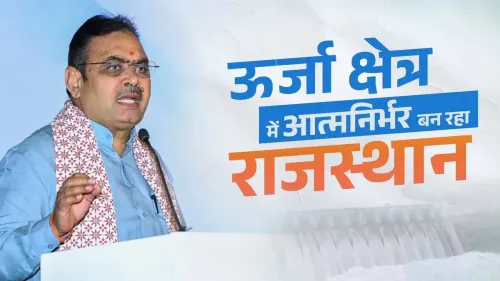
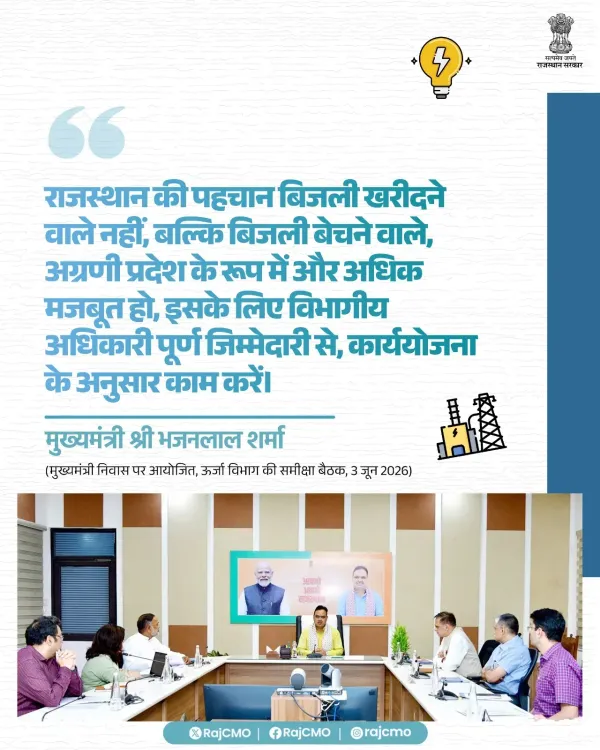
The Chief Minister's Office of Rajasthan on 4 June 2026 issued a directive to the state's energy bureaucracy, asserting that Rajasthan's identity must shift decisively from a power-purchasing state to a power-selling, leading state. The post, addressed to Chief Minister Bhajan Lal Sharma and tagged with the campaign hashtag #आपणो_अग्रणी_राजस्थान (Our leading Rajasthan), instructed departmental officers to work with 'full responsibility' and 'as per the action plan'.
Translated from Hindi, the post reads: 'For Rajasthan's identity to be further strengthened not as a buyer of electricity but as a seller of electricity and a leading state, departmental officers must work with full responsibility and according to the action plan.' The message frames energy self-sufficiency as a measurable bureaucratic deliverable rather than an aspirational slogan.
Context
The directive arrives roughly two-and-a-half years into the Bhajan Lal Sharma government, which assumed office in December 2023 after the BJP's return to power in Rajasthan. Energy has been a recurring focus area for the administration, with the chief minister repeatedly linking industrial expansion, agricultural pump-set supply and household reliability to the pace at which the state can add generation and transmission capacity.
Rajasthan's natural endowment underpins the ambition. The state hosts the Bhadla Solar Park, developed in phases since 2015 and counted among the largest solar installations globally, and benefits from some of the country's highest solar irradiance levels alongside strong wind corridors in the western districts.
Policy backdrop
The current push builds on the Rajasthan Solar Energy Policy 2019, which set a target of adding 30 GW of renewable capacity by 2024-25, and on the central National Solar Mission launched in 2010. Successive state governments have used these frameworks to attract private developers to the Jodhpur, Jaisalmer and Bikaner belts.
The shift from being a net importer of electricity to a surplus, export-oriented producer is a stated policy arc that cuts across party lines in Jaipur. The CMO's emphasis on a written 'action plan' suggests an effort to convert headline targets into department-level deliverables with timelines.
Stakeholders and impact
The instruction is directed primarily at the Rajasthan Energy Department and the state's power distribution companies, which together handle generation procurement, grid evacuation and consumer supply. Renewable developers operating in the state stand to gain from any acceleration in transmission build-out, since stranded capacity has historically been a bottleneck.
For households and farmers, surplus generation could translate into more stable supply, particularly during peak summer demand when Rajasthan's load has stressed the grid in past years. For the state exchequer, inter-state power sales offer a potential non-tax revenue stream tied to long-term purchase agreements with deficit states.
What's next
Attention will turn to the energy department's next quarterly review and to any capacity-addition or transmission-funding announcements in the forthcoming state budget cycle. Officials are also expected to formalise inter-state power sale arrangements that would validate the 'seller, not buyer' framing.
If the directive is matched by visible project clearances and grid commissioning, it could mark a measurable transition point for Rajasthan's positioning in the national power market — moving the rhetoric of energy leadership closer to a balance-sheet reality.
Point of View
Andhra Pradesh and Rajasthan are repositioning themselves as renewable suppliers to deficit consumers in the north and east. The political utility is twofold — it reframes Rajasthan's identity around economic leadership, and it gives the CMO a concrete metric, power exports, against which to hold departments accountable.
NationPress
21 Oct 2026
Frequently Asked Questions
What did the Rajasthan CMO say about electricity?
The Chief Minister's Office of Rajasthan said on 4 June 2026 that the state's identity must be strengthened as a seller of electricity, not a buyer, and directed officials to work according to an action plan.
Who is the current Chief Minister of Rajasthan?
Bhajan Lal Sharma is the Chief Minister of Rajasthan, having taken office in December 2023 after the BJP returned to power in the state.
Is Rajasthan a power surplus state?
Rajasthan has been moving toward surplus status by leveraging its high solar irradiance and wind resources, though its exact import-export balance varies year to year based on demand and capacity addition.
What is the Bhadla Solar Park?
Bhadla Solar Park is a large solar installation in Rajasthan's Jodhpur district, developed in phases since 2015, and is considered one of the largest solar parks in the world.
What does Aapno Agrani Rajasthan mean?
Aapno Agrani Rajasthan translates to 'Our Leading Rajasthan' and is a campaign hashtag used by the state government to frame its development and governance push.