Rajasthan CMO eyes global tourism map for Shekhawati havelis
Synopsis
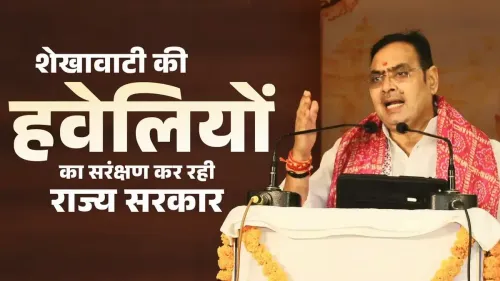
The Chief Minister's Office of Rajasthan has flagged active efforts to bring the frescoed Shekhawati havelis — 18th-19th century Marwari merchant mansions — onto the global tourism map, tagging CM Bhajanlal Sharma under the 'Aapno Agrani Rajasthan' brand.
Key Takeaways
Rajasthan CMO announced on 14 November 2026 that work is underway to place Shekhawati havelis on the global tourism circuit.
The post was tagged to CM Bhajanlal Sharma and carries the official campaign hashtag #आपणो_अग्रणी_राजस्थान .
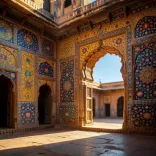
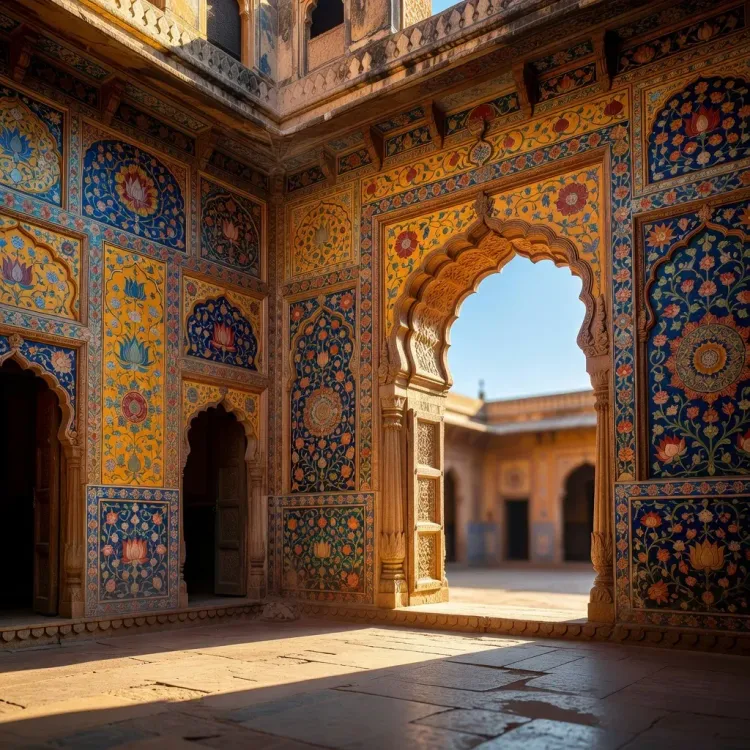
Shekhawati havelis are 18th-19th century painted mansions built by Marwari merchants in towns such as Nawalgarh, Mandawa, and Fatehpur .
The region has historically been overshadowed by marquee Rajasthan destinations like Jaipur and Udaipur .
Tangible outcomes — budget allocations, restoration contracts, international marketing campaigns — are still awaited.
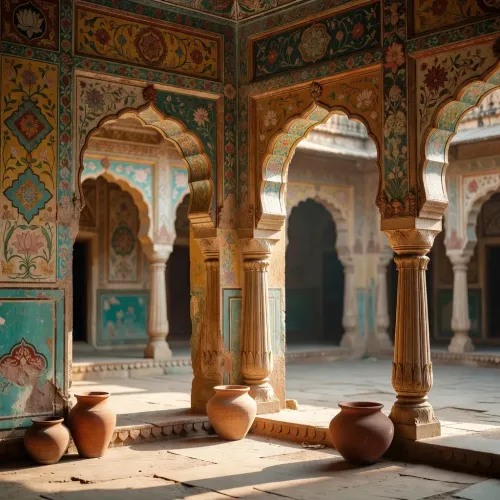
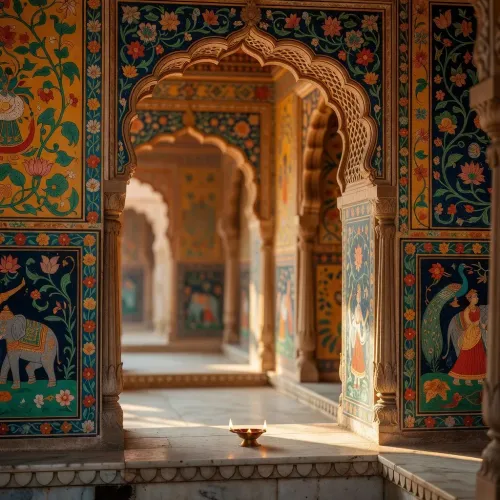
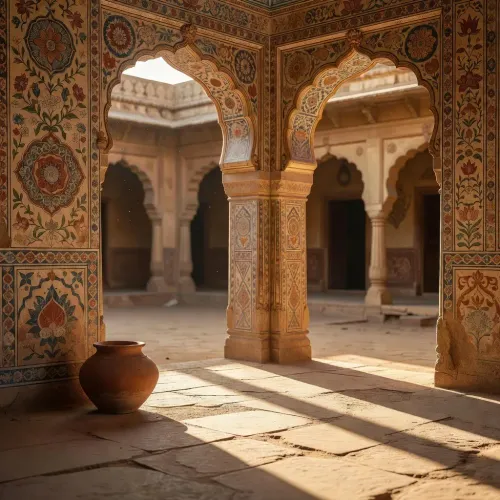
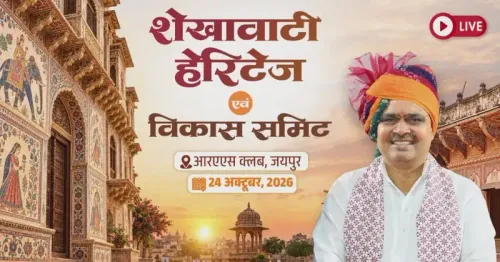
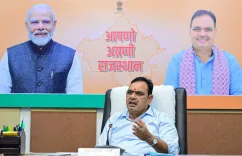
They are painted floor-to-ceiling with mythological murals, merchant sagas, and folk motifs — but most of the world has never heard of them. The Chief Minister's Office of Rajasthan posted on Saturday, 14 November 2026, signalling active efforts to place the celebrated Shekhawati havelis onto the global tourism circuit.
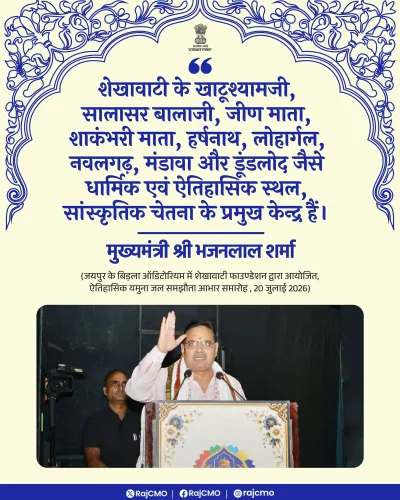
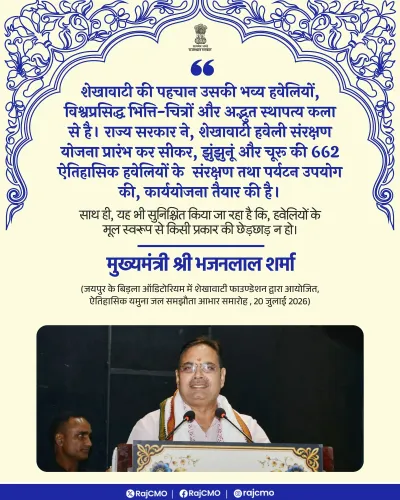
The post, tagged to Chief Minister Bhajanlal Sharma and carrying the hashtag #आपणो_अग्रणी_राजस्थान ('Our Pioneering Rajasthan'), described the havelis as 'the identity of Rajasthan's historical heritage, rich art-culture, and architecture' and stated that work is underway to bring them to the world's attention.
Shekhawati's frescoed mansions — a heritage unlike any other
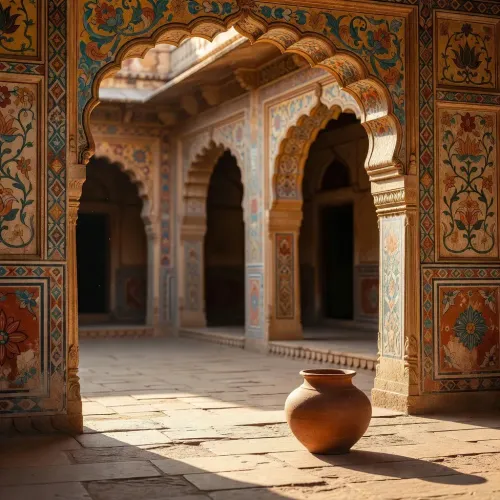
Spread across the arid towns of Nawalgarh, Fatehpur, Mandawa, and Jhunjhunu in northern Rajasthan, the Shekhawati havelis date to the 18th and 19th centuries. Built by wealthy Marwari merchant families, they are layered with intricate frescoes depicting everything from mythological scenes to portraits of early railways and automobiles — a living visual record of a trading culture at its zenith.
Scholars and conservationists have long called the region an open-air museum. Yet it has remained a niche stop on the Rajasthan tourist trail, overshadowed by the magnetic pull of Jaipur, Udaipur, and Jodhpur. That gap between cultural significance and visitor footfall is precisely what the state government says it now wants to close.
Diversifying beyond the golden triangle
Rajasthan's tourism economy has historically clustered around a handful of marquee destinations. Successive state governments — across party lines — have made efforts to extend the visitor circuit into lesser-known pockets of the state. CM Bhajanlal Sharma, who took office in December 2023, has positioned cultural heritage promotion as a pillar of the administration's development agenda under the 'Aapno Agrani Rajasthan' brand.
Bringing the Shekhawati cluster into an internationally marketed heritage circuit could unlock tourism revenue for communities in Jhunjhunu and Sikar districts, while also creating an economic case for the restoration of havelis that face gradual decay. How the state's tourism department and budget allocations translate this stated intent into measurable action will be the real test.
Point of View
Heritage branding also serves a political purpose — reinforcing a Rajasthani identity narrative that resonates with the BJP's cultural-pride messaging. The real policy signal to watch is whether this translates into dedicated budget lines in the next state tourism plan or remains aspirational social-media positioning.
NationPress
14 Nov 2026
Frequently Asked Questions
What are the Shekhawati havelis?
Shekhawati havelis are ornate 18th-19th century mansions built by wealthy Marwari merchant families across towns like Nawalgarh, Mandawa, Fatehpur, and Jhunjhunu in Rajasthan. They are famous for their elaborate frescoes depicting mythology, folk tales, and scenes from daily life — earning the region its reputation as an open-air museum.
Why is the Rajasthan government promoting Shekhawati tourism?
The state wants to diversify Rajasthan's tourism beyond crowded hubs like Jaipur and Udaipur , bring international visitors to the Shekhawati region, and create an economic incentive for preserving havelis that face gradual decay.
Who is Bhajanlal Sharma?
Bhajanlal Sharma is the Chief Minister of Rajasthan from the BJP , who assumed office in December 2023 . His administration has promoted Rajasthan's cultural heritage under the brand Aapno Agrani Rajasthan ('Our Pioneering Rajasthan').
Where exactly is the Shekhawati region?
Shekhawati is a semi-arid region in northern Rajasthan , primarily covering the districts of Jhunjhunu, Sikar, and Churu . Its principal haveli towns include Nawalgarh, Mandawa, Fatehpur, and Jhunjhunu itself.
What specific projects are planned for Shekhawati heritage?
The Rajasthan CMO's post states that work is underway to place the havelis on the global tourism map, but specific project details — such as restoration contracts or international marketing campaigns — have not yet been officially announced.