Rajasthan tops VB-G RAM (Rural) Mission: 72.69% women's participation in FY2026-27
Synopsis
Rajasthan has outpaced the national average on nearly every metric of the Viksit Bharat – Guarantee for Employment and Livelihood (Rural) Mission in FY2026-27 — from women's participation at 72.69% to payment processing speed at 97.04% within 15 days. With 42,557 rural assets created and 100% eFMS compliance, the state is making a strong case as the benchmark for rural scheme delivery in India.
Key Takeaways
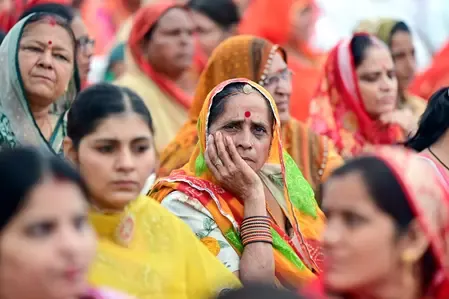
Rajasthan recorded 72.69% women's participation in the VB-G RAM (Rural) Mission in FY2026-27 , beating the national average of 62.25% by 10.44 percentage points .
18.86 lakh families and 21.66 lakh individuals have received employment under the mission in the state.
Average employment per family stands at 24.29 days , compared to the national average of 20.02 days .
Scheduled Castes ( 20.43% ) and Scheduled Tribes ( 23.34% ) together account for approximately 44% of total participation.
Payments for 97.04% of beneficiaries were processed within 15 days , against a national average of 82.46% .
100% of scheme expenditure has been routed through eFMS , and 42,557 rural assets have been created under the mission.
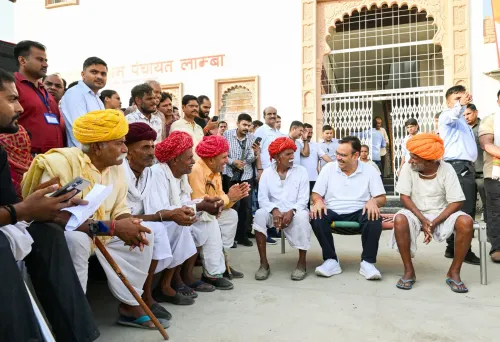
Rajasthan has emerged as a top-performing state in the implementation of the Viksit Bharat – Guarantee for Employment and Livelihood (Rural) Mission, recording 72.69% women's participation in total person-days of employment generated during financial year 2026–27 — surpassing the national average of 62.25% by 10.44 percentage points. So far, 18.86 lakh families and 21.66 lakh individuals have received employment under the scheme in the state.
Employment Generation and Family Coverage
The average employment provided per family in Rajasthan stands at 24.29 days, compared with the national average of 20.02 days — an advantage of 4.27 days per family. The state's enhanced statutory employment guarantee, raised from 100 days to 125 days annually, has further bolstered livelihood security for rural households. These figures place Rajasthan well ahead of most states in terms of both coverage and depth of employment provisioning.
Inclusive Development: SC and ST Participation
The mission has recorded strong participation from marginalised communities. Scheduled Castes account for 20.43% of total participation, while Scheduled Tribes account for 23.34%, bringing their combined share to approximately 44%. This reflects the state's stated commitment to inclusive development aligned with the principle of Antyodaya — ensuring development benefits reach the most vulnerable sections of society.
Rural Asset Creation and Water Conservation
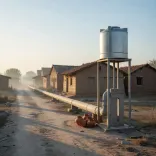
Rajasthan has created 42,557 assets under the mission, contributing to rural infrastructure and livelihood enhancement. Agriculture and allied activities account for 35.88% of total expenditure, while 73.17% of expenditure in designated Mission Water Conservation blocks is directed towards related development initiatives. These efforts aim to strengthen water conservation, support agricultural livelihoods, and upgrade essential rural infrastructure across the state.
Transparency in Payment Processing
Rajasthan has also distinguished itself in payment efficiency. Payments for 97.04% of beneficiaries were processed within 15 days, against a national average of 82.46% — placing the state 14.58 percentage points ahead. Additionally, 100% of the state's scheme expenditure has been routed through the Electronic Fund Management System (eFMS), compared with 99.97% nationally, signalling a strong emphasis on financial accountability and transparency.
What the Government Said
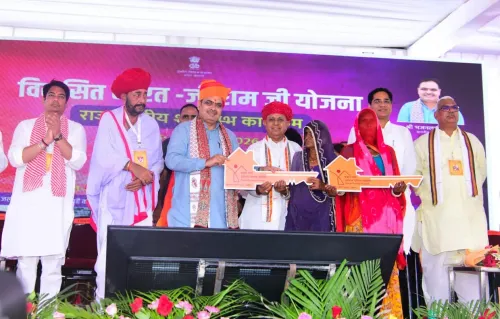
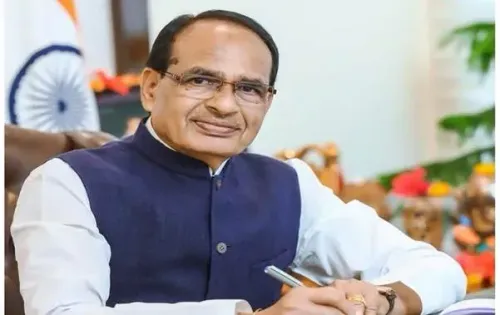
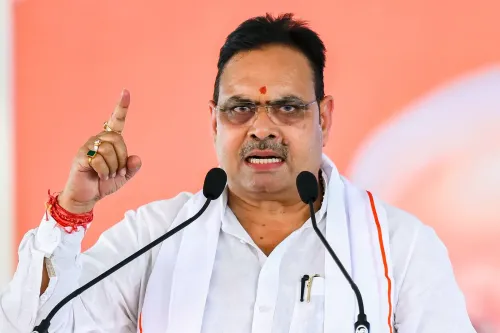
Chief Minister Bhajanlal Sharma stated that Prime Minister Narendra Modi's vision is rooted in the belief that India can become a developed nation only when its villages prosper. He said the prosperity of farmers, dignity of labourers, and self-reliance of rural communities are essential to achieving the goal of Viksit Bharat. Sharma emphasised that the mission extends beyond employment generation to encompass water conservation, infrastructure development, and sustainable rural progress. With Rajasthan's performance now drawing national attention, the state is expected to serve as a model for implementation under the mission in other states going forward.
Point of View
But the numbers deserve scrutiny beyond the headline. A 72.69% women's participation rate and near-perfect eFMS compliance suggest strong administrative delivery — yet the average employment of just 24.29 days per family, even above the national average, underlines how far rural India still is from year-round livelihood security. The extension of the statutory guarantee from 100 to 125 days is a meaningful policy shift, but only if demand actually meets the enhanced supply. The deeper question is whether asset creation — 42,557 units spread across a large state — is translating into durable economic uplift or merely checking a scheme metric.
NationPress
29 Oct 2026
Frequently Asked Questions
What is the VB-G RAM (Rural) Mission?
The Viksit Bharat – Guarantee for Employment and Livelihood (Rural) Mission is a central government rural employment and livelihood scheme aimed at generating person-days of work, creating rural assets, and promoting water conservation. It has enhanced the statutory annual employment guarantee from 100 days to 125 days per family.
How has Rajasthan performed in women's participation under the mission?
Rajasthan recorded 72.69% women's participation in total person-days of employment generated in FY2026-27, surpassing the national average of 62.25% by 10.44 percentage points. This is one of the highest women's participation rates among states under the mission.
How many families and individuals have benefited from the mission in Rajasthan?
As of the latest data, 18.86 lakh families and 21.66 lakh individuals have received employment under the mission in Rajasthan. The average employment per family stands at 24.29 days, compared to the national average of 20.02 days.
What is the significance of 100% eFMS compliance in Rajasthan?
Rajasthan has routed 100% of its scheme expenditure through the Electronic Fund Management System (eFMS), compared to 99.97% nationally. This ensures near-complete digital tracking of fund flows, reducing leakage and strengthening financial accountability.
What share of the mission's benefits is reaching Scheduled Castes and Scheduled Tribes in Rajasthan?
Scheduled Castes account for 20.43% of participation and Scheduled Tribes account for 23.34%, with their combined share standing at approximately 44%. This reflects the mission's stated focus on inclusive development and reaching the most marginalised communities.