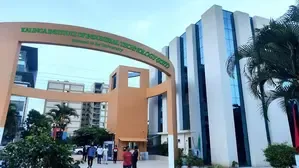
RTU student Akshit Sharma's death sparks campus protest in Jaipur
Synopsis
A 19-year-old IT student was found dead in his hostel room at Rajasthan Technical University on Thursday morning, triggering a campus-wide protest. Students are alleging snakebite and administrative negligence; the university suspects cardiac arrest. With the post-mortem still pending, the dispute over what happened — and who is responsible — is only just beginning.
Key Takeaways
Akshit Sharma , 19, a first-year IT student at Rajasthan Technical University (RTU) , was found unresponsive in his hostel room on the morning of 8 October 2026 and later declared dead.
Students allege a possible snakebite and blame the administration for poor campus cleanliness, inadequate lighting, and delayed medical response.
RTU Vice-Chancellor Nimit Ranjan Chaudhary says cardiac arrest is currently suspected; a snakebite appears unlikely given the room is on the first floor .
Protesters have locked the university's main gate and are demanding the removal of Chief Warden D.K.
Yadav , compensation for the family, and improved hostel infrastructure.
Akshit's body is at New Medical College Hospital mortuary; the post-mortem report will determine the actual cause of death.
Students at Rajasthan Technical University (RTU) in Kota erupted in protest on Thursday, 8 October 2026, following the death of Akshit Sharma, a 19-year-old first-year IT student from Jhotwara, Jaipur. The cause of death remains unconfirmed pending a post-mortem examination, with students alleging a possible snakebite while the university administration suspects cardiac arrest.
How the Incident Unfolded
Akshit was a resident of Room No. 61, Bhaskar Bhawan H-4 hostel at RTU, sharing the room with two other students. On Wednesday, he participated in campus activities including a blood donation camp and cultural programmes before returning to his room at around 1 a.m., having a meal, and going to sleep.
On Thursday morning, a roommate found Akshit unresponsive. Fellow students noted that his skin had reportedly become discoloured. A university doctor was informed and Akshit was subsequently taken to hospital, where he was declared dead. His body has been kept in the mortuary at New Medical College Hospital for a post-mortem examination.
According to a preliminary assessment by a dispensary doctor, Akshit may have died in his sleep sometime between 4 a.m. and 6 a.m. on Thursday. The body had reportedly stiffened by the time authorities reached him, and no visible signs of external injury were found.
Snakebite Claim vs University's Position
Protesting students allege that snakes are frequently sighted on the RTU campus and inside hostel premises, and that Akshit's death may have resulted from a snakebite. They have blamed the university administration for allegedly failing to maintain adequate cleanliness, lighting, and medical facilities in the hostel.
RTU Vice-Chancellor Nimit Ranjan Chaudhary pushed back on the snakebite theory, pointing out that Akshit's room is located on the first floor, making a snakebite appear unlikely at this stage. He said the administration was informed and immediately dispatched a university doctor to the hostel, adding that cardiac arrest is currently suspected — though he stressed the definitive cause of death would only be established after the post-mortem.
Allegations Against the Administration
Students have levelled specific allegations against Chief Warden D.K. Yadav, claiming there was a delay in his arrival at the hostel and that the ambulance took too long to reach the campus. One student alleged no immediate arrangements were made despite Akshit's deteriorating condition.
Yadav rejected the allegations, saying he received information about the incident at 9.56 a.m. and, approximately five minutes later, instructed two wardens to arrange an ambulance. When the ambulance was delayed, he said he arranged an auto-rickshaw and went to the hostel himself. Prof. Ranjan Maheshwari of the RTU Electronics Department confirmed that Akshit had been examined by the dispensary doctor.
Student Demands and Ongoing Protest
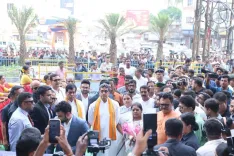
Demonstrators locked the university's main gate and staged a sit-in, raising slogans against the administration. Their demands include the removal of Chief Warden D.K. Yadav, financial compensation for Akshit's family, and immediate improvements to hostel infrastructure and safety measures. Students also questioned how hostel conditions remain poor despite the university collecting development fees.
Police reached the campus and attempted to pacify the protesters, who have vowed to continue their agitation until concrete action is taken on their demands.
What Comes Next
The post-mortem report from New Medical College Hospital is expected to be the decisive document in determining the cause of Akshit's death. Until then, both the snakebite claim and the cardiac arrest suspicion remain unverified, and the university administration and protesting students remain at an impasse. The outcome of the post-mortem is likely to shape the university's next steps and could have implications for campus safety policy at RTU.
Point of View
The students' broader grievances about hostel upkeep and fee utilisation deserve scrutiny independent of the death itself. RTU collecting development fees while allegedly maintaining substandard hostel conditions is an accountability question that should not disappear once the protest subsides.
NationPress
9 Oct 2026
Frequently Asked Questions
What happened to Akshit Sharma at RTU?
Akshit Sharma, a 19-year-old first-year IT student at Rajasthan Technical University, was found unresponsive in his hostel room on the morning of 8 October 2026 and was declared dead at hospital. The exact cause of death is yet to be established and will be determined by a post-mortem examination at New Medical College Hospital.
Why are RTU students protesting?
Students are protesting against alleged administrative negligence, claiming the university failed to maintain adequate cleanliness, lighting, and medical facilities in the hostel. They are also alleging delays in the emergency response to Akshit's condition, and are demanding the removal of Chief Warden D.K. Yadav, compensation for the deceased student's family, and improved hostel infrastructure.
Did Akshit Sharma die of a snakebite?
This has not been confirmed. Fellow students suspect a snakebite, citing frequent snake sightings on campus. RTU Vice-Chancellor Nimit Ranjan Chaudhary has said the snakebite possibility appears low because Akshit's room was on the first floor, and that cardiac arrest is currently suspected. The post-mortem examination is expected to provide a definitive answer.
What did RTU's Chief Warden say about the delayed response?
Chief Warden D.K. Yadav rejected allegations of negligence, saying he received information about the incident at 9.56 a.m. and instructed two wardens to arrange an ambulance within five minutes. When the ambulance was delayed, he arranged an auto-rickshaw and went to the hostel himself.
When will the cause of Akshit Sharma's death be known?
The post-mortem examination at New Medical College Hospital in Jaipur is expected to establish the precise cause and circumstances of Akshit Sharma's death. Neither the snakebite theory nor the cardiac arrest suspicion can be confirmed until the post-mortem report is released.