Rajnath Singh: India arming forces with homegrown warships, jets, missiles
Synopsis
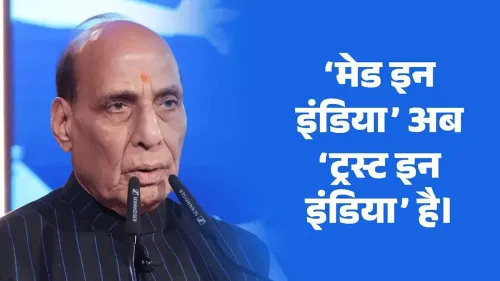
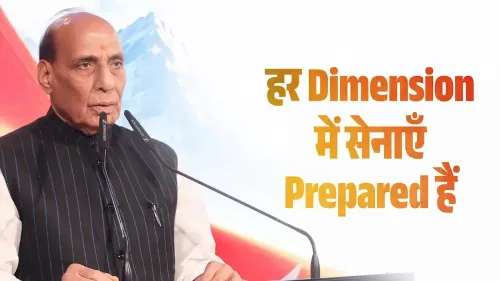
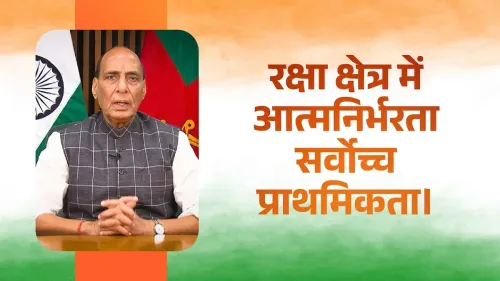
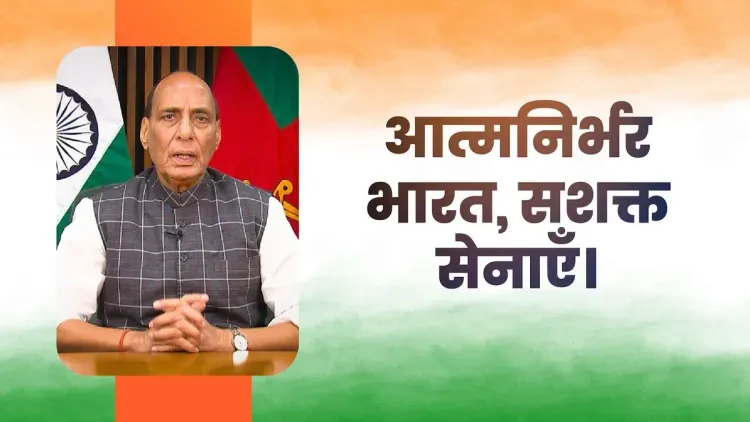
Union Defence Minister Rajnath Singh, on the eve of Independence Day 2026, declared that India is continuously empowering its armed forces with indigenous warships, fighter aircraft, advanced missile systems and hypersonic technologies — underscoring a decade-long push for strategic self-reliance in defence manufacturing.
Key Takeaways
Defence Minister Rajnath Singh posted on 14 August 2026 , the eve of Independence Day, highlighting India's indigenisation drive.
He cited indigenous warships, fighter aircraft, missile systems and hypersonic technologies as pillars of the armed forces build-up.
The Make in India initiative (2014) and Atmanirbhar Bharat Abhiyan (2020) form the policy backbone of this push.
The First Positive Indigenisation List (2021) banned imports of select defence items, mandating domestic sourcing.
HAL's Tejas and DRDO's missile and hypersonic programmes are key platforms underpinning these claims.
Singh's mention of hypersonic technologies places India among a small group of nations competing at the frontier of next-generation weapons.
On the eve of Independence Day 2026, Union Defence Minister Rajnath Singh sent a pointed signal about the direction of India's military build-up — not imported, but made at home. In a post on X (formerly Twitter) on Friday, 14 August 2026, Singh declared that India is continuously strengthening its armed forces with indigenous warships, fighter aircraft, cutting-edge missile systems, and hypersonic technologies.
Singh's post, in Hindi, stated: 'स्वदेशी युद्धपोतों, लड़ाकू विमानों, अत्याधुनिक मिसाइल प्रणालियों और हाइपरसोनिक तकनीकों से भारत अपनी सेनाओं को निरंतर सशक्त कर रहा है' — 'With indigenous warships, fighter aircraft, state-of-the-art missile systems and hypersonic technologies, India is continuously empowering its armed forces.'
From import dependence to home-built firepower
The statement lands against a decade-long policy arc. The Make in India initiative, launched in 2014, set the first foundation for domestic defence manufacturing. That was deepened in May 2020 when the Atmanirbhar Bharat Abhiyan placed defence indigenisation at the centre of national economic strategy. A year later, the government notified the First Positive Indigenisation List — a hard ban on importing select defence items, forcing the armed forces to source them domestically.
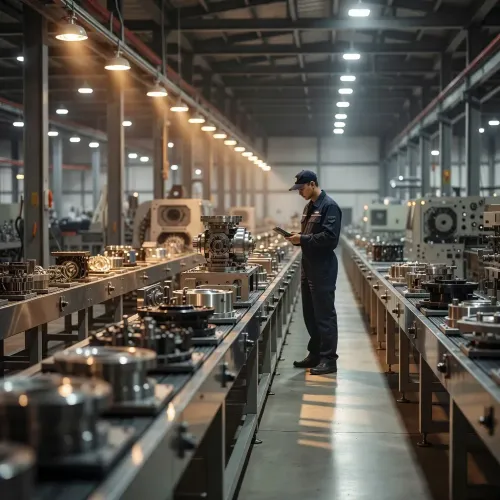
The platforms Singh references are not hypothetical. Hindustan Aeronautics Limited (HAL) produces the Tejas light combat aircraft, India's flagship indigenous fighter programme. The country has also launched its own aircraft carrier, built domestically, and the Defence Research and Development Organisation (DRDO) leads an expanding portfolio of missile and hypersonic technology development. Each of these represents a direct reduction in the foreign-exchange cost — and strategic vulnerability — of import dependency.
Hypersonic ambitions and what comes next
The specific mention of hypersonic technologies is notable. Hypersonic weapons — those travelling at Mach 5 or above — represent the current frontier of global military competition, with only a handful of nations having demonstrated credible programmes. Singh's inclusion of hypersonics alongside warships and missiles signals that India positions itself in that select group, at least aspirationally.
Defence budget cycles, the rollout of further indigenisation lists, and technology demonstrations at platforms like DefExpo will be the real measure of how fast these ambitions translate into fielded capability. But the political message on the eve of Independence Day is unmistakable: India's military future, the Defence Minister says, will be built in India.
Point of View
Signalling that India wants to be counted among the top-tier military-technology powers. For the BJP government, this narrative also serves a domestic political purpose: defence self-reliance has been a flagship identity marker since 2014, and reaffirming it on the cusp of Independence Day anchors the party's governance record to national security pride. The real test, as always, will be the pace at which these platforms reach operational squadrons and fleets.
NationPress
29 Sept 2026
Frequently Asked Questions
What did Rajnath Singh say about India's defence on 14 August 2026?
Defence Minister Rajnath Singh stated that India is continuously empowering its armed forces with indigenous warships, fighter aircraft, advanced missile systems and hypersonic technologies.
What is India's Atmanirbhar Bharat in defence?
Atmanirbhar Bharat Abhiyan, announced in May 2020, is India's self-reliance initiative that placed defence indigenisation at its core, aiming to reduce dependence on foreign arms imports and build domestic manufacturing capacity.
What is India's Positive Indigenisation List?
The First Positive Indigenisation List, notified in 2021, bans the import of select defence items and requires the Indian armed forces to source those platforms and components domestically.
Does India have hypersonic weapons?
India, through DRDO, has active hypersonic technology development programmes. Rajnath Singh's statement references hypersonic technologies as part of the ongoing effort to equip the armed forces with next-generation capabilities.
What indigenous fighter aircraft does India produce?
Hindustan Aeronautics Limited produces the Tejas light combat aircraft, India's flagship indigenous fighter jet developed under the Make in India and Atmanirbhar Bharat frameworks.