Rajnath Singh: No double standards on terrorism, dismantle full ecosystem
Synopsis
Union Defence Minister Rajnath Singh declared on 20 October 2026 that terrorism threatens not only lives but also investment, commerce and youth futures — demanding no double standards and collective global action to dismantle the full terror ecosystem.
Key Takeaways
Rajnath Singh posted on 20 October 2026 calling terrorism a threat to peace, development, investment, commerce and youth futures.
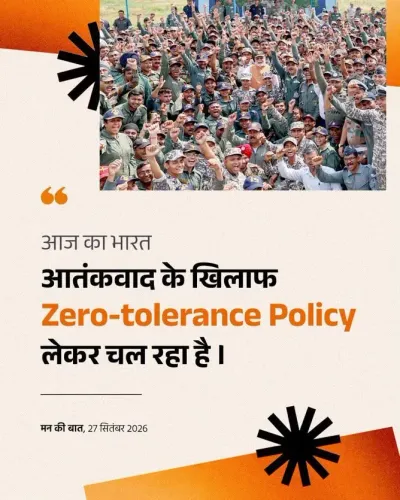
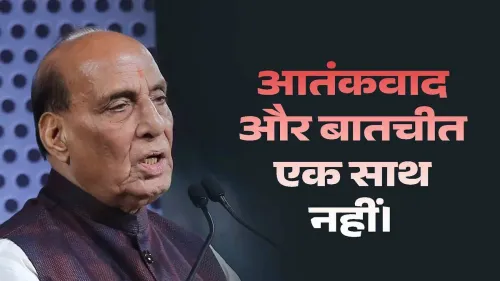
He stated there can be 'no double standards, no justification' for terrorism — a phrase with explicit diplomatic targeting in India's multilateral playbook.
Singh demanded collective elimination of terrorism's 'entire ecosystem,' including financing and ideological infrastructure.
India has held a formal zero-tolerance, no-double-standards position since the 2008 Mumbai attacks , pushing for a Comprehensive Convention on International Terrorism at the UN .
Singh previously served as Union Home Minister (2014–2019) , overseeing counter-terror legislation, before moving to the Defence Ministry.
The statement is consistent with positions India advances at SCO , G20 , and UN Security Council forums.
Terrorism is not just a security threat — it is an economic one, a generational one, and Union Defence Minister Rajnath Singh made that case with unambiguous force on Tuesday, 20 October 2026, demanding collective global action to dismantle every layer of the terror network.
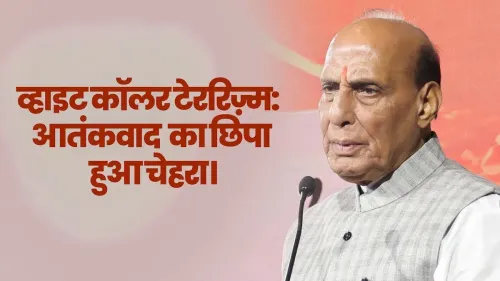
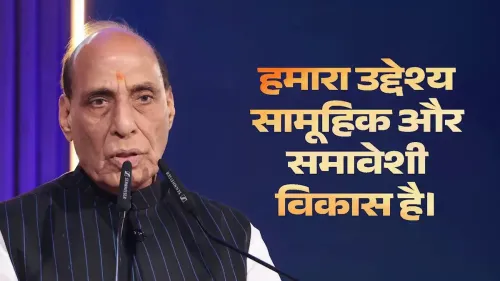
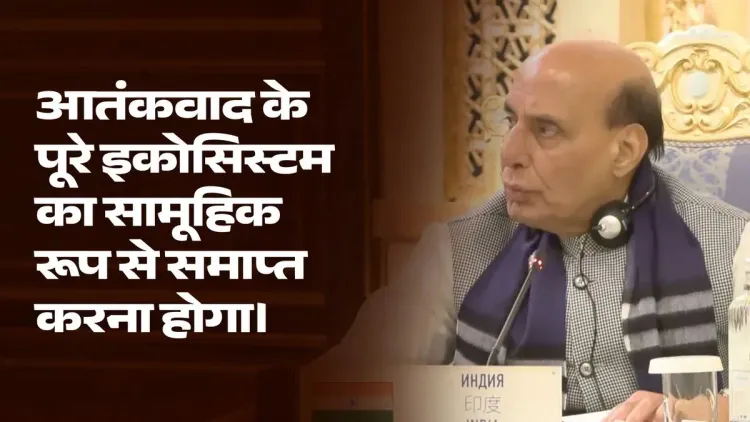
Posting in a mix of Hindi and English, Singh wrote: 'Terrorism is a serious threat to peace and development. It not only takes the lives of innocent people but also affects investment, commerce and the future of youth. Against terrorism, there can be no double standards, no justification. Its entire ecosystem must be collectively eliminated.'
Beyond the bomb: terrorism's economic toll
The framing is deliberate and well-worn in Indian strategic communication — but no less pointed for it. By linking terrorism directly to investment, commerce and youth futures, Singh places the argument in economic language that resonates beyond defence ministries. The message: every attack is also a development setback, every financing network a drag on growth.
India has held this position formally since the aftermath of the 2008 Mumbai attacks, pushing at the United Nations and regional forums for a Comprehensive Convention on International Terrorism that would close the definitional loopholes states have historically exploited to shelter groups deemed 'strategic assets.'
The 'double standards' line and who it targets
The phrase 'no double standards' (koi dohra mapdand nahi) carries explicit diplomatic weight in the Indian foreign-policy lexicon. It is aimed at any state or multilateral body that distinguishes between 'acceptable' and 'unacceptable' militant groups based on geopolitical convenience. India has repeatedly invoked this principle at the Shanghai Cooperation Organisation, the G20, and UN Security Council debates when pushing back against blocking of designation requests.
Singh's insistence that the 'entire ecosystem' — financing channels, ideological infrastructure, safe havens, and state patronage — must be 'collectively' dismantled echoes language India has inserted into multilateral communiqués for over a decade.
Rajnath Singh's long record on counter-terror policy
As Union Home Minister from 2014 to 2019, Singh oversaw significant legislative and operational moves against terror financing and cross-border infiltration, including amendments to the Unlawful Activities (Prevention) Act. His transition to the Defence Ministry deepened his stake in the strategic dimension of the problem — from border management to military responses. The consistency of his messaging across both portfolios underscores that this is settled doctrine, not improvised rhetoric.
With multilateral forums — including potential SCO and UN General Assembly side-meetings — on the calendar, Singh's post reads as both a domestic signal and an advance marker for India's position in those rooms.
The arithmetic of counter-terrorism, India's position insists, is simple: half-measures and selective outrage compound the problem. The ecosystem survives only as long as parts of the world look away.
Point of View
In theory, share India's urgency. The 'double standards' formulation is not rhetorical; it is a standing indictment of geopolitical selectivity that India deploys at every multilateral table where designation or convention talks stall. By invoking investment, commerce and youth in a single breath alongside security, he is also speaking to domestic audiences in an economic register ahead of budget and policy cycles. The timing, absent a verified trigger event, suggests either a forthcoming multilateral engagement where India wants its position on record, or a response to a global incident whose details remain unconfirmed — either way, the statement advances a long-held, internally consistent doctrine.
NationPress
20 Oct 2026
Frequently Asked Questions
What did Rajnath Singh say about terrorism on 20 October 2026?
Rajnath Singh stated that terrorism is a serious threat to peace, development, investment, commerce and the future of youth. He said there can be no double standards or justification for terrorism, and that its entire ecosystem must be collectively eliminated.
What does 'no double standards on terrorism' mean in India's foreign policy?
The phrase targets states or multilateral bodies that distinguish between 'acceptable' and 'unacceptable' militant groups for geopolitical reasons. India uses it at the UN, SCO and G20 to push for universal application of counter-terrorism norms without selective exceptions.
What is the terrorism ecosystem India wants to dismantle?
India's stated position includes dismantling financing channels, ideological networks, safe havens and state patronage that sustain terrorist organisations — not just targeting individual attackers after the fact.
What has Rajnath Singh done on counter-terrorism previously?
As Union Home Minister from 2014 to 2019, Singh oversaw amendments to the Unlawful Activities (Prevention) Act and operational measures against cross-border infiltration and terror financing before moving to the Defence Ministry.
Why does India link terrorism to investment and economic development?
India frames terrorism as an economic threat — disrupting investor confidence, commerce and youth employment prospects — to build a broader international coalition for collective action beyond purely security-focused arguments.