Rajnath Singh: Op Sindoor proved indigenous arms are vital
Synopsis
Union Defence Minister Rajnath Singh declared on June 19, 2026, that Operation Sindoor demonstrated how indigenous defence equipment was as decisive as soldiers' bravery in modern warfare, reinforcing India's Atmanirbhar Bharat defence manufacturing push.
Key Takeaways
Rajnath Singh credited indigenous defence equipment with significantly contributing to the success of Operation Sindoor .
He stated that in modern warfare, soldiers' courage and equipment quality are equally important .
The remarks align with the Atmanirbhar Bharat Abhiyan launched in 2020 to reduce India's dependence on foreign arms imports.
The Ministry of Defence has released successive Positive Indigenisation Lists since 2021 , banning imports of specified defence systems.
The next Defence Procurement Procedure revision and new indigenisation lists are expected in the forthcoming budget cycle .
The statement is likely to boost domestic defence manufacturers — both PSUs and private firms — seeking long-term government contracts.
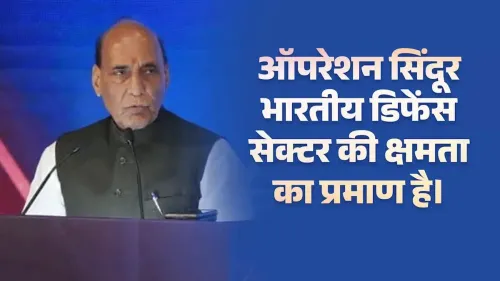
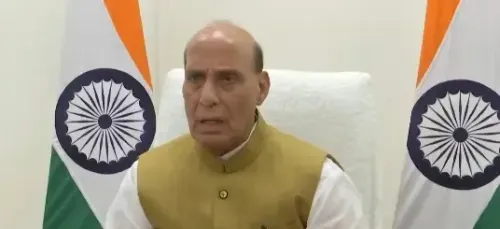
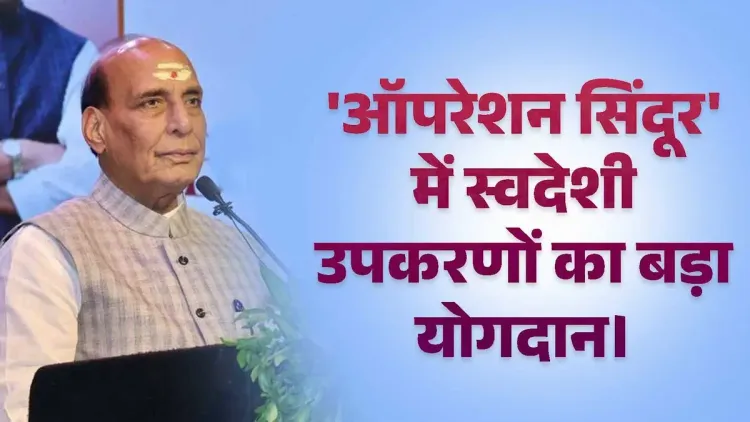
Union Defence Minister Rajnath Singh on Friday, June 19, 2026, credited indigenous defence equipment with playing a decisive role in the success of Operation Sindoor, stating that modern warfare demands equal attention to soldiers' courage and the quality of their arms.
Posting on X, Singh wrote: 'Operation Sindoor' ne yah siddh kiya ki aadhunik yudhon mein sainikon ka sahas aur upakaranon ki gunavatta, donon saman roop se mahatvapurn hain. ('Operation Sindoor has proved that in modern warfare, the courage of soldiers and the quality of equipment are equally important. Indigenous defence equipment made a significant contribution to the success of our armed forces.')
Context
The statement comes as India's defence establishment has been under scrutiny over the operational performance of domestically developed weapons platforms. Singh used the post to draw a direct line between battlefield outcomes and the government's long-running push for self-reliance in defence manufacturing.
The Minister's remarks signal that Operation Sindoor is being positioned, at the policy level, as a validation of the indigenous defence production agenda — a significant claim that is likely to shape procurement debates in the months ahead.
Policy Backdrop
The roots of this assertion lie in the Atmanirbhar Bharat Abhiyan, launched in 2020, which set ambitious targets for domestic defence production and reduced reliance on foreign suppliers. Under the initiative, the Ministry of Defence has released successive Positive Indigenisation Lists since 2021, effectively banning the import of specified weapons, platforms, and systems to compel domestic sourcing.
Successive procurement policy revisions have also steadily raised the mandatory indigenous content requirement in defence capital acquisitions, pushing the domestic industrial base — from Defence Public Sector Undertakings to private-sector manufacturers — to scale up production capacity. The broader strategic logic has been to insulate India from supply-chain vulnerabilities that come with dependence on foreign arms suppliers.
Stakeholders and Impact
India's Army, Navy, and Air Force are the primary operational beneficiaries of the indigenisation drive, having progressively inducted domestically developed platforms across segments ranging from light combat aircraft to missiles and naval vessels. A battlefield endorsement from the Defence Minister carries significant weight for domestic manufacturers seeking long-term procurement contracts.
Private-sector defence firms and Defence PSUs stand to gain policy momentum from such a public affirmation. For the armed forces, the acknowledgement also reinforces the argument for sustained investment in maintenance ecosystems and indigenous spare-parts supply chains — areas historically hampered by foreign-OEM dependencies.
What's Next
The defence ministry is expected to bring forward the next revision of the Defence Procurement Procedure, along with potentially expanded Positive Indigenisation Lists, in the forthcoming budget cycle. Singh's framing of Operation Sindoor as proof of indigenous capability is likely to lend political and bureaucratic momentum to those revisions.
If the government formally documents the operational performance of specific indigenous systems used in Operation Sindoor, it could provide the most concrete public evidence yet for the Atmanirbhar Bharat defence thesis — and accelerate export conversations for platforms that demonstrated battlefield effectiveness.
Point of View
He elevates the industrial policy argument to a matter of national pride, making it politically costly for critics to question the pace or quality of indigenisation. The timing, ahead of an expected Defence Procurement Procedure revision and budget cycle, suggests the government is building a public mandate for deeper and faster indigenisation mandates. This fits a consistent pattern under the current administration of linking security outcomes directly to economic self-reliance narratives.
NationPress
19 Sept 2026
Frequently Asked Questions
What did Rajnath Singh say about Operation Sindoor?
Rajnath Singh said Operation Sindoor proved that in modern warfare, soldiers' courage and the quality of equipment are equally important, and that indigenous defence equipment made a significant contribution to the success of the Indian armed forces.
What is Operation Sindoor?
Operation Sindoor is a military operation referenced by Defence Minister Rajnath Singh in June 2026 as a demonstration of the effectiveness of India's indigenously developed defence equipment.
What is Atmanirbhar Bharat in defence?
Atmanirbhar Bharat in defence is an initiative launched in 2020 to make India self-reliant in defence manufacturing by reducing imports and boosting domestic production through Positive Indigenisation Lists and higher indigenous content requirements in procurement.
What is India's Positive Indigenisation List?
India's Positive Indigenisation List, released by the Ministry of Defence since 2021, bans the import of specified weapons, platforms, and systems to compel the armed forces to source them from domestic manufacturers.
How does Operation Sindoor affect India's defence procurement policy?
Defence Minister Rajnath Singh's framing of Operation Sindoor as a validation of indigenous arms is expected to add political momentum to the next Defence Procurement Procedure revision and potentially expanded indigenisation lists in the forthcoming budget cycle.