Operation Sindoor proved India's defence readiness, says Rajnath Singh
Synopsis
Operation Sindoor wasn't just a military response — according to Defence Minister Rajnath Singh, it was a live proof-of-concept for India's decade-long defence transformation. With production at ₹1.78 lakh crore, exports at an all-time high of ₹38,000 crore, and indigenous systems like BrahMos and Akash deployed in combat, India's self-reliance push has moved from policy to battlefield validation.
Key Takeaways
Defence Minister Rajnath Singh on 18 July called Operation Sindoor proof of India's world-class defence preparedness.
Indigenous systems including Akash Teer , Akash missile system , and BrahMos were deployed during the operation.
Annual defence production reached a record ₹1.78 lakh crore in 2025-26 , up from ₹40,000 crore in 2014 .
Defence exports hit an all-time high of ₹38,000 crore , compared to ₹686 crore in FY 2013-14 .
Indigenisation lists now cover 509 items (Defence Forces) and 5,012 items (DPSUs); another list is forthcoming.
Defence industrial corridors in Uttar Pradesh and Tamil Nadu have attracted ₹70,000 crore in proposed investments, with ₹10,000 crore already deployed.
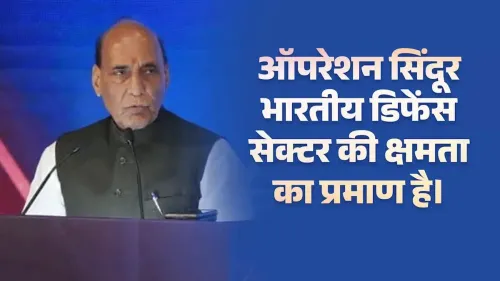
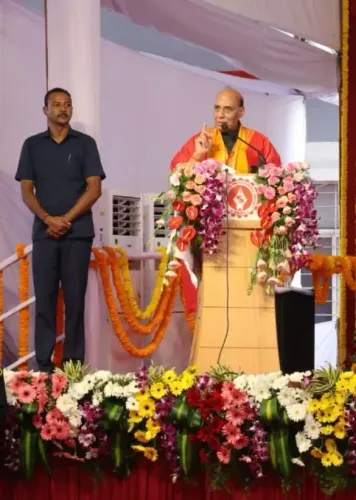
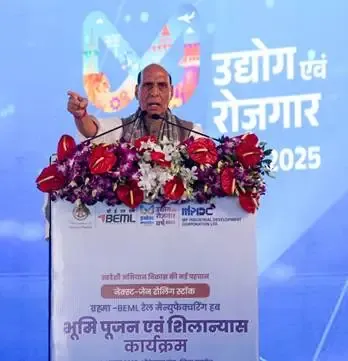
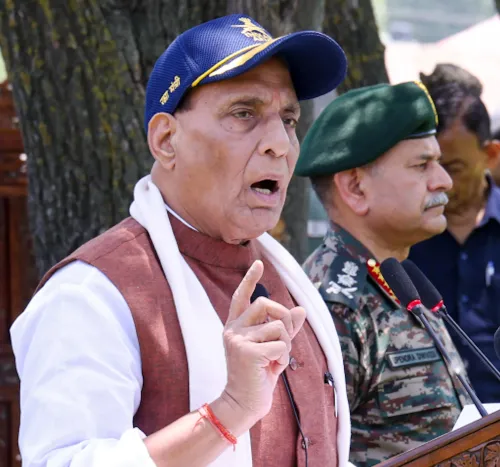
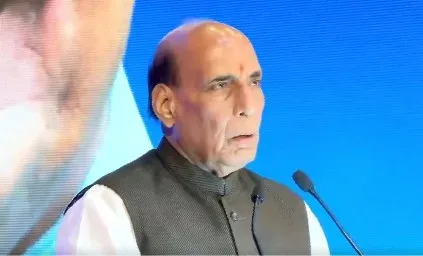
Defence Minister Rajnath Singh on Saturday, 18 July declared that Operation Sindoor stands as definitive proof of India's defence preparedness, crediting the transformation of the sector under the Prime Minister Narendra Modi-led government. Speaking at an official event in New Delhi, Singh described the operation as a reminder of the unmatched valour of the Indian Armed Forces and a demonstration of the government's 'zero tolerance' stance against terrorism.
Operation Sindoor: A Testament to Technological Warfare
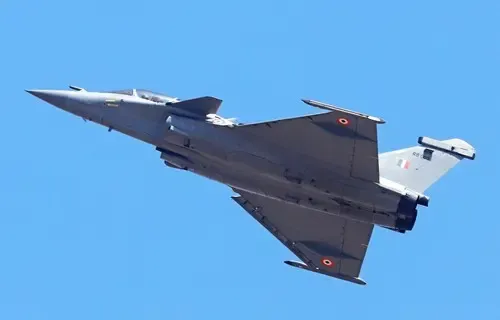
Singh called Operation Sindoor a 'shining example of technological warfare' and proof of the government's trust in Indian industries. He highlighted the deployment of advanced indigenous systems during the operation. 'Advanced systems such as Akash Teer, Akash missile system and BrahMos were effectively used during the operation alongside various other state-of-the-art equipment. This is due to the foundation laid over the past 12 years,' he said.
The Defence Minister further stressed that India's 'zero tolerance against terrorism' is not merely a rhetorical position but an operational doctrine — one that empowers Indian forces to strike against terrorism not only at India's borders but deep within adversarial territory.
Record Defence Production and Export Milestones
Singh outlined the measurable outcomes of the government's Aatmanirbharta (self-reliance) push in defence. Annual defence production reached a record high of approximately ₹1.78 lakh crore in 2025-26, up sharply from ₹40,000 crore around 2014. Defence exports have similarly surged to an all-time high of ₹38,000 crore, compared to just ₹686 crore in FY 2013-14.
Looking ahead, Singh set ambitious targets: 'Our defence production target is to surpass the figure of ₹2 lakh crore this year and ₹3 lakh crore by 2029. Our goal is to ensure that defence exports reach ₹50,000 crore by 2029,' he said, expressing confidence that the current pace of progress would deliver on those goals.
Indigenisation Lists and the Self-Reliance Drive
The Defence Minister detailed the structural steps underpinning India's self-reliance agenda. Five positive indigenisation lists have been issued by the Defence Forces, covering 509 items, with an additional five lists from Defence Public Sector Undertakings covering 5,012 items. Singh announced that another Positive Indigenisation List would soon be notified to accelerate the vision further.
He described Aatmanirbharta in defence as the most significant initiative of the Modi government, emphasising that achieving it requires a robust ecosystem for research, development, and innovation — led by start-ups, MSMEs, and young innovators, according to an official statement.
Defence Industrial Corridors: UP and Tamil Nadu
Singh highlighted the defence industrial corridors in Uttar Pradesh and Tamil Nadu as pathbreaking reforms. Investments worth approximately ₹70,000 crore have been proposed for the two corridors, with around ₹10,000 crore already invested. He noted that advanced defence manufacturing is under way within these corridors, with many companies integrating into global supply chains.
'The UP Defence Industrial Corridor, in particular, has emerged as a powerful example of the success of Atmanirbhar Bharat,' he said, adding that the corridors have created new employment opportunities for the youth. With another indigenisation list imminent and production targets set through 2029, India's defence self-reliance drive shows no signs of slowing.
Point of View
And the government has yet to release an independent after-action assessment of which systems performed as designed. The indigenisation lists are growing, yet India's dependence on imported platforms for critical capabilities remains a live question. The ₹3 lakh crore production target by 2029 is ambitious; whether the quality and strategic depth of that production matches the headline number will determine whether Aatmanirbharta in defence is a structural shift or a statistical one.
NationPress
17 Oct 2026
Frequently Asked Questions
What did Rajnath Singh say about Operation Sindoor?
Defence Minister Rajnath Singh said Operation Sindoor is a testimony to India's up-to-date defence preparedness and described it as a shining example of technological warfare. He credited the operation's success to the transformation of India's defence sector over the past 12 years under the Modi government.
Which Indian weapons were used in Operation Sindoor?
According to Rajnath Singh, advanced indigenous systems including the Akash Teer, the Akash missile system, and BrahMos were effectively deployed during Operation Sindoor, alongside various other state-of-the-art equipment.
What is India's current defence production figure?
India's annual defence production reached a record high of approximately ₹1.78 lakh crore in 2025-26, up from around ₹40,000 crore in 2014. The government has set a target of surpassing ₹2 lakh crore this year and ₹3 lakh crore by 2029.
How much have India's defence exports grown?
India's defence exports have risen to an all-time high of ₹38,000 crore, compared to just ₹686 crore in FY 2013-14. The government's target is to push exports to ₹50,000 crore by 2029.
What are India's defence industrial corridors?
India has established defence industrial corridors in Uttar Pradesh and Tamil Nadu to boost domestic manufacturing. Investments worth approximately ₹70,000 crore have been proposed for the two corridors, with around ₹10,000 crore already invested, generating employment and integrating Indian firms into global defence supply chains.