Rajnath Singh: iDEX Driving Defence Self-Reliance
Synopsis
Defence Minister Rajnath Singh on October 26, 2026 highlighted iDEX as the engine converting Indian startup innovation into indigenous defence technologies across naval systems, sensors and communications, reaffirming India's drive to cut import dependence under the Atmanirbhar Bharat framework.
Key Takeaways
Rajnath Singh credited iDEX with enabling Indian startups and innovators to develop indigenous defence technologies.
Progress in naval systems, sensors and communication systems was cited as evidence of iDEX's delivery. iDEX was launched by the Ministry of Defence in April 2018 to channel private-sector innovation into defence solutions.
The Positive Indigenisation Lists , introduced from 2021 onward , progressively ban imports of specified defence items, creating domestic demand.
The stated policy goal is to reduce import dependence and raise defence self-reliance under the Atmanirbhar Bharat programme announced in 2020 .
Startups and MSMEs are central to the indigenisation strategy, operating alongside larger public-sector defence undertakings.
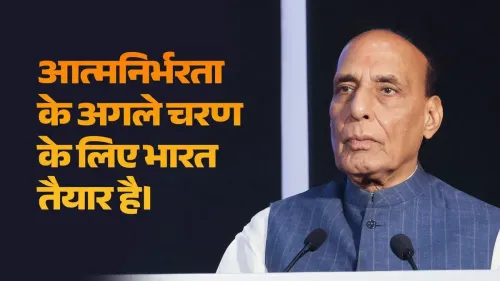
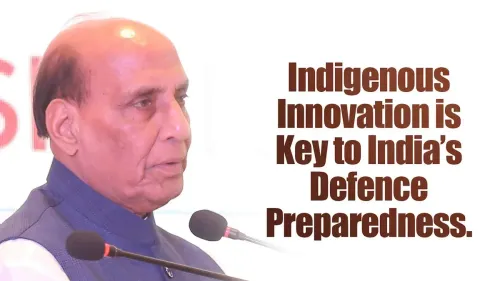
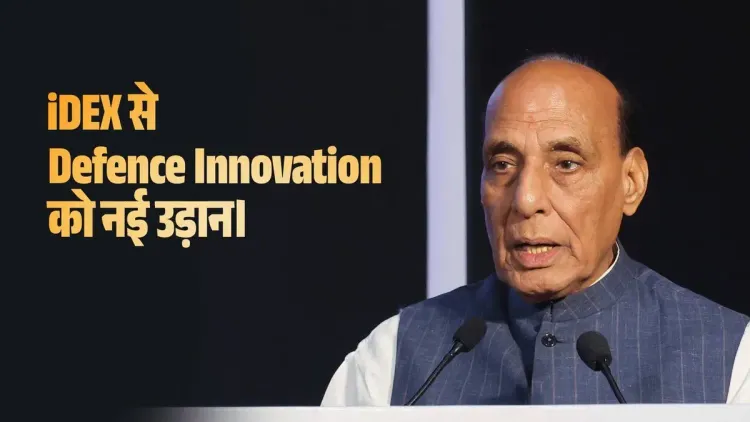
India's defence innovation engine is gaining altitude. Union Defence Minister Rajnath Singh on Monday, October 26, 2026, highlighted how the Innovations for Defence Excellence (iDEX) initiative has transformed the country's approach to military technology — turning startup ideas into battlefield-ready indigenous solutions across naval systems, sensors and communication technologies.
In a post on X, Singh wrote: 'iDEX ne Bharatiya Startups aur Innovators ko apne Ideas ko swadeshi Defence Technologies mein badalne ka avsar diya hai' — 'iDEX has given Indian startups and innovators the opportunity to convert their ideas into indigenous defence technologies.' He cited progress in naval systems, sensors and communication systems as concrete proof of what that opportunity has delivered. The stated goal now: sharply cut import dependence and push defence-sector self-reliance to new heights.
What iDEX Was Built to Do — and Why It Matters
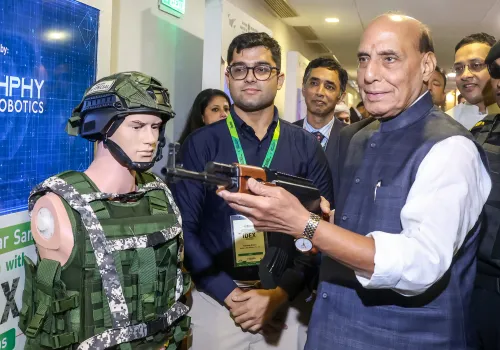
iDEX was formally launched by the Ministry of Defence in April 2018 as a structured mechanism to pull private-sector innovation — particularly from startups and MSMEs — into the defence supply chain. Rather than waiting for large public-sector undertakings to develop every solution, the programme issues defined technological challenges and backs selected innovators with funding and institutional support. The domains Singh highlighted — naval systems, sensors, communications — are precisely the high-technology segments where India has historically leaned heavily on foreign vendors.
The stakes are not abstract. For decades, India ranked among the world's top defence importers, a position that carried both strategic vulnerability and a significant drain on foreign exchange. iDEX is one part of a broader architecture designed to reverse that equation.
The Indigenisation Architecture Behind the Push
iDEX does not operate in isolation. From 2021 onward, the Defence Ministry began publishing Positive Indigenisation Lists — successive tranches of equipment whose import is progressively banned, compelling the armed forces to source domestically. Higher foreign direct investment caps in defence manufacturing and revised offset guidelines further widened the space for Indian private industry. Together, these reforms created demand pull for exactly the kind of startup-led innovation iDEX is designed to supply.
Singh's post threads this together under the umbrella of Atmanirbhar Bharat — Prime Minister Narendra Modi's self-reliance programme announced in 2020 — which elevated defence indigenisation from a procurement preference to a national economic and security priority.
Startups in the Crosshairs of a Defence Transformation
The significance of naming specific technology domains — naval systems, sensors, communications — is deliberate. These are not peripheral items; they sit at the core of modern networked warfare and maritime security. By signalling progress here, the Minister is making a pointed argument: the innovation pipeline is not hypothetical. It is producing hardware that the armed forces can deploy.
For the startup ecosystem, the signal is equally pointed. Defence remains one of the few sectors where government procurement is virtually guaranteed at scale, regulatory barriers to entry are now lower than they have been in decades, and the policy framework actively rewards indigenous developers. Singh's statement, in that light, reads as much as an invitation as it does a progress report.
The question now is velocity. How fast can iDEX-backed technologies clear service trials and enter serial production? That gap — between lab and logistics — will determine whether India's defence self-reliance ambition moves from promising to decisive.
Point of View
Sensors and communications specifically, the Minister is signalling that iDEX is no longer a pilot experiment but a live delivery mechanism in strategically sensitive domains. The statement also functions as a demand signal to the private sector: policy certainty is in place, import barriers are rising, and the window for indigenous developers is deliberately widening. The real test will come when the next defence budget cycle reveals how many iDEX-backed technologies have crossed from challenge stage to procurement orders — that number will tell the story Singh is building toward.
NationPress
26 Oct 2026
Frequently Asked Questions
What is iDEX in Indian defence?
iDEX (Innovations for Defence Excellence) is a Ministry of Defence initiative launched in April 2018 that funds and supports Indian startups, MSMEs and innovators to develop indigenous technologies for the armed forces through structured challenge programmes.
What did Rajnath Singh say about iDEX?
On October 26, 2026 , Defence Minister Rajnath Singh stated that iDEX has given Indian startups the opportunity to convert ideas into indigenous defence technologies, citing progress in naval systems, sensors and communication systems, and declared the goal of reducing import dependence.
What is the Positive Indigenisation List in Indian defence?
The Positive Indigenisation List is a set of lists issued by the Defence Ministry from 2021 onward that progressively ban the import of specified defence items, requiring the armed forces to source them domestically to promote Indian manufacturing.
How does Atmanirbhar Bharat relate to defence manufacturing?
Atmanirbhar Bharat , announced in 2020 , made defence indigenisation a national priority by targeting reduced import dependence, higher FDI caps in defence, and greater private-sector participation — with iDEX serving as one key delivery mechanism.
Which defence technology areas is India indigenising under iDEX?
According to Defence Minister Singh, iDEX has seen notable progress in naval systems, sensors and communication systems — high-technology segments central to modern networked warfare where India has historically relied on foreign suppliers.