Rajnath Singh calls for Defence Self-Reliance 2.0
Synopsis
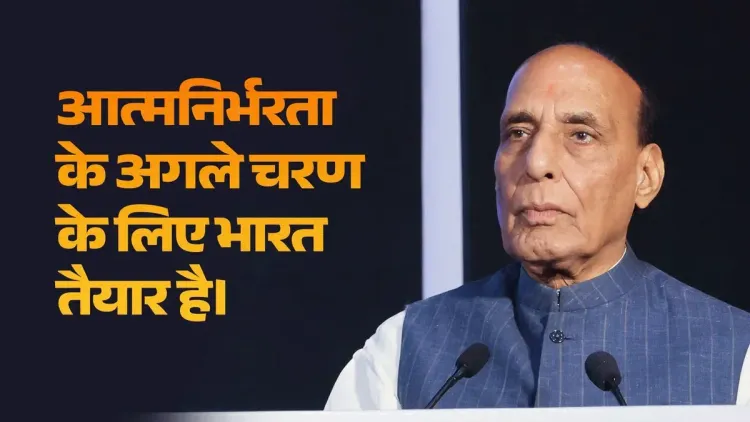
Union Defence Minister Rajnath Singh on 26 October 2026 declared India ready to enter 'Self-Reliance 2.0', targeting frontier technologies after phase one of indigenisation. He highlighted 4,000-plus proposals against 229 Navy iDEX challenges as evidence of deep startup and MSME innovation capacity.
Key Takeaways
Union Defence Minister Rajnath Singh announced a shift to 'Defence Self-Reliance 2.0' on 26 October 2026 , targeting cutting-edge and frontier military technologies.
The Indian Navy posted 229 iDEX challenges that attracted more than 4,000 proposals from startups, MSMEs and young innovators. iDEX (Innovations for Defence Excellence) was launched in April 2018 to crowdsource defence solutions from India's commercial innovation ecosystem.
Phase one of self-reliance included a negative import list banning 411 defence items and an Atmanirbhar Bharat production target of Rs 1.75 lakh crore by 2025.
Singh signalled the next phase will focus on domains such as AI, autonomous systems and hypersonics — areas previously considered beyond India's near-term reach.
Defence industrial corridors in Uttar Pradesh and Tamil Nadu and expanded private-sector access since 2014 underpin the startup-to-soldier pipeline the minister is accelerating.
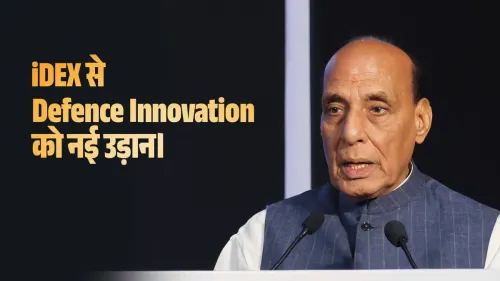
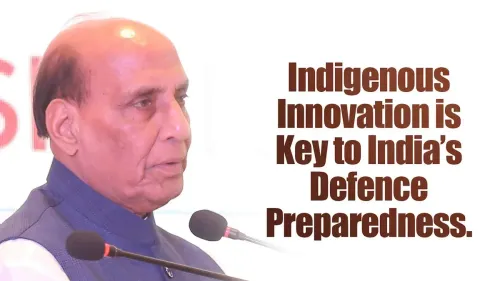
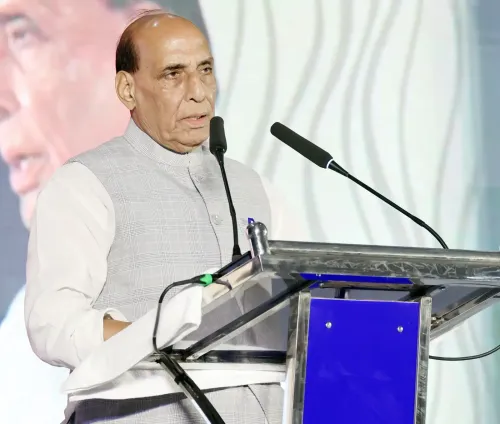
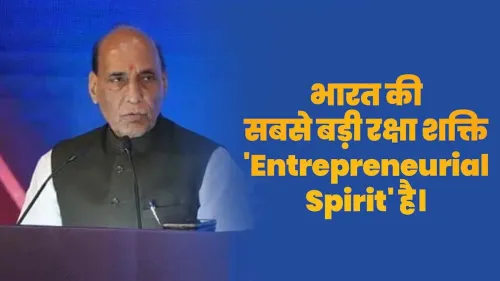
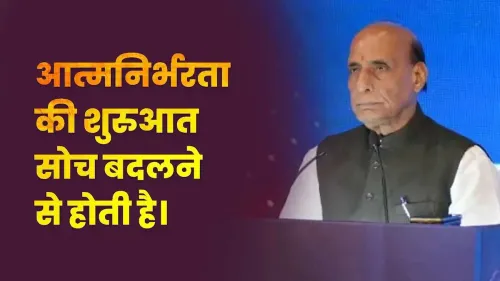
India's first chapter of defence self-reliance is closed — and Union Defence Minister Rajnath Singh is already writing the next one. On Monday, 26 October 2026, the minister announced a pivot to what he called 'Self-Reliance 2.0', a frontier-technology phase of India's indigenisation drive, citing a striking data point: 229 Indian Navy iDEX challenges have drawn more than 4,000 proposals from startups, MSMEs and young innovators.
Posting on X in Hindi, Singh framed the moment with unmistakable ambition: 'अब समय है Self-Reliance 2.0 की ओर बढ़ने का' — 'Now is the time to move towards Self-Reliance 2.0' — where India will 'strengthen capabilities in cutting-edge technologies and confront challenges once considered impossible.'
What iDEX built — and why 4,000 proposals matter
Innovations for Defence Excellence (iDEX) was formally launched in April 2018 by the Ministry of Defence to do something the old procurement machine never could: crowdsource solutions to battlefield problems from the commercial innovation ecosystem. Instead of waiting years for state-owned ordnance factories to deliver, the platform drops a problem statement — a 'challenge' — and lets startups and MSMEs compete for contracts and funding.
The Navy's 229 challenges generating over 4,000 proposals is the headline Singh chose to open his argument, and it earns that billing. It signals that demand-side pull from the armed forces is now meeting genuine supply-side depth from India's startup community — a flywheel the policy was always designed to spin but took years to reach this velocity.
From negative import lists to frontier domains
Phase one of the self-reliance drive had a clear architecture. The Defence Procurement Procedure 2020 introduced negative import lists banning the purchase of 411 defence items from abroad, forcing the services to source domestically. The Atmanirbhar Bharat Abhiyan, announced in May 2020, set a target of Rs 1.75 lakh crore in domestic defence production by 2025 and threw open private-sector participation in ways previously reserved for public-sector giants.
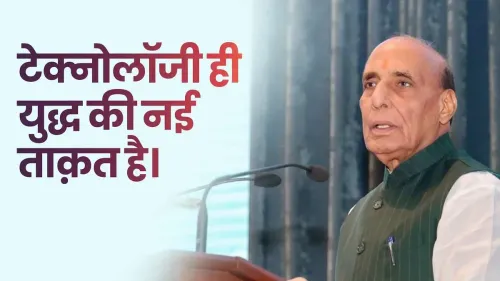
Singh's 'Self-Reliance 2.0' framing implies that phase — substitution, import replacement, basic indigenous manufacturing — is substantially behind India. The next phase, as he signals it, targets the frontier: artificial intelligence, autonomous systems, hypersonics — technologies that the world's major military powers are racing to dominate and that have historically been considered beyond India's immediate reach.
The startup-to-soldier pipeline Singh is betting on
The minister's emphasis on 'startups, MSMEs and young innovators' is deliberate policy signalling, not flattery. Since 2014, India has steadily dismantled barriers to private-sector participation in defence — from allowing 100% FDI under the automatic route to creating dedicated defence industrial corridors in Uttar Pradesh and Tamil Nadu. iDEX sits at the sharp end of that shift: it is the mechanism that converts a young engineer's algorithm or a startup's drone prototype into a verified military solution.
That commercial innovation ecosystems can be harnessed for military advantage is a lesson every major power is now learning in real time — on battlefields from Eastern Europe to the Indo-Pacific. Singh's post suggests India's defence establishment has internalised exactly that lesson and intends to accelerate.
The next milestone to watch: fresh iDEX challenge rounds aimed at frontier domains, and any new frameworks for collaboration between private innovators and the Defence Research and Development Organisation that may emerge from upcoming defence budget announcements or major expo events. If the proposals keep flowing at this pace, 'impossible' may indeed be retiring from India's defence vocabulary.
Point of View
000-plus proposals), he pre-empts the standard critique that defence self-reliance is aspirational rather than operational. The explicit invocation of challenges 'once considered impossible' signals that the ministry is now willing to compete in AI, autonomy and hypersonics — domains where India has historically deferred to established powers. Whether budget allocations and DRDO reform keep pace with the ambition will determine if this becomes policy or merely a compelling post.
NationPress
26 Oct 2026
Frequently Asked Questions
What is Defence Self-Reliance 2.0 that Rajnath Singh announced?
It is the next phase of India's defence indigenisation drive, as described by Union Defence Minister Rajnath Singh on 26 October 2026. After phase one focused on import substitution and banning imports of 411 items, Self-Reliance 2.0 aims to build Indian capabilities in frontier technologies such as AI, autonomous systems and hypersonics.
What is iDEX and how does it work?
iDEX — Innovations for Defence Excellence — is a Ministry of Defence platform launched in April 2018 that posts specific military problem statements called 'challenges' and invites startups, MSMEs and innovators to compete for contracts and funding with solutions.
How many iDEX challenges has the Indian Navy issued and how many proposals did they receive?
According to Rajnath Singh's post on 26 October 2026, the Indian Navy issued 229 iDEX challenges and received more than 4,000 proposals from startups, MSMEs and young innovators.
What was the Atmanirbhar Bharat defence production target?
The Atmanirbhar Bharat Abhiyan, announced in May 2020, set a target of Rs 1.75 lakh crore in domestic defence production by 2025 and expanded private-sector participation in defence manufacturing.
What items were banned from import under India's defence indigenisation policy?
The Defence Procurement Procedure 2020 introduced negative import lists that progressively banned imports of 411 defence items, requiring the armed forces to source them domestically.