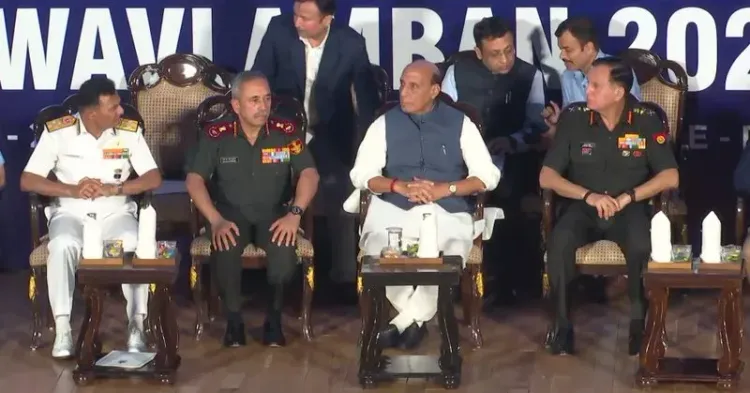
Rajnath Singh Speaks at Swavlamban 2026 in New Delhi
Synopsis
Union Defence Minister Rajnath Singh addressed Swavlamban 2026 in New Delhi on October 26, spotlighting India's sustained push for defence self-reliance under the Atmanirbhar Bharat framework and signalling continued high-level political commitment to reducing import dependence.
Key Takeaways
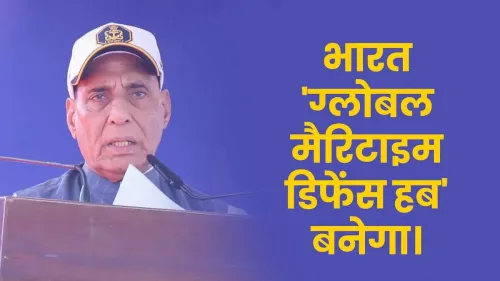
Union Defence Minister Rajnath Singh addressed the Swavlamban 2026 summit in New Delhi on October 26, 2026 .
Swavlamban is India's flagship defence indigenisation platform, translating the Atmanirbhar Bharat initiative into sector-specific commitments.
The Atmanirbhar Bharat defence framework was launched in 2020 to reduce India's dependence on foreign arms imports and build domestic manufacturing capacity.
Rajnath Singh has previously served as Chief Minister of Uttar Pradesh and Union Home Minister , making him one of India's most experienced senior cabinet figures.
Upcoming defence budget cycles and procurement reviews will be shaped by direction signals emerging from the summit.
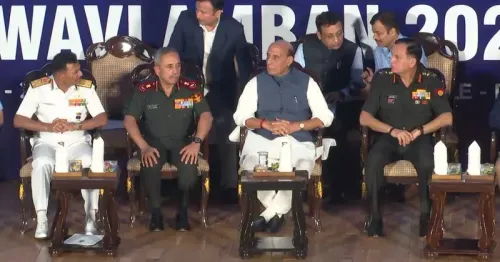
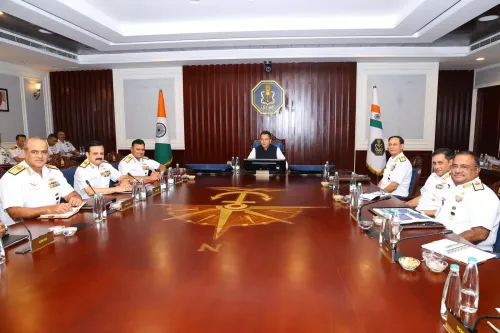
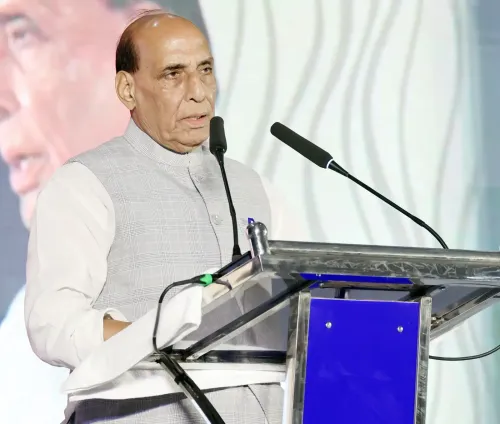
India's defence self-reliance story took centre stage in New Delhi on Monday, October 26, 2026, as Union Defence Minister Rajnath Singh addressed the Swavlamban 2026 summit — the country's flagship naval indigenisation conclave that brings together the armed forces, defence industry, and policymakers under one roof to push India's strategic manufacturing agenda forward.
Swavlamban and the Atmanirbhar Defence Push
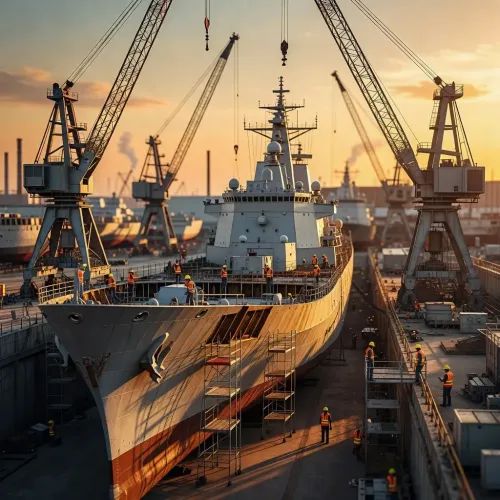
Swavlamban, which translates to 'self-reliance,' has emerged as a signature platform for translating India's Atmanirbhar Bharat vision into concrete defence-sector commitments. The initiative, first announced in 2020, set an ambitious course for reducing India's historically high dependence on foreign defence imports and building a robust domestic manufacturing base spanning ships, submarines, aircraft, and advanced weapons systems.
For a country that has long ranked among the world's top arms importers, the policy shift has been deliberate and structural — with dedicated indigenisation lists, revised procurement procedures, and steadily rising budgetary allocations for domestic defence production.
Rajnath Singh's Role at the Helm of India's Defence Transformation
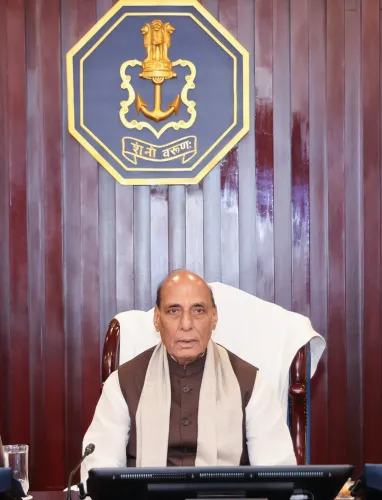
Rajnath Singh, who has helmed the Ministry of Defence through a period of significant doctrinal and procurement reform, has been a consistent and vocal champion of the indigenisation agenda. A senior BJP leader who previously served as Chief Minister of Uttar Pradesh and Union Home Minister, Singh has used forums like Swavlamban to signal government resolve to industry stakeholders and the armed forces alike.
His presence at Swavlamban 2026 underscores the political weight the government continues to place on defence self-reliance — not merely as an industrial policy, but as a pillar of national security strategy.
What Summits Like This One Are Meant to Deliver
Conclaves of this nature serve a dual purpose: they hold the government accountable to its own indigenisation targets, and they give private and public sector defence firms a direct channel to engage with the highest levels of decision-making. With upcoming defence budget cycles and procurement reviews on the horizon, announcements and direction signals from Swavlamban 2026 will be closely watched by industry and analysts tracking India's strategic autonomy trajectory.
The arc of this policy is clear. The question every stakeholder in that room is asking: how fast, and how far?
Point of View
Not a transient policy slogan. The Swavlamban platform has evolved into a barometer of government seriousness on Atmanirbhar Bharat — each edition raising the bar for domestic procurement commitments. For Singh personally, continued stewardship of this agenda cements his legacy as the minister who oversaw structural reform in India's defence acquisition architecture. With budget and procurement cycles approaching, the signals from this summit will ripple through boardrooms and military headquarters alike.
NationPress
26 Oct 2026
Frequently Asked Questions
What is Swavlamban 2026?
Swavlamban 2026 is India's defence indigenisation summit held in New Delhi, focused on advancing self-reliance in defence manufacturing and procurement under the Atmanirbhar Bharat initiative.
What is Rajnath Singh's role in India's defence policy?
Rajnath Singh serves as India's Union Minister of Defence and has been a key driver of the country's indigenisation agenda, overseeing major procurement reforms and the push to reduce dependence on foreign arms imports.
What is Atmanirbhar Bharat in defence?
Atmanirbhar Bharat, launched in 2020, includes dedicated measures for defence self-reliance — such as indigenisation lists, revised procurement procedures, and incentives for domestic defence manufacturing to reduce India's historically high arms import bill.
When did Rajnath Singh speak at Swavlamban 2026?
Rajnath Singh spoke at Swavlamban 2026 on Monday, October 26, 2026, in New Delhi.
Why does India hold defence indigenisation summits?
India holds these summits to align the armed forces, government, and defence industry on procurement targets, signal policy direction, and accelerate the shift from import dependence to domestic production — a core goal of the Atmanirbhar Bharat framework.