Madan Rathore slams Sonia Gandhi memoir: Blaming Sanjay Gandhi posthumously 'contradictory'
Synopsis
BJP Rajasthan president Madan Rathore has turned Sonia Gandhi's memoir into a political counteroffensive — arguing that blaming Sanjay Gandhi for the Emergency is hollow when the entire Gandhi family ran on his system for years. His broadside also reached Mallikarjun Kharge over festival remarks, signalling a coordinated BJP effort to keep Congress on the defensive on multiple fronts simultaneously.
Key Takeaways
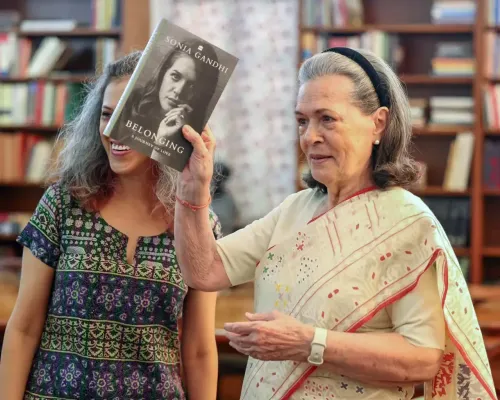
BJP Rajasthan president Madan Rathore on 11 November criticised Sonia Gandhi's memoir for targeting Sanjay Gandhi posthumously.
Rathore alleged that Indira Gandhi , Rajiv Gandhi , and Sonia Gandhi all functioned within the political system Sanjay Gandhi established during his lifetime.
He described the Emergency as a 'collective decision' of the Indira Gandhi family and one of the darkest chapters in India's democratic history.
Rathore also criticised Congress president Mallikarjun Kharge for allegedly comparing a Hindu festival with Eid , calling it religiously insensitive.
He questioned how Indira Gandhi could disclaim responsibility for Emergency-era decisions while having been Prime Minister throughout.
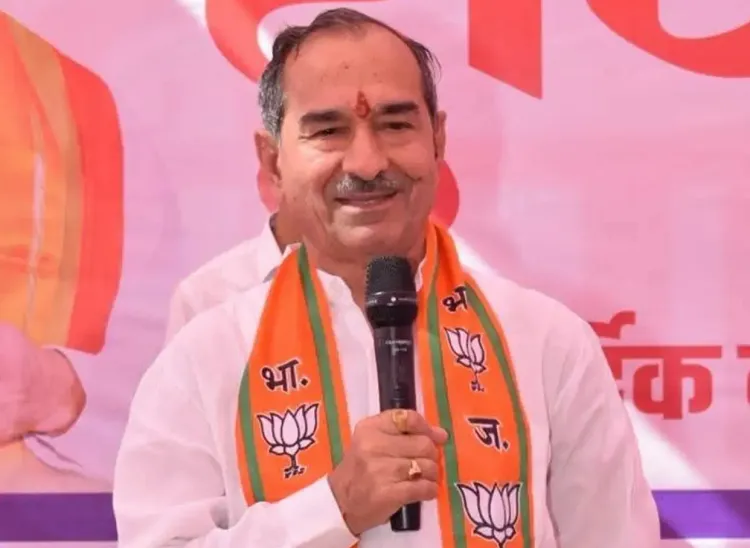
Bharatiya Janata Party (BJP) Rajasthan president Madan Rathore on 11 November hit out at Sonia Gandhi's memoir, calling it 'contradictory and inappropriate' to criticise Sanjay Gandhi posthumously when the Congress family had, according to Rathore, operated under the very system he established during his lifetime. Rathore's remarks came from Jaipur and also targeted Congress national president Mallikarjun Kharge over remarks the BJP leader described as religiously insensitive.
Rathore's Core Charge Against the Sonia Gandhi Memoir
Reacting sharply to references made about Sanjay Gandhi in Sonia Gandhi's recently published memoir, Rathore argued that it was unjust to hold Sanjay Gandhi solely accountable for the excesses of the Emergency. He alleged that Indira Gandhi, Rajiv Gandhi, and Sonia Gandhi had all functioned within the political framework that Sanjay Gandhi had put in place while he was alive.
'If it is being claimed that Sanjay Gandhi was indirectly running the government, it raises an even more serious question about Indira Gandhi's leadership. She was the Prime Minister, yet someone else was allegedly calling the shots,' Rathore said.
He maintained that criticising Sanjay Gandhi's reputation and legacy after his death, while having benefited from the system he built, amounted to a fundamental contradiction.
Emergency: A 'Collective Decision', Says Rathore
Rathore described the Emergency — imposed from 1975 to 1977 — as one of the darkest chapters in India's democratic history, and insisted it was not the responsibility of any single individual. He alleged that Indira Gandhi, as Prime Minister, was accountable for undermining democracy, curtailing press freedom, and subjecting young people to forced sterilisation during that period.
He further alleged that people who raised slogans such as 'Bharat Mata Ki Jai' were jailed during the Emergency. Rathore questioned how Indira Gandhi could now — through her daughter-in-law's account — absolve herself of responsibility by attributing decisions to a single individual.
Rathore Takes Aim at Kharge Over Festival Remarks
Separately, Madan Rathore criticised Congress national president Mallikarjun Kharge over remarks in which Kharge allegedly compared a Hindu festival with Eid. Rathore said the comments reflected a lack of sensitivity towards religious sentiments, adding that every festival carries its own significance and cultural context within the respective community.
He suggested it would have been more appropriate for Kharge to confine his comments to the relevant context rather than make statements that appeared, in Rathore's view, aimed at appeasing a particular community. Rathore also referred to what he described as atrocities allegedly suffered by Kharge's own family, using it to question the consistency of the Congress president's public statements.
Political Context and What It Signals
Sonia Gandhi's memoir has stirred fresh debate about the Gandhi family's internal dynamics during the Emergency era, a period that continues to carry significant political weight in India. The BJP has historically used the Emergency legacy as a critique of the Congress, and Rathore's response fits a broader pattern of the ruling party seeking to contextualise historical accountability within the entire Gandhi family rather than a single member.
This is not the first time the Emergency has resurfaced as a political flashpoint — references to it have periodically re-entered mainstream political discourse, particularly ahead of election cycles or when Congress leaders make public statements on that period. How the Congress responds to these charges, and whether the memoir's contents become a sustained campaign issue, will shape the next phase of this political exchange.
Point of View
The BJP seeks to discredit the Congress's own internal historical reckoning. The more politically significant charge, however, is the one about collective accountability: if the Gandhi family ran on Sanjay Gandhi's system for decades, their current distancing reads as self-serving revisionism. The Kharge swipe on festival remarks adds a communal-sensitivity dimension that the BJP has repeatedly used to put the Congress on the back foot with majority voters. What is missing from this exchange is a substantive engagement with what the memoir actually reveals — the political debate has moved faster than the historical content it claims to address.
NationPress
11 Nov 2026
Frequently Asked Questions
Why did Madan Rathore object to Sonia Gandhi's memoir?
Rathore said it was inappropriate to criticise Sanjay Gandhi posthumously in the memoir when Indira Gandhi, Rajiv Gandhi, and Sonia Gandhi had all operated within the political system Sanjay Gandhi established during his lifetime. He called this contradictory and said Sanjay Gandhi's legacy should not be subjected to such criticism after his death.
What did Rathore say about the Emergency?
Rathore described the Emergency as a collective decision of the Indira Gandhi family and called it one of the darkest chapters in India's democratic history. He alleged that Indira Gandhi, as Prime Minister, was personally responsible for undermining democracy, curtailing press freedom, and carrying out forced sterilisations — and could not shift blame to a single individual.
What were Rathore's objections to Mallikarjun Kharge's remarks?
Rathore said Kharge's alleged comparison of a Hindu festival with Eid reflected a lack of sensitivity towards religious sentiments. He argued that every festival has its own cultural significance and that Kharge's comments appeared aimed at appeasing a particular community rather than reflecting genuine interfaith respect.
What is the political significance of this controversy?
The BJP has historically used the Emergency legacy to challenge the Congress's democratic credentials, and Rathore's response fits that pattern. By insisting the Emergency was a family-wide decision rather than Sanjay Gandhi's alone, the BJP aims to widen accountability to the entire Gandhi political lineage, particularly at a time when Sonia Gandhi's memoir is drawing fresh public attention.
What did Rathore say about Sanjay Gandhi allegedly running the government?
Rathore directly quoted the claim, saying: 'If it is being claimed that Sanjay Gandhi was indirectly running the government, it raises an even more serious question about Indira Gandhi's leadership. She was the Prime Minister, yet someone else was allegedly calling the shots.' He used this to argue that Indira Gandhi bore ultimate responsibility as head of government.