Article 370 abrogation anniversary: West Pakistani refugees in Samba call August 5 their 'festival of independence'
Synopsis
For the West Pakistani refugee community in Samba, the seventh anniversary of Article 370's abrogation is not a political debate — it is a personal liberation day. After 75 years of denied citizenship and property rights within J&K, they say 5 August 2019 gave them what 15 August 1947 could not. Their celebrations cut directly against opposition parties observing the same date as a 'Black Day'.
Key Takeaways
The West Pakistani refugee community in Samba, Jammu and Kashmir marked the seventh anniversary of the abrogation of Article 370 on 5 August 2025 as a 'festival of independence'.
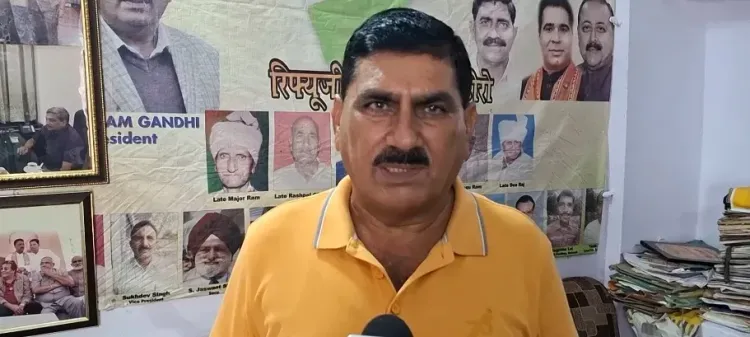
Lamba Ram Gandhi , president of the West Pakistani Refugee Action Committee , said the community had waited 75 years for citizenship and equal rights within J&K before the 2019 constitutional changes.
Community member Romesh Singh said the revocation opened up employment opportunities previously unavailable to the community.
Article 370 was rendered inoperative on 5 August 2019 , and J&K was simultaneously reorganised into two Union Territories — Jammu and Kashmir and Ladakh .
Both Gandhi and Singh rejected opposition parties' characterisation of the date as a 'Black Day', calling such positions politically motivated.
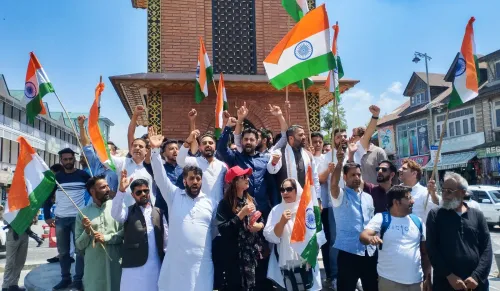
Six years after the abrogation of Article 370, members of the West Pakistani refugee community in Samba, Jammu and Kashmir, marked 5 August 2025 as their personal 'festival of independence', saying the constitutional changes of 2019 finally delivered the citizenship rights and recognition their community had sought for over seven decades.
What the Day Means to the Community
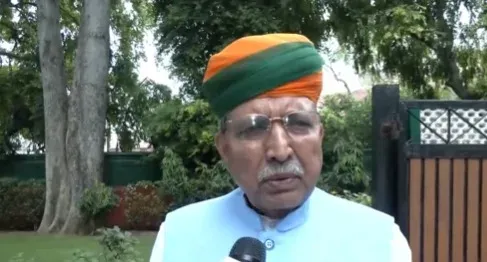
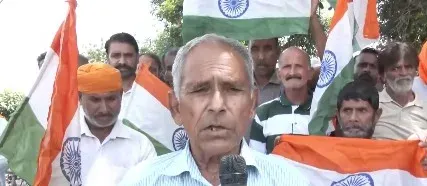
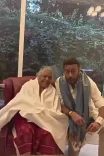
Lamba Ram Gandhi, president of the West Pakistani Refugee Action Committee, described 5 August 2019 as a watershed moment. 'August 5, 2019, was the icing on the cake for West Pakistani refugee families. For the past 75 years, the community had been waiting for citizenship and equal rights in Jammu and Kashmir, which became possible after the abrogation of Articles 370 and 35A. August 5 holds the same significance as August 15 for the entire country. That is why our community celebrates this day as a festival every year and will continue this tradition in the future,' he said.
Another community member, Romesh Singh, echoed the sentiment, noting that the revocation opened up employment avenues that had previously been out of reach. 'After the revocation of Article 370, the community experienced renewed enthusiasm, and employment opportunities began to emerge. For them, August 5 is no less than a national festival, and they celebrate it with great enthusiasm every year,' Singh said.
Background: Article 370 and the West Pakistani Refugees
Article 370 became part of the Constitution of India when it came into force in 1950, granting special autonomous status to the erstwhile state of Jammu and Kashmir. The provision also meant that West Pakistani refugees who had settled in the Jammu region following the 1947 Partition were not entitled to the same rights as other Indian citizens within the state — including property ownership, government employment, and voting rights in state elections.
On 5 August 2019, the Central government led by Prime Minister Narendra Modi rendered the provision inoperative through a Presidential Order, simultaneously reorganising Jammu and Kashmir into two separate Union Territories — Jammu and Kashmir and Ladakh. This effectively extended the full rights of Indian citizenship to communities like the West Pakistani refugees who had long been in a legal grey zone.
The Political Fault Line
Not all parties view the anniversary with the same sentiment. Several opposition groups have observed 5 August as a 'Black Day', arguing that the abrogation was constitutionally flawed and that statehood for Jammu and Kashmir must be restored. Gandhi dismissed such characterisations, saying they did not reflect his community's lived experience. 'Some political parties, driven by vote bank politics, are misleading people by claiming that Articles 370 and 35A will be reinstated, even though they know this is impossible. These parties have no other issues left, so they are raising this issue to mislead people,' he said, adding that the remark represented his personal view.
Singh was equally dismissive. 'Whether someone calls it a Black Day or by any other name, August 5 is a day of honour and joy for them. The community members will celebrate the occasion with drums and festivities,' he said.
Celebrations and What Comes Next
Gandhi confirmed that all arrangements for this year's commemorations were in place, with the community planning to mark the occasion with the same 'enthusiasm, grandeur and festive spirit' as in previous years. Both Gandhi and Singh expressed gratitude to Prime Minister Narendra Modi and Union Home Minister Amit Shah for what they described as restoring the community's rights.
As the seventh anniversary passes, the West Pakistani refugee community's celebration underscores the deeply divergent ways in which different groups within Jammu and Kashmir continue to interpret one of independent India's most consequential constitutional decisions.
Point of View
Constituencies exist for whom the abrogation was a long-overdue correction, not a constitutional wound. What mainstream coverage often misses is that this community occupied a legal limbo for over seven decades: Indian citizens by nationality but denied state-subject rights by J&K's special provisions. Their celebration is a data point that complicates both the BJP's triumphalist narrative and the opposition's 'Black Day' framing. The harder question — whether the broader promise of development and democratic normalcy for all of J&K is being delivered — remains unanswered and deserves equal scrutiny.
NationPress
19 Sept 2026
Frequently Asked Questions
Why do West Pakistani refugees in J&K celebrate 5 August?
West Pakistani refugees in Jammu and Kashmir celebrate 5 August because the abrogation of Article 370 on that date in 2019 extended full Indian citizenship rights to their community, which had been denied property ownership, government employment, and state-election voting rights for over 75 years under J&K's special constitutional provisions.
What was Article 370 and when was it abrogated?
Article 370 was a constitutional provision, in force since 1950, that granted special autonomous status to the erstwhile state of Jammu and Kashmir. It was rendered inoperative on 5 August 2019 by the Central government through a Presidential Order, and J&K was simultaneously reorganised into two Union Territories — Jammu and Kashmir, and Ladakh.
Who are the West Pakistani refugees in Jammu and Kashmir?
West Pakistani refugees are communities that settled in the Jammu region following the 1947 Partition. Despite holding Indian citizenship, they were not recognised as state subjects under J&K's special laws, which meant they were excluded from key rights including property ownership, state government jobs, and voting in state elections — a status that changed after the 2019 abrogation.
Why do some parties call 5 August a 'Black Day'?
Several opposition parties observe 5 August as a 'Black Day', arguing that the abrogation of Article 370 was constitutionally flawed and that J&K's statehood should be restored. Community leaders like Lamba Ram Gandhi have dismissed this as vote-bank politics that does not reflect the sentiments of groups like the West Pakistani refugees who benefited from the change.
What is the West Pakistani Refugee Action Committee?
The West Pakistani Refugee Action Committee is a representative body of the West Pakistani refugee community in Jammu and Kashmir. Its president, Lamba Ram Gandhi, has been among the prominent voices describing 5 August as a day of celebration for the community, which marks the anniversary annually with public festivities.