Rijiju: Cabinet Clears ₹5,070 Cr Floating Solar Scheme PM-SSY
Synopsis
The Union Cabinet has approved the Pradhan Mantri Surya Sarovar Yojana with a ₹5,070 crore outlay to build 5,000 MW of floating solar projects co-located with 10,000 MWh of energy storage, advancing India's 500 GW clean energy target for 2030.
Key Takeaways
The Union Cabinet approved the Pradhan Mantri Surya Sarovar Yojana (PM-SSY) on July 31, 2026 .
The scheme carries a total budgetary outlay of ₹5,070 crore .
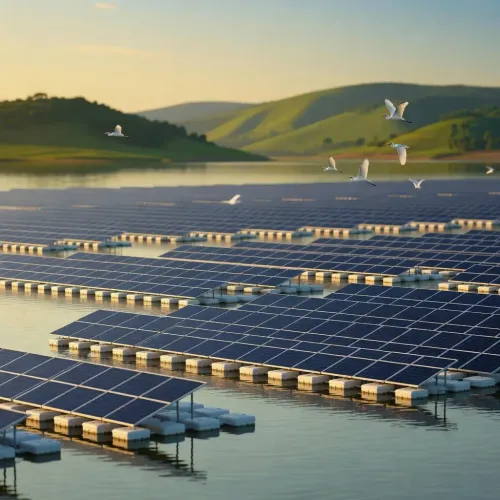
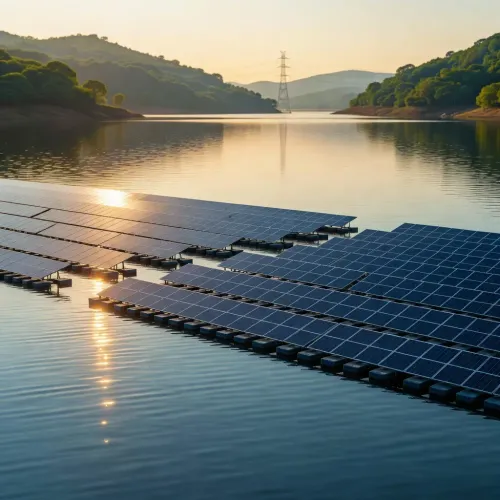
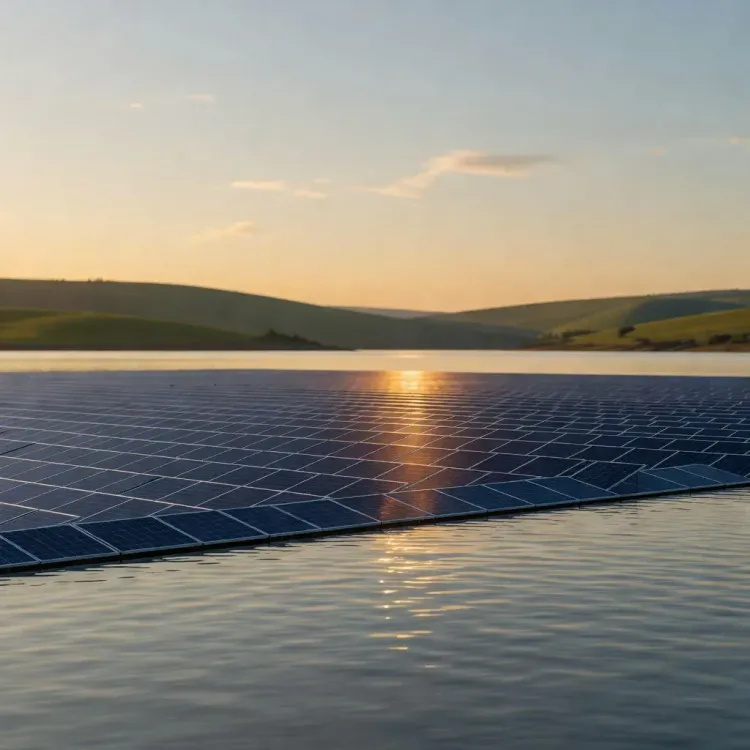
It targets 5,000 MW of Floating Solar PV projects installed on water bodies such as reservoirs.
Every project must include co-located Energy Storage Systems with a minimum capacity of 10,000 MWh .
The scheme advances India's commitment to 500 GW of non-fossil fuel capacity by 2030 , pledged at COP26.
Execution will involve site selection, state utility coordination, and competitive tendering overseen by the Ministry of New and Renewable Energy .
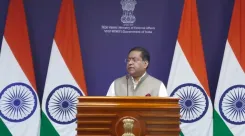
India's clean energy ambitions just got a significant financial anchor. Union Parliamentary Affairs Minister Kiren Rijiju announced on Friday, July 31, 2026 that the Union Cabinet, under Prime Minister Narendra Modi, has approved the Pradhan Mantri Surya Sarovar Yojana (PM-SSY) — a dedicated scheme to scale up floating solar power with integrated storage, backed by a budgetary outlay of ₹5,070 crore.
5,000 MW on Water: What PM-SSY Actually Proposes
The scheme targets the development of 5,000 MW of Floating Solar Photovoltaic projects co-located with Energy Storage Systems carrying a minimum capacity of 10,000 MWh. That storage mandate is the detail that sets PM-SSY apart from earlier floating solar pilots — it directly addresses the intermittency problem that has long complicated India's grid integration of renewable energy.
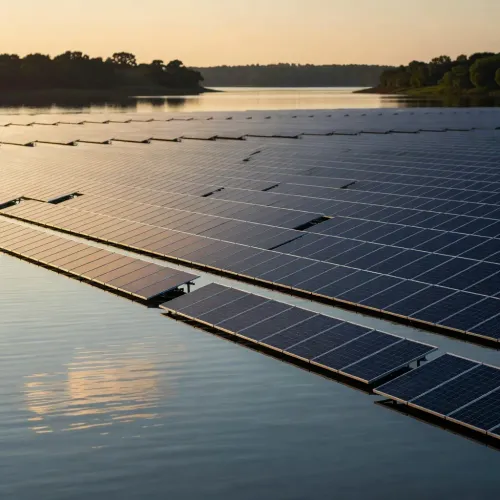
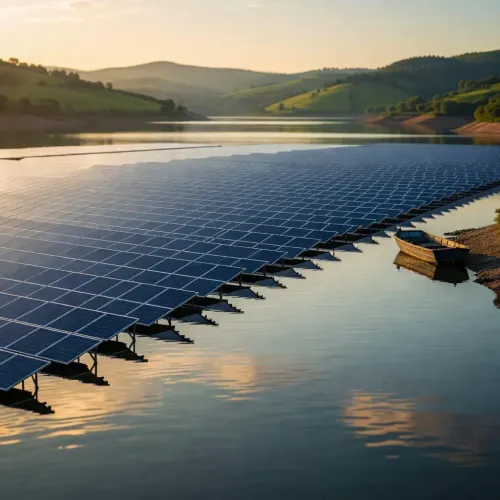
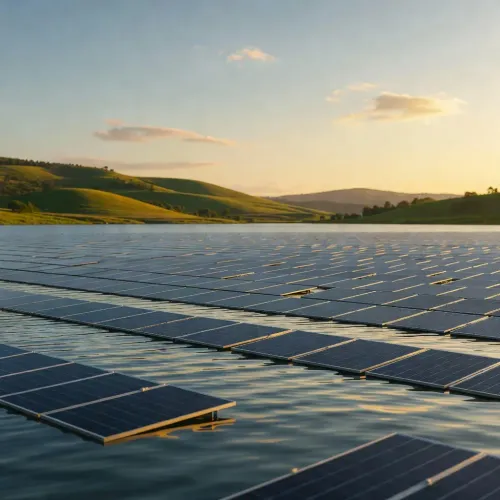
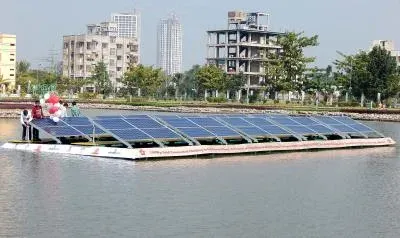
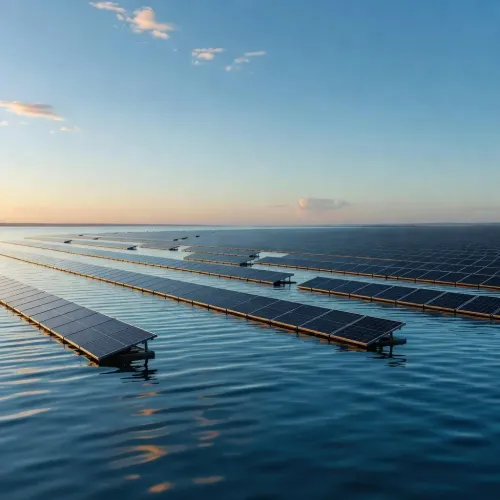
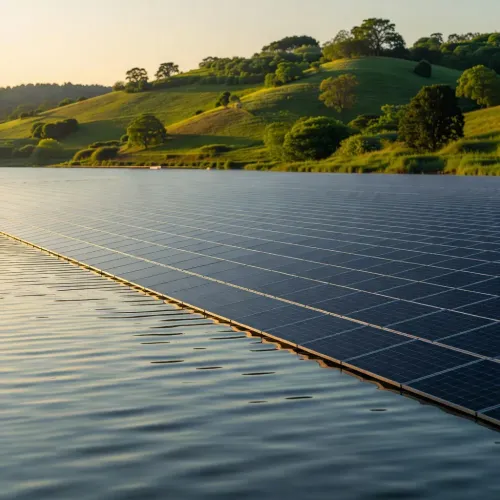
Floating solar installations are mounted on reservoirs, lakes, and water bodies rather than land. Beyond generating clean power, the approach reduces water evaporation from reservoirs and sidesteps the land-acquisition conflicts that have slowed ground-mounted solar projects in several states. India has piloted such installations across a handful of states, but PM-SSY represents the first dedicated national scheme to push the technology to scale.
Where PM-SSY Fits in India's 500 GW Climate Pledge
India committed at the COP26 summit in Glasgow in 2021 to achieving 500 GW of non-fossil fuel energy capacity by 2030. That target — one of the most ambitious in the developing world — has driven a succession of solar programmes since the original Jawaharlal Nehru National Solar Mission was launched in 2010. PM-SSY's 5,000 MW target, while a fraction of the overall goal, plugs a specific technology gap: utility-scale floating solar with built-in storage, which has so far remained at the pilot stage in India.
The Ministry of New and Renewable Energy is the nodal body responsible for rolling out such schemes. Execution will hinge on site selection across suitable water bodies, coordination with state power utilities, and competitive tender processes — all of which will be closely watched as the scheme moves from Cabinet approval to the ground.
Storage + Solar: The Grid Stability Bet
The co-location of 10,000 MWh of storage with every megawatt of generation is a deliberate design choice. Solar power peaks mid-day and drops to zero at night; storage allows that energy to be dispatched when the grid actually needs it — evenings, early mornings, or during demand spikes. Bundling storage into the scheme from the outset, rather than retrofitting it later, signals a maturation in how India's energy planners are structuring new capacity additions.
For solar developers and state utilities, PM-SSY opens a new procurement pipeline. The scale of the outlay — over five thousand crore rupees — suggests the government expects multiple large projects rather than incremental pilots, with competitive bidding likely to determine tariffs and developer selection.
India has built one of the world's fastest-growing renewable energy bases over the past decade. With PM-SSY, it is now betting that the surface of its reservoirs can become the next frontier — and that pairing every panel with a battery is the only responsible way to get there.
Point of View
Reflecting lessons learned from curtailment and instability in earlier renewable rollouts. The floating format also signals a deliberate pivot to land-light infrastructure, a response to the acquisition bottlenecks that have stalled ground-mounted projects across multiple states. At ₹5,070 crore, the outlay is meaningful but not transformative on its own; the real test will be whether the tender and state-coordination machinery can execute at the speed the 2030 target demands. This approval, announced by a senior Cabinet minister rather than the energy ministry directly, also underscores how central renewable energy has become to the BJP government's political messaging ahead of the decade's defining climate accountability window.
NationPress
31 Jul 2026
Frequently Asked Questions
What is the Pradhan Mantri Surya Sarovar Yojana?
The Pradhan Mantri Surya Sarovar Yojana (PM-SSY) is a Union Cabinet-approved scheme to develop 5,000 MW of Floating Solar PV projects on water bodies, co-located with Energy Storage Systems of at least 10,000 MWh, backed by a ₹5,070 crore budgetary outlay.
What is floating solar energy and how does it work?
Floating solar involves mounting photovoltaic panels on pontoons or platforms anchored to reservoirs, lakes, or other water bodies. It generates electricity without using agricultural or urban land, and also reduces water evaporation from the reservoir beneath the panels.
Why is energy storage included in PM-SSY?
Solar power generation peaks during the day and stops at night. Co-locating Energy Storage Systems with a minimum of 10,000 MWh ensures the electricity generated can be stored and dispatched when the grid needs it most, improving reliability and grid stability.
How does PM-SSY relate to India's 2030 renewable energy target?
India pledged at COP26 in 2021 to achieve 500 GW of non-fossil fuel energy capacity by 2030. PM-SSY's 5,000 MW floating solar target contributes to this goal while also addressing land constraints that have slowed conventional ground-mounted solar expansion.
Who will implement the PM Surya Sarovar Yojana?
The Ministry of New and Renewable Energy is the nodal ministry for renewable energy schemes in India. Implementation will involve site identification on suitable water bodies, competitive tendering for solar developers, and coordination with state power utilities.