India tells partners to use correct PoJK nomenclature after NYT error
Synopsis
India's MEA went on record demanding that global partners stop using Pakistani framing for PoJK — a direct rebuke triggered by an NYT headline. With over 40 reportedly killed in JAAC-led protests and videos of Pakistani forces firing on civilians going viral, the nomenclature row is no longer just diplomatic housekeeping: it is the front line of India's sovereignty argument on the world stage.
Key Takeaways
MEA spokesperson Randhir Jaiswal on 31 July urged all partners to use the term Pakistan-occupied Jammu and Kashmir (PoJK) , reaffirming J&K, Ladakh as integral parts of India.
The Indian Embassy in the US on 29 July formally objected to a New York Times headline, calling it 'misleading and incorrect.' More than 40 people have reportedly been killed and hundreds injured during the JAAC -organised long march in PoJK .
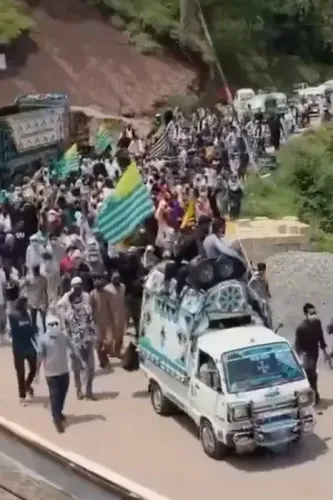
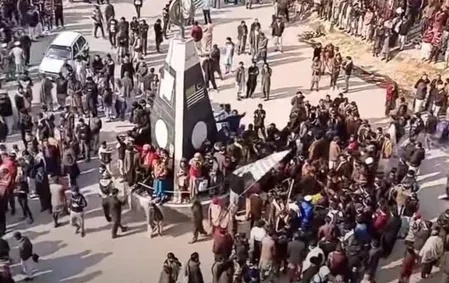
Videos from Kotli, PoJK purportedly show Pakistani police opening fire on a peaceful protest rally, with women seen fleeing.
India's insistence on correct nomenclature reflects a broader legal position rejecting Pakistani territorial claims dating to 1947 .
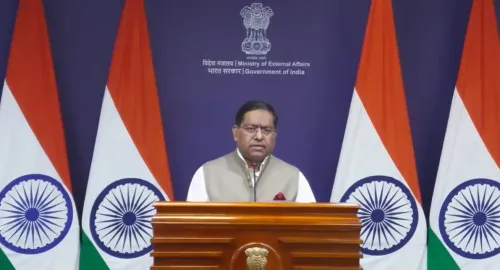
The Ministry of External Affairs (MEA) on Friday, 31 July reiterated that the entire region of Jammu and Kashmir — including the Union Territories of Jammu, Kashmir, and Ladakh — is an integral and inalienable part of India, and urged all partners and stakeholders to reflect the correct nomenclature of the area. The statement came in direct response to The New York Times (NYT) misrepresenting the legal status of Pakistan-occupied Jammu and Kashmir (PoJK) in its coverage of ongoing unrest in the region.
What the MEA Said
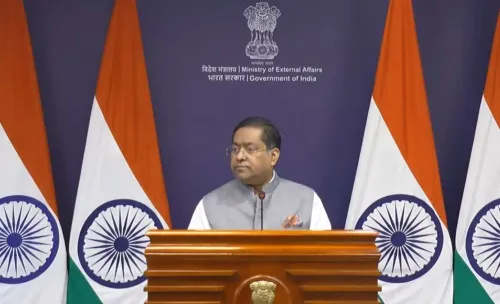
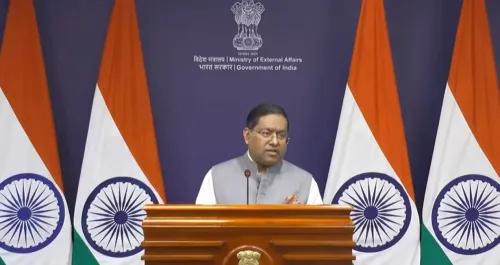
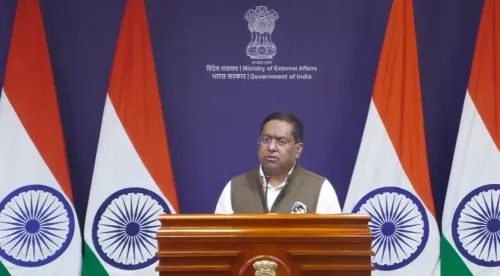
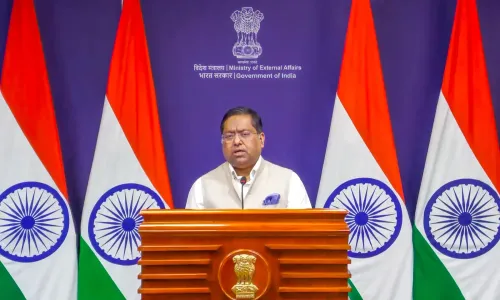
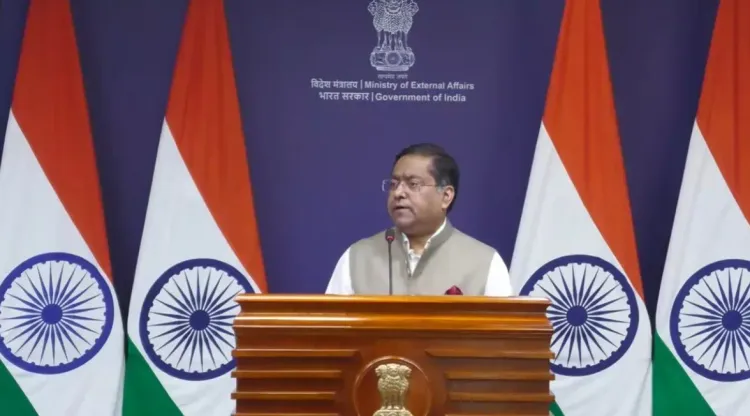
MEA spokesperson Randhir Jaiswal was unambiguous in his position. 'We are very clear that the entire region of Jammu and Kashmir, the Union Territories of Jammu, Kashmir and Ladakh, are integral and inalienable parts of India. That is the position,' he stated.
Jaiswal added: 'These areas/territories were part of India, are part of India, and will continue to be part of India, and we would urge all our partners and stakeholders that they should reflect the correct nomenclature of the area the way we understand.'
Indian Embassy Objects to NYT Headline
The MEA's remarks follow a formal objection raised by the Indian Embassy in the United States on 29 July against an NYT headline on PoJK, which the embassy termed 'misleading and incorrect.' In a post on X, the embassy stated: 'There is no Pakistani Kashmir, only Pakistan-occupied Kashmir. The Union Territories of Jammu and Kashmir and Ladakh have been, are and will always remain an integral and inalienable part of India. Pakistan has illegally occupied parts of these territories and is now using violence against the occupied people.'
This is not the first time India has pushed back against foreign media using terminology that, in New Delhi's view, legitimises Pakistan's illegal occupation. The diplomatic sensitivity around nomenclature has intensified as global coverage of the PoJK unrest has grown.
Violence in PoJK: What Is Happening on the Ground
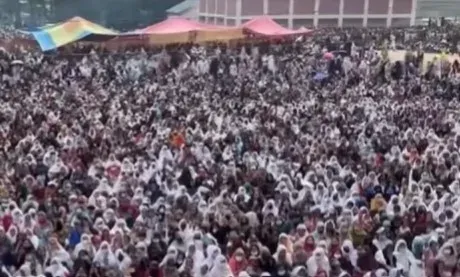
The unrest in PoJK has been triggered by a long march organised by the Joint Awami Action Committee (JAAC), a local civil society grouping. According to reports, more than 40 people have been killed and hundreds critically injured since the march began.
Multiple videos circulating on social media — including footage shared by the JAAC itself — have documented what eyewitnesses describe as disproportionate force by Pakistani security personnel against civilians. On Thursday, videos reportedly showed women protesters in Kotli, PoJK, fleeing as Pakistani police opened fire on what was described as a peaceful rally.
Why India's Nomenclature Push Matters
India's insistence on the phrase 'Pakistan-occupied Jammu and Kashmir' rather than 'Azad Kashmir' or 'Pakistani Kashmir' — terms used by Islamabad and often adopted uncritically by international media — carries significant legal and diplomatic weight. Using the Pakistani framing, critics in New Delhi argue, implicitly endorses a territorial claim that India has consistently rejected since 1947.
The MEA's public call for correct nomenclature, directed at 'all partners and stakeholders,' signals that India views media framing not merely as a journalistic matter but as a dimension of the broader sovereignty dispute. As violence in PoJK continues to draw international attention, how global outlets characterise the territory is likely to remain a pressure point in India's diplomatic communications.
Point of View
Not reactive PR. Every time a major outlet like the NYT uses 'Pakistani Kashmir,' it chips away at the legal architecture India has built around the 1947 accession. The MEA's public call — directed at 'all partners and stakeholders' — is a signal that New Delhi will not let framing drift in the background while PoJK burns. What mainstream coverage misses is the compounding effect: as JAAC protests attract global cameras, the terminology those cameras use will shape international opinion on a dispute India considers settled. The real question is whether India's diplomatic bandwidth is sufficient to police nomenclature across dozens of newsrooms simultaneously — or whether a more proactive media engagement strategy is overdue.
NationPress
31 Jul 2026
Frequently Asked Questions
What is India's official position on Pakistan-occupied Jammu and Kashmir (PoJK)?
India's official position, reiterated by MEA spokesperson Randhir Jaiswal on 31 July, is that the entire region of Jammu and Kashmir — including the Union Territories of Jammu, Kashmir, and Ladakh — is an integral and inalienable part of India. The government regards Pakistan's occupation of parts of this territory as illegal.
Why did India object to The New York Times' coverage of PoJK?
The Indian Embassy in the US objected on 29 July to an NYT headline it termed 'misleading and incorrect' for using terminology that, in India's view, legitimises Pakistan's illegal occupation. The embassy stated there is 'no Pakistani Kashmir, only Pakistan-occupied Kashmir.'
What is the JAAC long march and why is it significant?
The Joint Awami Action Committee (JAAC) is a civil society grouping in PoJK that organised a long march to protest against Pakistani administration. The march has reportedly resulted in more than 40 deaths and hundreds of injuries, drawing international attention to conditions in the region.
What violence has been reported in PoJK recently?
According to reports and social media videos, Pakistani security forces have used force against civilian protesters, including opening fire on a peaceful rally in Kotli, PoJK, on Thursday. Videos shared by the JAAC and others reportedly show women fleeing as police fired on demonstrators.
Why does the terminology used for PoJK matter diplomatically?
The terms 'Azad Kashmir' or 'Pakistani Kashmir' — used by Pakistan and sometimes adopted by international media — imply a legitimacy to Pakistan's territorial claim that India has rejected since 1947. India's insistence on 'Pakistan-occupied Jammu and Kashmir' is a legal and diplomatic assertion that the region belongs to India under the original instrument of accession.