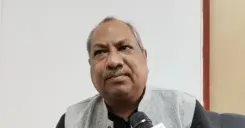
Rijiju calls for more MPs, MLAs for fair representation
Synopsis
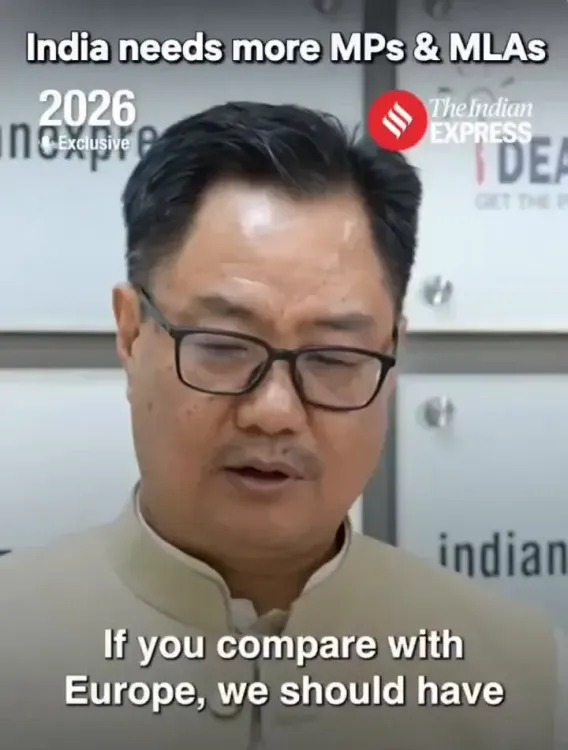
Union Parliamentary Affairs Minister Kiren Rijiju has publicly called for an increase in the number of MPs and MLAs to ensure fair and proportional representation, as the decades-old constitutional freeze on parliamentary seat numbers reaches its 2026 expiry.
Key Takeaways
Kiren Rijiju , Union Minister of Parliamentary Affairs, on 17 June 2026 stated that India needs more MPs and MLAs for fair and proportional representation.
The constitutional freeze on Lok Sabha and assembly seat numbers, first imposed in 1976 and extended to 2026 , is now at its expiry point.
India's Lok Sabha has had 543 seats based on the 1971 Census for over five decades.
Any seat expansion would require a fresh census, a new Delimitation Commission , and a constitutional amendment.
Southern states have historically opposed fresh delimitation, fearing loss of relative representation due to better population management.
The debate involves a fundamental tension between population-proportional representation and regional equity across Indian states.
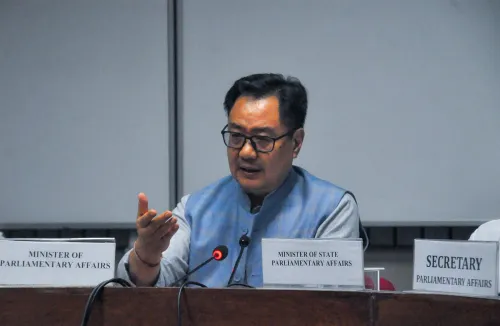
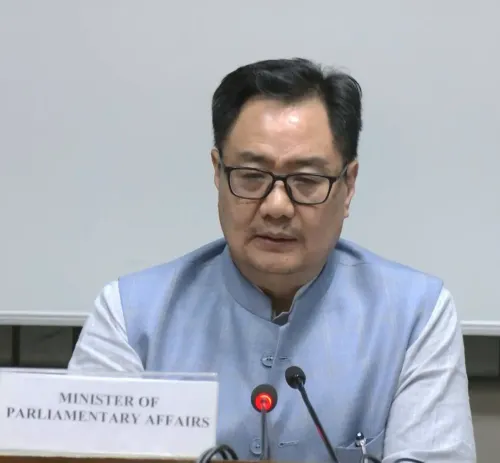
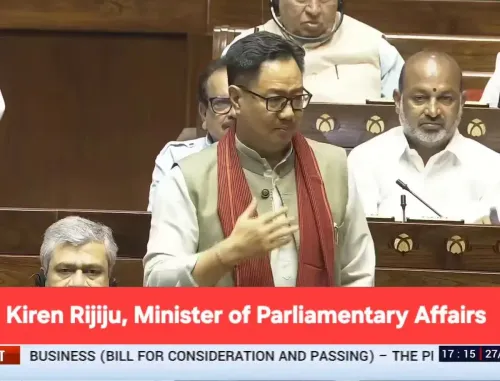
Union Parliamentary Affairs Minister Kiren Rijiju on Wednesday, 17 June 2026 called for an increase in the number of Members of Parliament and Members of Legislative Assemblies, arguing that India requires greater legislative representation to ensure fair and proportional democracy.
Context
Rijiju's statement — 'India needs more MPs and MLAs for fair and proportional representation' — comes as the constitutional freeze on parliamentary and assembly seat numbers approaches a critical juncture. The 84th Constitutional Amendment (2001) extended an earlier freeze, originally imposed by the 42nd Amendment (1976), that locked the total number of Lok Sabha and state assembly seats to figures derived from the 1971 Census, keeping that freeze in place until 2026.
With the freeze period now expiring, the minister's remarks signal that the ruling establishment is actively engaging with the question of whether — and how — to expand the size of Parliament and state legislatures.
Policy Backdrop
India's Lok Sabha currently has 543 seats, a number unchanged for over five decades despite a dramatic rise in population. The original rationale for the freeze was to prevent states with higher population growth from gaining disproportionate political weight at the expense of states that had performed better on population control — a concern that remains live, particularly among southern states.
A Delimitation Commission, a statutory body constituted periodically to redraw constituency boundaries, would be central to any expansion exercise. Successive governments have been cautious about triggering fresh delimitation, wary of the political sensitivities involved in redistributing seats between high-growth and low-growth states.
Rijiju, who as Union Minister of Parliamentary Affairs oversees the government's legislative agenda and its relationship with both Houses of Parliament, is among the most senior voices on questions of parliamentary procedure and reform.
Stakeholders and Impact
The debate over seat expansion cuts across regional and partisan lines. Populous northern and central states such as Uttar Pradesh, Bihar, Madhya Pradesh, and Rajasthan stand to gain more seats if fresh delimitation is carried out on the basis of a recent census. Southern states — including Tamil Nadu, Kerala, Karnataka, Andhra Pradesh, and Telangana — have consistently raised concerns that they would be penalised for successfully managing population growth by losing relative representation in Parliament.
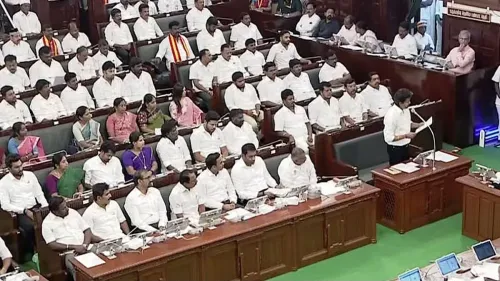
State legislatures face a parallel question: many assemblies have not seen their seat counts revised in decades, raising questions about whether individual constituencies can meaningfully serve the millions of voters they now encompass.
What's Next
The immediate trigger for any legislative action would be the completion of a fresh national census — itself overdue — and the subsequent constitution of a new Delimitation Commission. Any move to increase the total number of parliamentary or assembly seats would require a constitutional amendment, demanding broad political consensus.
Rijiju's public statement is likely to intensify debate among political parties, constitutional experts, and state governments about how to balance proportional representation with regional equity — a tension that will define one of the most consequential democratic exercises India could undertake in the coming years.
Point of View
' the minister is invoking democratic principle rather than partisan arithmetic — a framing designed to build cross-party legitimacy for what would be a politically contentious exercise. The north-south fault line over delimitation has historically constrained governments of all stripes, and any concrete move will require the Centre to either devise a formula that protects southern states' relative weight or build sufficient political capital to proceed without their consent. The timing — ahead of a likely census announcement — suggests this debate is moving from the theoretical to the operational.
NationPress
16 Sept 2026
Frequently Asked Questions
Why does India need more MPs and MLAs?
India's Lok Sabha has had 543 seats based on the 1971 Census for over 50 years, while the population has more than doubled, meaning each MP now represents far more citizens than originally intended. Kiren Rijiju argues this imbalance undermines fair and proportional representation.
What is the constitutional freeze on Lok Sabha seats?
The 42nd Constitutional Amendment (1976) froze the number of Lok Sabha and state assembly seats at 1971 Census levels; the 84th Amendment (2001) extended this freeze until 2026 to prevent populous states from gaining seats at the expense of states with lower population growth.
What is a Delimitation Commission in India?
A Delimitation Commission is a statutory body constituted by the central government to redraw parliamentary and assembly constituency boundaries based on the latest census data; it also determines the total number of seats if a constitutional change is made.
Will southern states lose seats if delimitation happens?
Southern states such as Tamil Nadu, Kerala, Karnataka, Andhra Pradesh, and Telangana have long feared that fresh delimitation based on current population figures would reduce their relative share of Lok Sabha seats, since they managed population growth more effectively than several northern states.
What needs to happen before India can increase the number of MPs?
A fresh national census must be completed first, after which a Delimitation Commission can be constituted. Increasing the total number of seats would also require a constitutional amendment, which needs a special majority in Parliament.