RRU's Project PRAHARI trains prison officers from 12 states in correctional mental health
Synopsis
India has barely one psychologist for every 23,000 prison inmates — so RRU is training the guards themselves. Project PRAHARI is certifying senior correctional officers from 12 states as Master Trainers in mental health risk identification, with a cascade model designed to reach every serving prison staff member in India by mid-2028.
Key Takeaways
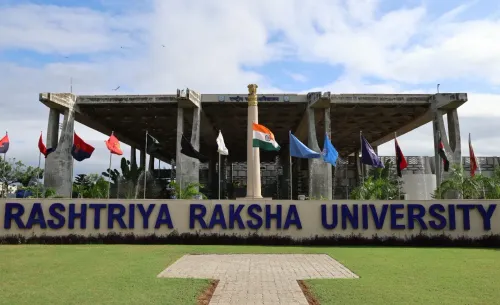
Rashtriya Raksha University (RRU) , Gandhinagar, is conducting a three-day national training from 23–25 September under Project PRAHARI .
Senior prison officers from 12 states are being certified as PRAHARI Master Trainers in correctional mental health.
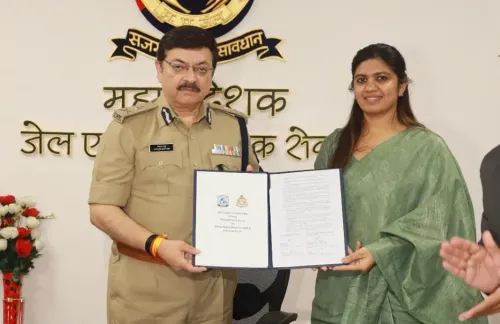
The programme has already trained more than 250 personnel in Gujarat and Madhya Pradesh since its launch on 3 February at Sabarmati Central Prison.
Independent evaluations found that every officer improved in at least one core competency; greatest gains were in identifying suicide and self-harm risks .
India has reportedly only one psychologist per 23,000 inmates , making trained frontline staff the primary practical response.
The cascade model aims to extend PRAHARI to India's full prison staff strength by mid-2028 .
Rashtriya Raksha University (RRU) in Gandhinagar, Gujarat is training prison officers from 12 states to identify psychological and behavioural risks among inmates — including suicide and self-harm risks — under a national capacity-building initiative called Project PRAHARI. The programme, which brings together senior correctional personnel under a residential training format, marks a significant national push to mainstream mental health awareness inside India's prisons.
What Project PRAHARI Is
PRAHARI — an acronym for Psychological Risk Assessment, Health Awareness and Resilience Initiative — is a structured capacity-building programme under RRU's Global Correctional Administration Studies (GCAS) division. It is designed to equip frontline correctional staff to recognise psychological and behavioural risks in custodial settings, respond safely, and facilitate timely referral to qualified mental health professionals.
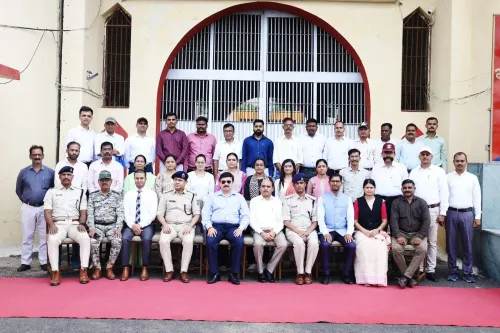
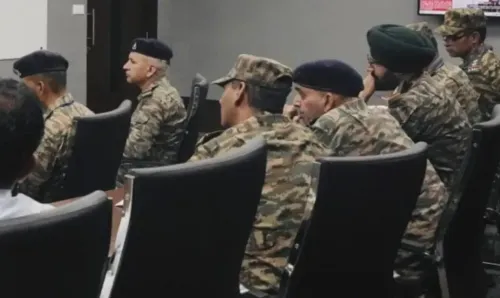
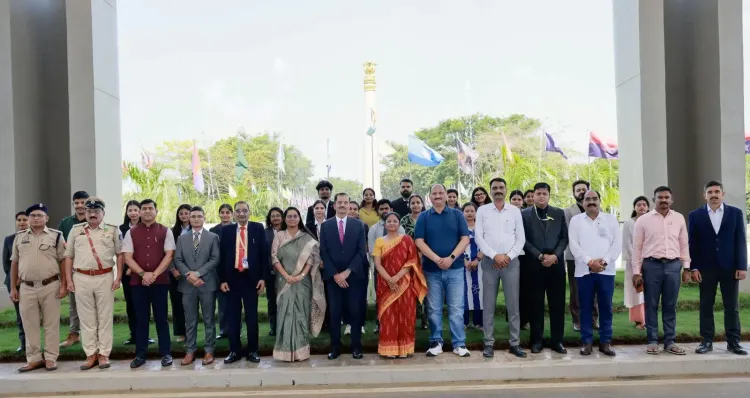
The university is currently hosting a three-day residential National Training of Trainers from 23 to 25 September, drawing Superintendents of Police, Additional SPs, Deputy SPs, and jailers from Andhra Pradesh, Gujarat, Jharkhand, Karnataka, Kerala, Maharashtra, Odisha, Tamil Nadu, Uttar Pradesh, Punjab, and Uttarakhand, among others.
Programme Outcomes So Far
PRAHARI was first delivered on 3 February at Sabarmati Central Prison and has since reached more than 250 correctional personnel across institutions in Gujarat and Madhya Pradesh. Independent before-and-after evaluations found that every officer improved in at least one core competency. The sharpest gains were recorded in identifying suicide and self-harm risks and safely de-escalating volatile situations.
Officers also demonstrated increased knowledge of mental illness, greater willingness to seek professional help, and reduced stigma — without any adverse effect on their own well-being, according to the evaluations.
The Cascade Model and Scale-Up Plan
Each officer who completes the current programme will be certified as a 'PRAHARI Master Trainer' and will subsequently train correctional staff in their home state or Union Territory. Master Trainers must commit to conducting training locally and reporting outcomes to the GCAS Training of Trainers (ToT) Cell.
RRU is rolling out the National Training of Trainers on a monthly basis, with the cascade model intended to extend PRAHARI to India's full serving prison staff strength by mid-2028.
The Critical Staffing Gap
Dr Geetesh Kumar Singh, Project Director at GCAS, underlined the scale of the challenge: there is reportedly barely one psychologist for every 23,000 people in custody across India. 'At this scale, the only solution left is frontline correctional staff trained as a gatekeeper,' he said, citing a model recommended for adoption by states in a 2023 advisory of the National Human Rights Commission (NHRC).
RRU's Vice-Chancellor, Prof. (Dr.) Bimal Patel, stressed the need to strengthen prison administrative capacity and called on officers to leverage technology — including the ePrisons initiative — and involve research officers in programme design. University Dean Dr Jasbirkaur Thadani reiterated that rehabilitation remains the training's ultimate goal, with officers equipped to build a 'dedicated cadre of first responders within the prison system.'
What Comes Next
With monthly national ToT cohorts now scheduled, the programme's reach is set to grow steadily through the states. The NHRC-backed gatekeeper model positions trained correctional officers as the first line of mental health response — a structural shift in how Indian prisons handle inmate psychological welfare, with full national coverage targeted by mid-2028.
Point of View
And one psychologist per 23,000 inmates is not a gap — it is an absence. What RRU is attempting is a gatekeeper architecture borrowed from community mental health, applied to one of the country's most closed institutional environments. The real test will be whether Master Trainers actually deliver cascaded training once they return home, or whether certification becomes a credential rather than a commitment. The NHRC advisory provides normative cover, but compliance with monthly reporting to the GCAS ToT Cell will determine whether this scales or stalls.
NationPress
25 Sept 2026
Frequently Asked Questions
What is Project PRAHARI launched by RRU?
Project PRAHARI — Psychological Risk Assessment, Health Awareness and Resilience Initiative — is a capacity-building programme run by Rashtriya Raksha University's Global Correctional Administration Studies division to train prison officers in identifying and responding to mental health risks among inmates. It was first delivered at Sabarmati Central Prison on 3 February and has since reached over 250 personnel across Gujarat and Madhya Pradesh.
Which states are participating in the PRAHARI training?
Prison officers from 12 states are participating, including Andhra Pradesh, Gujarat, Jharkhand, Karnataka, Kerala, Maharashtra, Odisha, Tamil Nadu, Uttar Pradesh, Punjab, and Uttarakhand. The officers include Superintendents of Police, Additional SPs, Deputy SPs, and jailers from correctional services.
Why is mental health training for prison staff important in India?
According to Project Director Dr Geetesh Kumar Singh, there is reportedly only one psychologist for every 23,000 people in custody in India. This acute shortage makes trained frontline correctional staff the only scalable first line of mental health response, a model endorsed by a 2023 National Human Rights Commission advisory.
What does becoming a PRAHARI Master Trainer involve?
Officers who complete the National Training of Trainers programme are certified as PRAHARI Master Trainers and must subsequently train correctional staff in their own state or Union Territory, reporting outcomes to the GCAS ToT Cell at RRU. The programme is conducted monthly to build a nationally standardised and RRU-monitored cadre.
When will PRAHARI reach all of India's prison staff?
RRU's cascade model is designed to extend PRAHARI to India's full serving prison staff strength by mid-2028, through monthly national Training of Trainers cohorts that certify Master Trainers across all states and Union Territories.