RSS serves all faiths without bias, says Bhagwat at New York interfaith meet
Synopsis
At a New York interfaith gathering, RSS Chief Mohan Bhagwat invoked the 1996 Charkhi Dadri mid-air disaster — in which 349 people, mostly Muslims, died — to argue that RSS volunteers serve without religious bias. His address, combining a defence of the organisation's record with a call for global interfaith service, marks a rare high-profile international platform for the RSS as it enters its centenary year.
Key Takeaways
RSS Chief Mohan Bhagwat addressed the 'One World, One Humanity' interfaith gathering in New York on 30 August .
Bhagwat cited RSS volunteers' response to the 1996 Charkhi Dadri mid-air collision — which killed 349 people, mostly Muslims — as proof of service without religious discrimination.
The RSS currently runs 1,30,000 service initiatives of varying scales across India.
Bhagwat said the organisation's apolitical nature enables unbiased service: 'We could do this because we are not in politics.' He acknowledged negative perceptions of the RSS and invited leaders to observe the organisation from within before forming judgements.
The RSS was founded in Nagpur in 1925 and marked its centenary in 2025 .
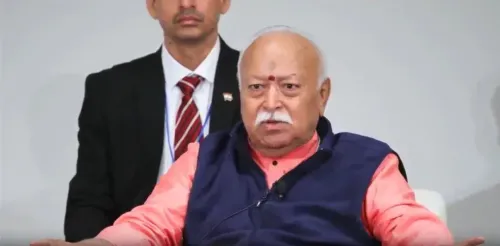
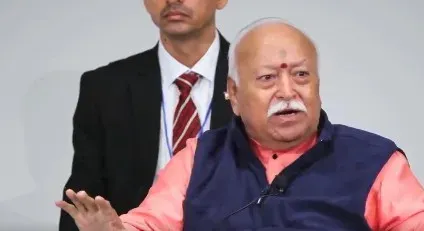
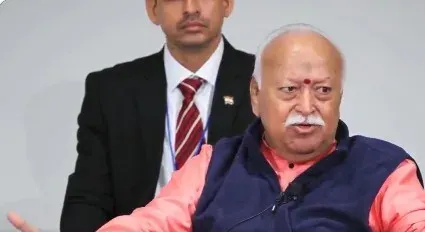
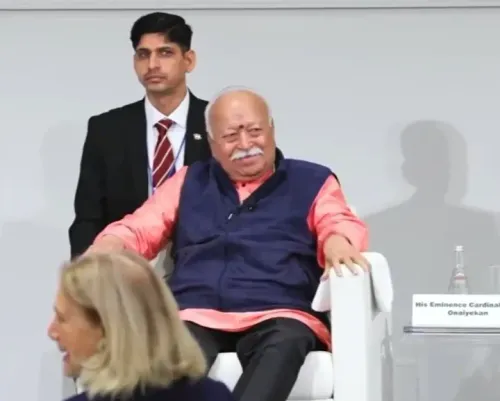
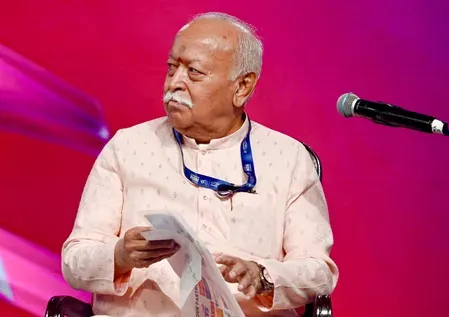
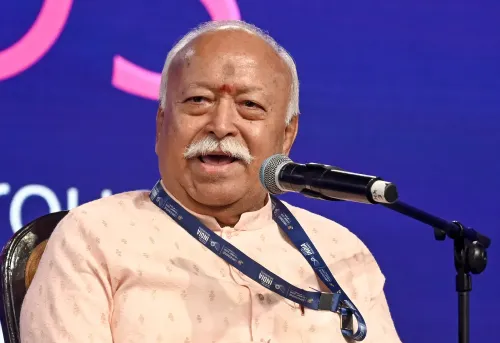
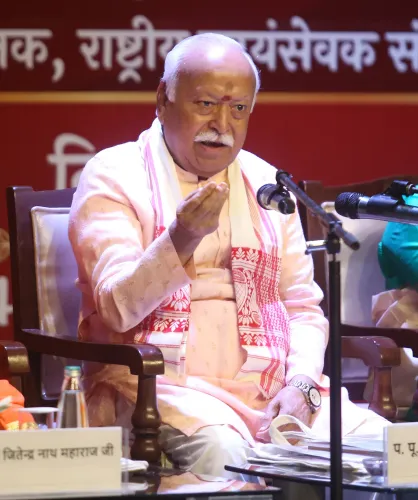
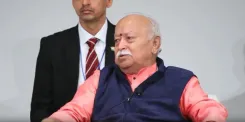
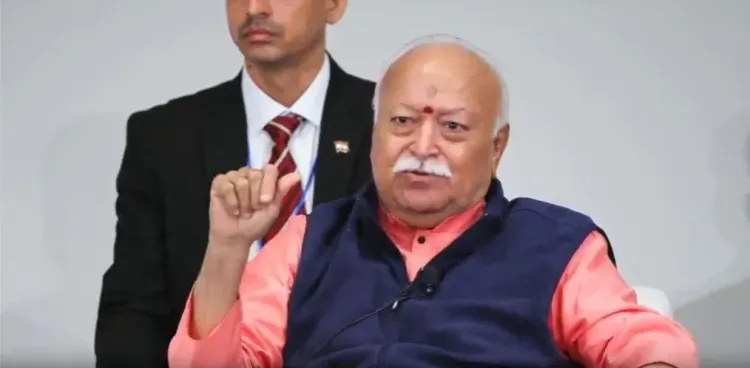
Rashtriya Swayamsevak Sangh (RSS) Chief Mohan Bhagwat on 30 August declared that the organisation renders service to people irrespective of their religion, citing RSS volunteers' response to the 1996 Charkhi Dadri mid-air collision over Haryana — one of the deadliest aviation disasters in history — as evidence of that commitment. Bhagwat was addressing the 'One World, One Humanity' gathering of religious leaders in New York.
Service Without Discrimination
Speaking to an audience of interfaith leaders, Bhagwat said RSS volunteers have never asked about the religion or identity of those they assist. He described the organisation's response to the Charkhi Dadri collision, in which a Saudi Arabian Airlines aircraft and a Kazakhstan Airlines plane collided mid-air, killing all 349 people aboard.
'Both were from Arab countries. Most of the passengers were Muslims,' Bhagwat said, noting that volunteers treated survivors, recovered bodies, helped arrange funeral rites, and later assisted relatives in identifying victims. 'We never thought at that time that these are Muslims,' he added.
Dialogue and Service Must Run Together
Bhagwat framed service as inseparable from interfaith dialogue. 'Dialogue is the first step. Service is another. Not one step after that. It had to start simultaneously,' he said. He added that the RSS currently runs 1,30,000 service initiatives of varying scales, supported by volunteers and society at large.
He attributed the organisation's ability to serve without bias to the fact that it operates outside electoral politics. 'We could do this because we are not in politics,' he said. 'We do it. We only give. We don't want anything.'
Correcting Perceptions About the RSS
Bhagwat acknowledged that the RSS has been the subject of negative narratives, which he attributed partly to the organisation's own reluctance to publicise its work. 'That is why in publicity matters we are much behind,' he said. 'There are many perceptions created by wrong narratives. But when you come and see us from inside, all those will be displayed within a day.'
He invited the religious leaders present to observe the RSS from within before forming conclusions about it.
Service as a Transformative Force
The RSS chief argued that selfless service creates a ripple effect among those who receive it. Describing beneficiaries who later returned to help others without being prompted, he said: 'This project has given me so much. I have to give back.' He added, 'We don't preach them to do this. But that urge develops.'
Bhagwat urged religious leaders at the gathering to build similar examples of selfless service in their own countries and sustain them through ongoing dialogue.
Background: The RSS at 100
The RSS was founded in Nagpur in 1925 by K.B. Hedgewar and marked its centenary in 2025. The organisation maintains a nationwide volunteer network, with affiliated bodies active in education, social service, labour welfare, and tribal development. The 1996 Charkhi Dadri collision, which claimed 349 lives, remains among the worst mid-air disasters in aviation history.
Point of View
Delivered not in India but on a global stage. Yet the gap between the organisation's claimed service record and its public perception in India remains wide, and a single speech in New York will not close it. The more significant question is whether this outward-facing, inclusive framing will translate into any shift in the RSS's domestic posture — or remain a message calibrated for foreign audiences.
NationPress
30 Aug 2026
Frequently Asked Questions
What did RSS Chief Mohan Bhagwat say at the New York interfaith gathering?
Bhagwat said the RSS serves people regardless of their religion and cited the organisation's response to the 1996 Charkhi Dadri mid-air collision, where most victims were Muslim, as evidence. He also called on religious leaders worldwide to build similar models of selfless service.
What is the 1996 Charkhi Dadri mid-air collision that Bhagwat referenced?
The Charkhi Dadri collision occurred in 1996 over Haryana, when a Saudi Arabian Airlines aircraft and a Kazakhstan Airlines plane collided mid-air, killing all 349 people aboard. It remains one of the deadliest mid-air collisions in aviation history.
How many service initiatives does the RSS currently run?
According to Bhagwat, the RSS runs 1,30,000 service initiatives of varying scales across India, supported by volunteers and society at large.
Why did Bhagwat say the RSS can serve without bias?
Bhagwat attributed the organisation's ability to serve without religious or political consideration to the fact that it is not involved in electoral politics. 'We could do this because we are not in politics,' he said, adding that volunteers neither seek recognition nor expect anything in return.
What did Bhagwat say about negative perceptions of the RSS?
Bhagwat acknowledged that wrong narratives have shaped public perceptions of the RSS, partly because the organisation has not publicised its work widely. He invited people to observe the RSS from within, saying all misconceptions would be cleared within a day.