CM Saini Credits Haryana Farmers for Zero Stubble Burning
Synopsis
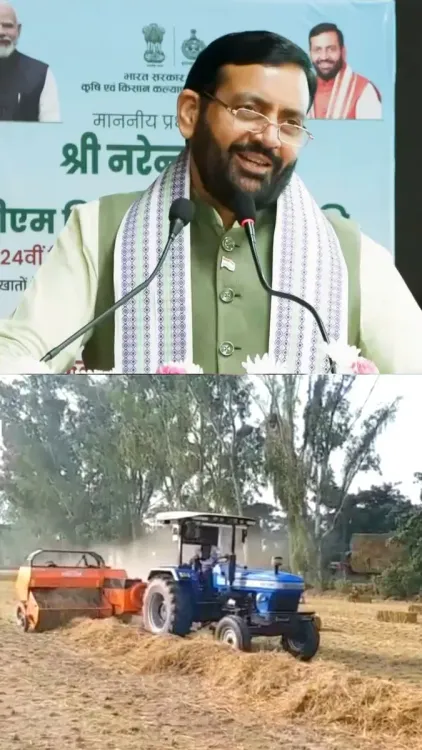
Haryana CM Nayab Singh Saini praised the state's farmers on October 30, 2026, for not burning any paddy stubble this season and converting crop residue into an income source — a potential turning point for Delhi-NCR's winter air quality.
Key Takeaways
CM Nayab Singh Saini stated on October 30, 2026 that no Haryana farmer burned paddy stubble this harvest season.
Farmers have reportedly converted paddy straw into an income source rather than burning it in the fields.
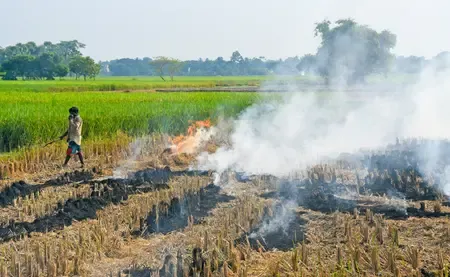
Stubble burning in Haryana has historically been a major contributor to Delhi-NCR 's severe winter air pollution.
The central government's Crop Residue Management scheme , launched in 2018 , subsidised machinery to make stubble alternatives viable for farmers.
Alternative uses for paddy straw include biofuel, compressed bio-gas, packaging material, and animal bedding.
Winter air-quality satellite data and any new state budget announcements on stubble procurement will be key indicators to watch.
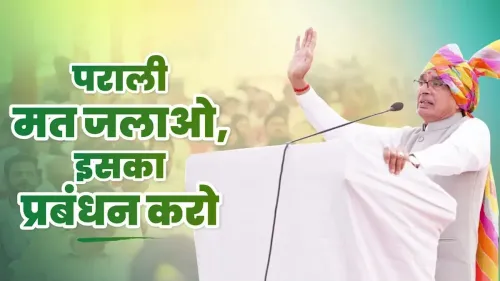
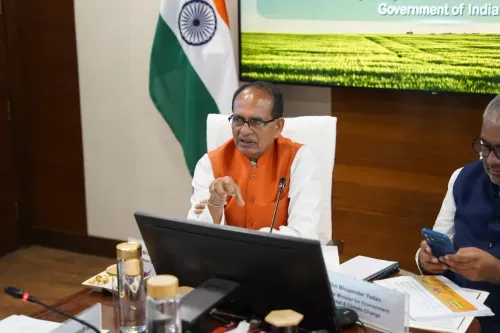
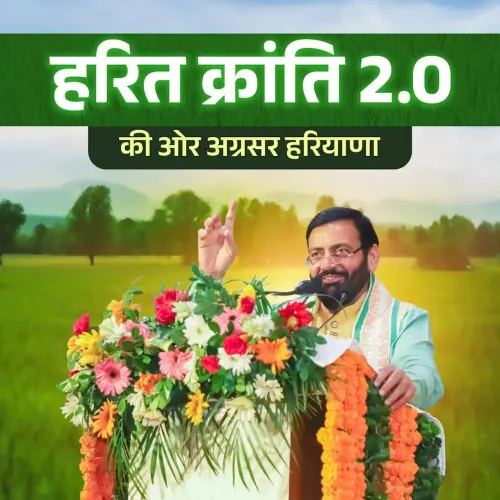
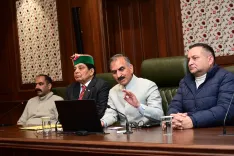
A quiet harvest season in Haryana may be delivering one of the loudest environmental wins in years. Haryana Chief Minister Nayab Singh Saini on Friday, October 30, 2026, expressed heartfelt gratitude to the state's farmers, declaring that not a single farmer had burned paddy stubble this season — and that they had instead converted it into a source of income.
Posting on X in Hindi, CM Saini said: 'हरियाणा के किसानों का दिल से आभार... किसी भी किसान ने अपनी पराली नहीं जलाई है।' ('My heartfelt gratitude to the farmers of Haryana... not a single farmer has burned their stubble.') He added that farmers had turned the crop residue into a means of income — calling it a matter of 'pride.'
Why Stubble Smoke Has Shadowed Every October
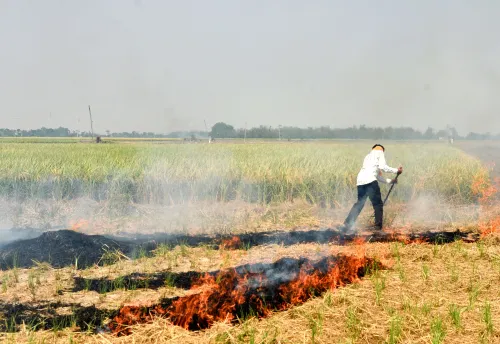
Every post-kharif harvest, the Indo-Gangetic plain braces for a familiar, choking ritual. Farmers in Haryana and neighbouring states, racing to clear fields before the rabi sowing window, have historically torched millions of tonnes of paddy straw. The resulting smoke has been a primary driver of Delhi-NCR's catastrophic winter air-quality collapses, with particulate levels routinely spiking into the 'severe' category and triggering school closures and health advisories.
The economic logic was blunt: burning was free and fast. Alternatives — baling, mulching, feeding biofuel plants — cost time, equipment, and coordination that small and marginal farmers rarely had.
From Ash to Income: The Policy Machinery Behind the Shift
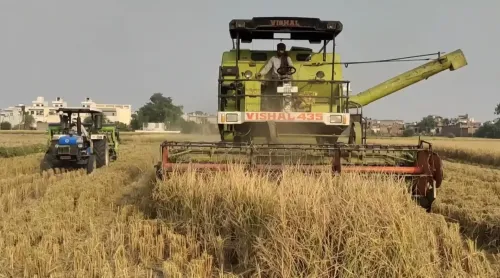
The groundwork for today's shift was laid years earlier. The central government's Crop Residue Management (CRM) scheme, launched in 2018, subsidised machinery such as Happy Seeders, balers, and mulchers, making in-situ and ex-situ stubble utilisation financially viable for farmers who could never have afforded the equipment outright. Successive Haryana administrations built awareness campaigns and procurement linkages on top of that subsidy architecture.
The pitch to farmers gradually changed: stubble was not waste to be eliminated but a raw material — for biofuel, compressed bio-gas plants, cardboard packaging, and animal bedding — with a buyer at the other end. That reframing, CM Saini's post suggests, has now translated into on-ground behaviour change at scale.
What the Numbers Will Tell
The true test of this claim will arrive in Delhi-NCR's winter air-quality data over the coming weeks. Satellite fire-count records from agencies tracking crop-fire hotspots will either corroborate or complicate the Chief Minister's assertion. If the numbers hold, Haryana could present a replicable template — subsidy plus procurement plus cultural shift — for Punjab, where stubble burning remains far more widespread and politically entrenched.
Budget watchers will also be looking for any new state-level announcements on stubble procurement pricing or additional bio-gas processing units that could lock in the economic incentive permanently.
For now, the sky above Haryana's harvest fields is — reportedly — clear. Whether that clarity extends through the winter will determine whether this is a milestone or a headline.
Point of View
If borne out by satellite fire-count data, would mark a genuine behavioural inflection point in one of India's most stubborn agri-environmental conflicts — and hand the BJP a tangible governance win heading into winter. The framing of stubble as 'income' rather than 'waste' is deliberate and significant: it shifts the policy conversation from compliance and penalties to economic self-interest, a far more durable lever. The real pressure now falls on Punjab, where the political economy of stubble burning is far more entangled, and where a successful Haryana model could either inspire change or deepen the contrast. Delhi's air-quality monitors will be the ultimate fact-checker.
NationPress
30 Oct 2026
Frequently Asked Questions
Why is stubble burning a problem in Haryana and Delhi?
Farmers burn paddy stubble after the kharif harvest to quickly clear fields before sowing the next crop. The smoke from millions of acres releases large quantities of fine particulate matter that travels into Delhi-NCR , causing severe air-pollution episodes every October and November.
What did CM Nayab Singh Saini say about stubble burning in 2026?
CM Nayab Singh Saini said on October 30, 2026 that not a single Haryana farmer had burned paddy stubble this season and that farmers had converted the crop residue into a source of income, calling it a matter of pride.
What is the Crop Residue Management scheme?
The Crop Residue Management (CRM) scheme was launched by the central government in 2018 to subsidise farm machinery — such as Happy Seeders and balers — that allows farmers to manage stubble in the field or use it commercially instead of burning it.
How can farmers earn income from paddy stubble instead of burning it?
Paddy straw can be sold or processed as raw material for biofuel plants, compressed bio-gas units, cardboard and packaging manufacturers, or as animal bedding — all of which provide farmers an economic return that makes burning the residue a less attractive option.
How will we know if Haryana's stubble-burning claim is accurate?
Satellite-based fire-count data released by space agencies tracking crop-fire hotspots, and Delhi-NCR 's official air-quality index readings over the coming weeks, will either corroborate or challenge CM Saini 's assertion of zero stubble burning in Haryana this season.