CM Sawant Says Nehru Govt Delayed Goa Liberation for Foreign Policy
Synopsis
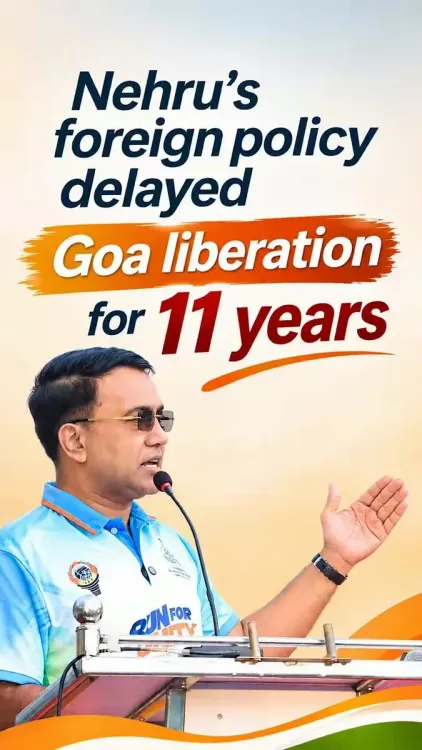
Goa Chief Minister Pramod Sawant asserted on November 1, 2026, that Nehru's government delayed Goa's liberation from Portuguese rule by prioritising foreign policy over the freedom of Goans — reigniting a long-running debate ahead of December's Liberation Day.
Key Takeaways
Goa CM Pramod Sawant posted on November 1, 2026 that the liberation of Goa was delayed due to the then-government prioritising foreign policy over Goan freedom.
Goa remained under Portuguese colonial rule for 14 years after India's independence in 1947 , until Operation Vijay in December 1961 .
The 1954 integration of Dadra and Nagar Haveli ended Portuguese presence there earlier, but Goa's liberation was not pursued militarily until 1961.
Sawant's statement is a political assertion; it aligns with the BJP 's longstanding critique of Nehru -era foreign-policy priorities.
The post is likely to draw opposition responses ahead of Goa Liberation Day on December 19 .
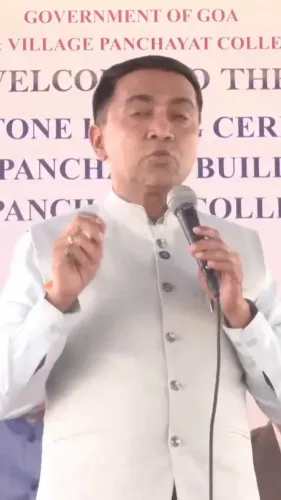
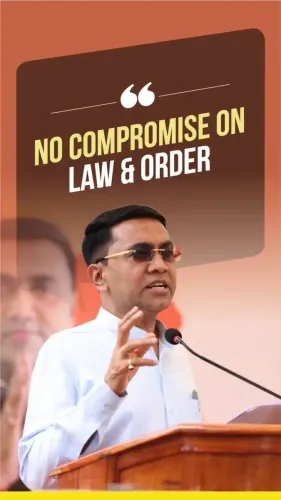
Sixty-five years after Operation Vijay ended Portugal's colonial grip on Goa, the freedom of Goenkars is once again at the centre of a political debate — this time over why it took so long. Goa Chief Minister Pramod Sawant on Sunday, November 1, 2026, posted a pointed assertion on X: that the then-government delayed the liberation of Goa by prioritising foreign policy over the rights of its people.
Sawant's post stated plainly: 'The Liberation of Goa was delayed because then Government prioritised Foreign Policy over the freedom of Goenkars.' The statement is a direct indictment of the diplomatic posture adopted by Prime Minister Jawaharlal Nehru's government during the years between India's independence in 1947 and the eventual military action in December 1961 — a gap of fourteen years.
Fourteen Years Between Freedom and Liberation
When India gained independence in 1947, Goa, Daman, and Diu remained under Portuguese administration — a colonial anomaly that persisted long after the British departed. Portugal, unlike other European powers, refused to negotiate a transfer of sovereignty, and Nehru's government spent much of the 1950s pursuing diplomatic channels rather than direct action. The non-alignment doctrine and international optics weighed heavily on New Delhi's calculations.
An earlier precedent had emerged in 1954, when the Dadra and Nagar Haveli enclaves were integrated — a step that demonstrated the possibility of ending Portuguese presence but did not trigger broader action. It would take until Operation Vijay in December 1961 for Indian armed forces to formally end Portuguese rule over Goa. Critics of the delay — a camp Sawant now squarely represents — argue the diplomatic patience came at the cost of Goan self-determination.
A Political Assertion with a Long History in Indian Debate
The charge is not new, but it lands with added weight from a sitting Chief Minister — and in the BJP's ideological vocabulary, it fits a well-worn argument: that Congress-era foreign-policy idealism consistently subordinated the interests of Indian people on the ground. The BJP has long framed the 1961 liberation as a success achieved despite diplomatic hesitation, rather than because of it.
Commentators across the political spectrum have periodically revisited the 1947–1961 period to interrogate exactly this trade-off: whether Nehru's commitment to non-alignment and international respectability slowed a military resolution that, once taken, was swift and decisive. Sawant's post adds his authoritative voice as Goa's sitting Chief Minister to that reading.
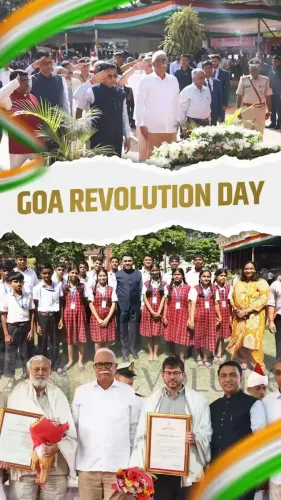
Reactions from opposition parties and further debate during December's Liberation Day commemorations — Goa marks December 19 each year — are now likely to follow.
The Goenkars waited fourteen years after India's own independence. Their Chief Minister wants that wait to be remembered as a political choice, not a historical accident.
Point of View
When attention to the 1961 narrative peaks. The framing taps a broader BJP argument that post-independence foreign-policy idealism, specifically non-alignment and diplomatic caution, repeatedly deprioritised the welfare of Indian communities still under foreign rule. By speaking as the sitting Chief Minister rather than a party spokesperson, Sawant gives the assertion institutional weight. The statement also previews the register in which the ruling establishment in Goa is likely to pitch this year's Liberation Day commemorations.
NationPress
1 Nov 2026
Frequently Asked Questions
Why does Pramod Sawant say Goa's liberation was delayed?
Sawant asserts that the then-government — under Jawaharlal Nehru — prioritised foreign policy and diplomatic considerations over the freedom of Goans, which he says caused the 14-year gap between India's independence in 1947 and Goa's liberation in December 1961.
When was Goa liberated from Portuguese rule?
Goa was liberated on December 19, 1961 , through Operation Vijay , when Indian armed forces ended over four centuries of Portuguese colonial administration in Goa, Daman, and Diu.
What was Operation Vijay?
Operation Vijay was the Indian military operation launched in December 1961 that swiftly ended Portuguese rule over Goa, Daman, and Diu — completing India's territorial integration after independence.
What is Goa Liberation Day?
Goa Liberation Day is observed on December 19 each year to commemorate the 1961 end of Portuguese colonial rule. It is a significant public holiday in Goa.
What was India's foreign policy stance on Goa before 1961?
Under Prime Minister Nehru, India pursued diplomatic negotiations with Portugal through much of the 1950s, consistent with its non-alignment doctrine and preference for peaceful resolution — a stance critics argue prolonged Goan subjugation.