SC upholds ECI's SIR powers: Congress questions poll validity if deleted voters regain franchise
Synopsis
The Supreme Court upheld the ECI's power to revise electoral rolls — but the Congress turned the ruling into a constitutional flashpoint. If voters deleted before an election regain their franchise through appeals decided after polling day, do those elections remain valid? It is a question the verdict did not answer, and one that could haunt future electoral disputes.
Key Takeaways
The Supreme Court on 27 May upheld the ECI's right to conduct Special Intensive Revision (SIR) of electoral rolls as constitutionally valid.
Congress MP Imran Masood alleged Form 7 was misused to delete voters' names before elections, with appeals still pending when polling took place.
Masood questioned whether elections held while valid voter appeals were unresolved can be considered free and fair.
MP Pappu Yadav accused the ECI of deleting names of the poor to benefit a particular political party.
Congress MP Akhilesh Prasad Singh cited cases where voters listed as dead were later found alive, alleging systemic discrepancies in the SIR process.
Chhattisgarh Congress President Deepak Baij noted Mamata Banerjee had appeared in court against the SIR process in West Bengal .
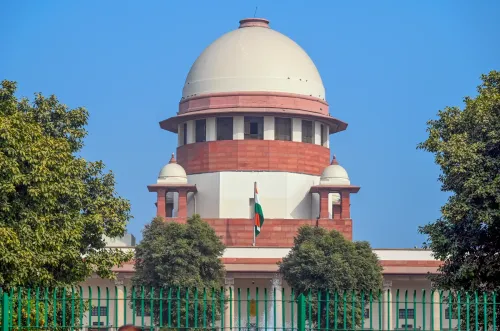
The Supreme Court of India on Wednesday, 27 May upheld the Election Commission of India's (ECI) authority to conduct the Special Intensive Revision (SIR) of electoral rolls, ruling that the exercise falls within the constitutional and statutory powers of the poll body and is aimed at preserving the integrity of the electoral process. Opposition leaders, particularly from the Indian National Congress, swiftly raised concerns about alleged misuse of the process and posed a pointed constitutional question: if voters whose names were deleted from rolls regain their franchise after filing appeals, would elections already conducted stand valid?
Congress Raises Validity Question Over Deleted Voters
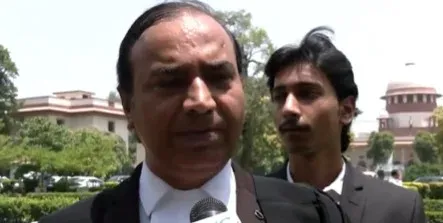
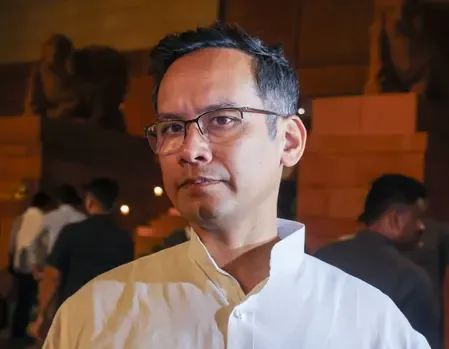
Congress MP Imran Masood acknowledged the court's position that the ECI has the right to conduct SIR, but cautioned that the mechanism had been misused. 'Form 7 has been misused. Many people's names were deleted, Supreme Court asked (the tribunals) to decide on their appeals but before the appeals could be decided, elections took place,' he said.
Masood posed a direct challenge to the integrity of past polls: 'How can free and fair elections be conducted if, for example, my vote is deleted before elections but I regain my right (in new draft rolls) post the elections?' He also appealed to the apex court to take strict action against any fake use of Form 7, and called for the form's application to be time-bound so that its impact does not distort finalised electoral rolls.
What Is Form 7 and Why It Matters
Form 7 is a statutory instrument that allows any person to object to the inclusion of a name on the electoral rolls on grounds such as death, duplication, shifting of residence, or ineligibility due to age, citizenship, or misrepresentation. Congress leaders allege that this form was submitted in bulk, in a targeted manner, to remove names of specific communities from the rolls before elections — a charge the Bharatiya Janata Party (BJP) and the ECI have not publicly accepted.
Masood further alleged that in Uttar Pradesh, where final draft rolls have been published, Form 7 submissions were reportedly being prepared for filing just before the upcoming Assembly polls. 'Then how is democracy being upheld?' he claimed.
Other Opposition Voices Join the Criticism
Congress MP Akhilesh Prasad Singh welcomed the Supreme Court's ruling but simultaneously alleged discrepancies in the SIR process. 'I have repeatedly pointed out the discrepancies, including cases where people shown as dead in the voter list were later seen having tea with Lok Sabha Leader of Opposition, Rahul Gandhi, and others,' he said, adding that such irregularities 'may have been corrected later.'
MP Pappu Yadav directed his criticism at the BJP-led Centre, questioning what the government intended to do with citizens whose names had been removed from voter lists. 'Will they be put in jails or sent to the country from where they allegedly came? Have those countries been identified? If those people are kept in jails, it would be a burden on the economy,' he told reporters. Yadav accused the ECI of being the 'enemy of democracy' and alleged the deletions were designed to benefit a particular political party.
NSUI incharge Kanhaiya Kumar argued that when questions of faith are raised over any constitutional establishment, they must be properly answered. Chhattisgarh Congress President Deepak Baij referenced former West Bengal Chief Minister and All India Trinamool Congress (TMC) supremo Mamata Banerjee appearing in court to argue against the SIR process in Bengal, asserting that 'irrespective of any clean chit, irregularities are happening in the SIR process.'
The Constitutional and Political Stakes
The Supreme Court's ruling settles the question of the ECI's legal authority to revise rolls. However, it does not resolve the political and procedural disputes about how the SIR was implemented on the ground. The opposition's core argument — that elections held while valid voter appeals were still pending may carry a legitimacy deficit — is a question that courts and electoral tribunals may yet have to address.
This comes amid a broader pattern of opposition challenges to the ECI's neutrality in recent electoral cycles, and the SIR controversy adds a structural dimension to those concerns. How the Election Commission and the judiciary handle pending appeals from deleted voters could set a significant precedent for future revisions.
Point of View
But whether elections conducted while voter-deletion appeals remain pending can be considered truly legitimate. That is a gap the verdict does not close. The Congress's Form 7 misuse allegation, if substantiated, would represent a structural subversion of universal franchise — not a clerical error. The fact that final draft rolls in Uttar Pradesh have been published while Form 7 submissions are allegedly being held in reserve for pre-poll filing deserves independent scrutiny, not just political rebuttals.
NationPress
10 Oct 2026
Frequently Asked Questions
What did the Supreme Court rule on the Special Intensive Revision (SIR) of electoral rolls?
The Supreme Court upheld the Election Commission of India's right and authority to conduct the Special Intensive Revision (SIR) of electoral rolls, ruling that the exercise is within the constitutional and statutory powers of the poll body and is aimed at preserving electoral integrity.
Why is the Congress questioning the validity of elections after the SC verdict?
Congress leaders argue that many voters had their names deleted via Form 7 before elections, with their appeals still pending at the time of polling. They contend that if those voters later regain their franchise through appeal decisions, the elections conducted without their participation may carry a legitimacy question.
What is Form 7 and how is it alleged to have been misused?
Form 7 is a statutory instrument allowing objections to the inclusion of a name on electoral rolls on grounds such as death, duplication, or ineligibility. Congress leaders allege it was used in bulk to remove names of specific voters before elections, with Congress MP Imran Masood claiming the form was being kept ready in Uttar Pradesh for submission just before Assembly polls.
Who are the key opposition figures who have spoken out against the SIR process?
Key voices include Congress MPs Imran Masood, Akhilesh Prasad Singh, NSUI incharge Kanhaiya Kumar, Chhattisgarh Congress President Deepak Baij, and MP Pappu Yadav. TMC supremo Mamata Banerjee reportedly appeared in court to argue against the SIR process in West Bengal.
What happens next following the Supreme Court's verdict on SIR?
While the court has settled the ECI's legal authority to conduct SIR, pending appeals from deleted voters before electoral tribunals remain active. How those tribunals rule — and whether elections held during the appeal period face legal challenges — could set a significant precedent for future electoral roll revisions.