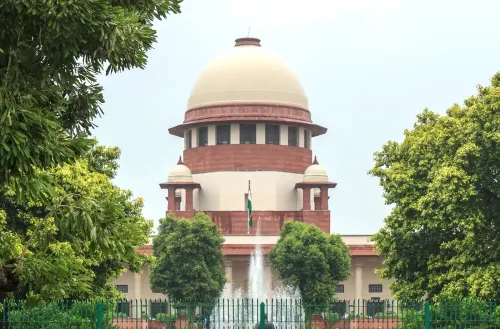
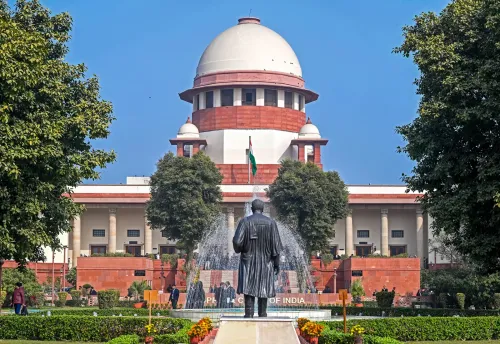
Supreme Court declines PIL on uniform wages for temple priests
Synopsis
The Supreme Court refused to hear a PIL demanding minimum wages and labour protections for priests and temple staff in state-run temples — workers reportedly earning as little as ₹1,000 a month with no pension or healthcare. The bench's swift disinclination leaves a long-standing question about the employer-employee relationship between state temple administrations and their workers unresolved at the apex level.
Key Takeaways
The Supreme Court on 18 May declined to entertain a PIL on uniform wages for priests and temple staff in state-controlled temples.
The bench of Justice Vikram Nath and Justice Sandeep Mehta expressed disinclination to interfere; the petition was dismissed as withdrawn.
The PIL was filed by advocate Ashwini Upadhyay , seeking a judicial commission to review wages and service conditions of temple workers.
The plea alleged temple staff in several states earn between ₹1,000 and ₹5,000 per month with no pension, healthcare, or social security.
The petition cited temple laws in Tamil Nadu, Andhra Pradesh, Telangana, Karnataka , and Kerala and invoked Articles 14 and 21 of the Constitution.
Upadhyay retains liberty to approach appropriate authorities with the grievance.
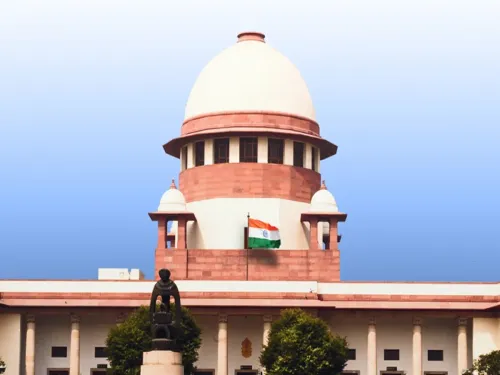
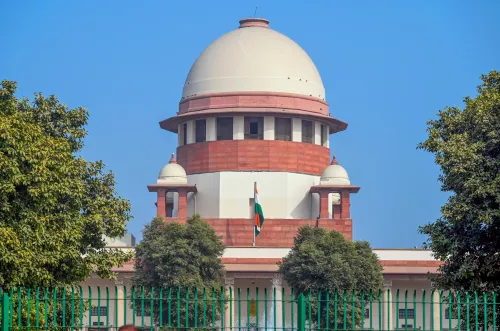
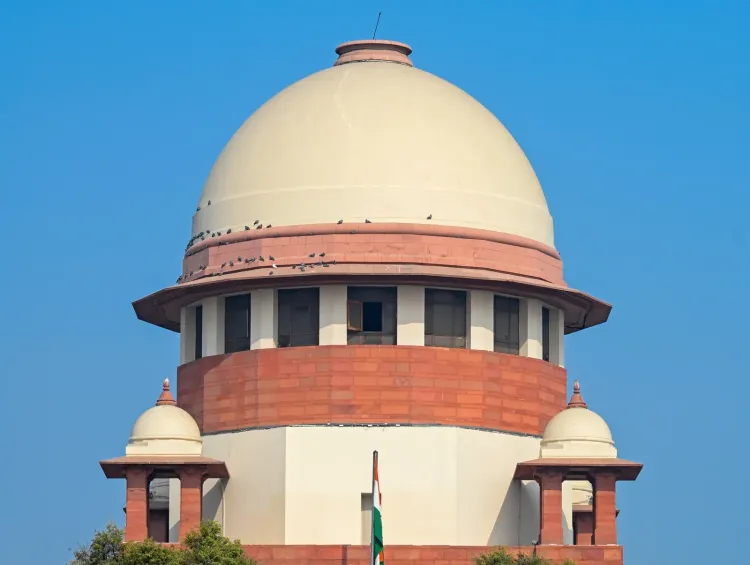
The Supreme Court on Monday, 18 May declined to entertain a public interest litigation (PIL) seeking a uniform wage and welfare framework for priests, sevadars, and temple staff employed in state-controlled temples across India. The bench, led by Justice Vikram Nath and Justice Sandeep Mehta, expressed disinclination to interfere in the matter and refused to admit the petition filed by advocate Ashwini Upadhyay, who appeared in person.
How the Hearing Concluded
After the apex court signalled its unwillingness to examine the issue, Upadhyay sought permission to withdraw the petition with liberty to approach the appropriate authorities. The bench thereafter recorded the matter as dismissed as withdrawn. The court's order read: 'The petitioner seeks permission to withdraw the plea with liberty to approach the appropriate authorities. The petition is dismissed as withdrawn.'
What the PIL Demanded
The petition had sought directions to the Centre and state governments to constitute a judicial commission or expert committee to review wages and service conditions of priests, sevadars, and temple staff in government-controlled temples. It also sought a declaration that such workers fall within the definition of 'employee' under Section 2(k) of the Code on Wages, 2019, making them eligible for minimum wages and labour welfare protections.
The Core Argument
The plea contended that once state governments assume administrative, financial, and economic control over temples, an employer-employee relationship arises between temple administrations and their workers. It alleged that priests and temple staff in several states survive on 'arbitrary honorariums, dakshina-based payments and meagre remuneration', reportedly ranging between ₹1,000 and ₹5,000 per month, with no pension, healthcare, or social security cover.
The petition cited statutory frameworks governing temples in Tamil Nadu, Andhra Pradesh, Telangana, Karnataka, and Kerala, arguing that governments exercise pervasive control over appointments, service conditions, disciplinary supervision, and temple revenues — while simultaneously denying labour protections to temple workers. The plea also invoked Articles 14 and 21 of the Constitution, contending that denial of fair wages violates the fundamental rights of priests and temple staff.
Broader Context
The petition had referenced observations of the Allahabad High Court on minimum wages for temple staff, arguing the issue carried nationwide implications warranting Supreme Court intervention. The question of state control over Hindu religious endowments — and the corresponding rights of temple employees — has been a recurring flashpoint in debates over religious autonomy and labour law. This comes amid broader discussions on whether workers in state-managed religious institutions should be brought under standard labour welfare frameworks. With the plea now withdrawn, Upadhyay retains the option to pursue the matter before appropriate statutory or administrative authorities.
Point of View
Yet deny them the labour protections that any comparable public-sector worker would receive. The Code on Wages, 2019, was meant to consolidate and universalise wage floors, but its application to religious institution workers remains untested. With the apex court stepping back, the burden now falls on state legislatures and labour tribunals — bodies that have historically shown little urgency on this issue. The structural contradiction — state control without state accountability — will not resolve itself.
NationPress
3 Oct 2026
Frequently Asked Questions
Why did the Supreme Court decline the PIL on temple priests' wages?
The Supreme Court expressed disinclination to interfere in the matter and refused to admit the petition. The bench did not give detailed reasons on record; the petitioner subsequently sought and was granted permission to withdraw the plea with liberty to approach appropriate authorities.
What did the PIL demand for temple priests and staff?
The PIL sought directions to the Centre and state governments to form a judicial commission or expert committee to review wages and service conditions of priests, sevadars, and temple staff in state-controlled temples. It also sought a declaration that such workers qualify as 'employees' under the Code on Wages, 2019, entitling them to minimum wages and social security.
How much are temple priests and staff reportedly paid in state-run temples?
According to the PIL, priests and temple staff in several states reportedly earn between ₹1,000 and ₹5,000 per month through arbitrary honorariums and dakshina-based payments, without pension, healthcare, or any social security cover.
Which states were cited in the PIL regarding temple control?
The petition cited statutory frameworks governing temples in Tamil Nadu, Andhra Pradesh, Telangana, Karnataka, and Kerala, arguing that these state governments exercise pervasive control over appointments, revenues, and service conditions while denying labour protections to temple workers.
What happens next after the Supreme Court dismissed the PIL as withdrawn?
Advocate Ashwini Upadhyay, who filed the petition, retains liberty to approach appropriate statutory or administrative authorities with the same grievances. The Supreme Court's order does not bar him from pursuing the matter through other legal or regulatory channels.