Islamic scholars condemn Maulana Jarjis' UP-Palestine analogy as 'publicity stunt'
Synopsis
Senior Islamic scholars from across India are united in condemning Maulana Jarjis' claim that Uttar Pradesh could 'turn into Palestine' — calling it a crass bid for media attention ahead of UP elections. The backlash from within the Muslim community itself makes this more than a routine controversy: it reflects a visible fault line between clerics who stoke pre-election fear and those who reject it.
Key Takeaways
Maulana Jarjis allegedly claimed on 29 October 2026 that Uttar Pradesh could 'turn into Palestine' after the upcoming state elections.
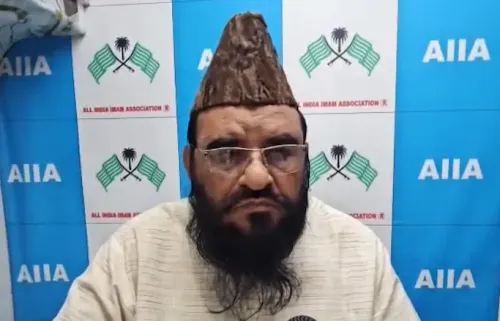
Shia Chand Committee Chairman Maulana Saif Abbas Naqvi called the remarks 'reprehensible' and dismissed them as a publicity stunt.
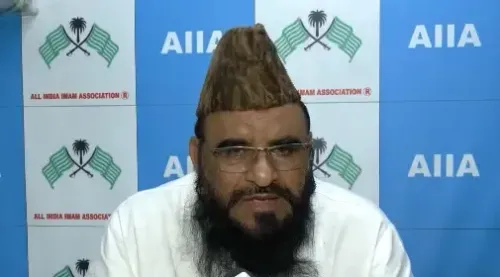
All India Muslim Jamaat national president Maulana Shahabuddin Razvi Barelvi strongly condemned the statement and demanded legal action.
Islamic leader Mohammad Jameel Hayat urged Maulana Jarjis to 'be careful with his words.' Maulana Jarjis had earlier sparked outrage in 2026 for describing Lord Krishna as a 'five-time namazi.' Maulana Razvi Barelvi alleged links between Maulana Jarjis and the Samajwadi Party , calling the remark a deliberate attempt to frighten Muslims.
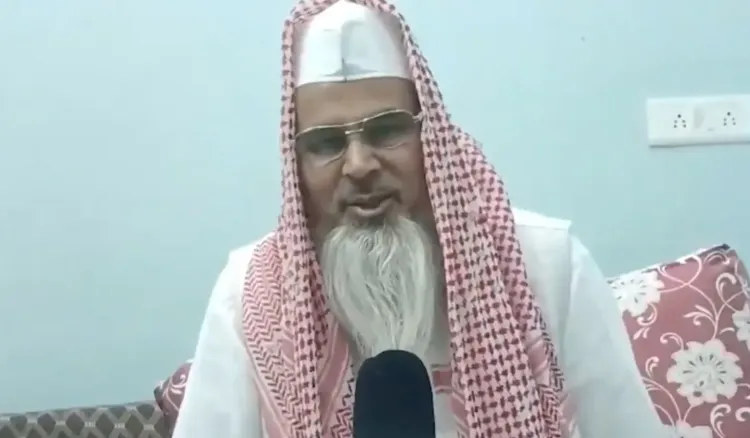
Prominent Islamic scholars have sharply condemned Maulana Jarjis, a Uttar Pradesh-based religious leader, over his alleged remark comparing the state to Palestine ahead of assembly elections — with leaders from within the community dismissing the statement as irresponsible and motivated by a desire for media attention. The controversy, which erupted on 29 October 2026, has drawn rare cross-community criticism from senior Muslim clerics across India.
What Maulana Jarjis Said
According to videos circulating on social media, Maulana Jarjis reportedly expressed apprehension that Uttar Pradesh could 'turn into Palestine' following the elections, citing alleged 'divisions' within the Muslim community. He is also heard in the clips appealing for unity against what he described as communal forces. The videos went viral shortly after the statement was made on 29 October, drawing immediate criticism from fellow scholars.
Scholars Push Back
Shia Chand Committee Chairman Maulana Saif Abbas Naqvi rejected the remarks, saying: 'The Maulvi Sahib always comes up with controversial statements, and he wants to stay in the media by giving these controversial statements.' He further dismissed any notion of widespread fear among Muslims, adding: 'If a Muslim is scared, then he fears only Allah, nobody else. Whoever has brought up the Palestine issue, they have done something reprehensible. Saying such things is regrettable and reprehensible, because the country runs as per the laws and the Constitution.'
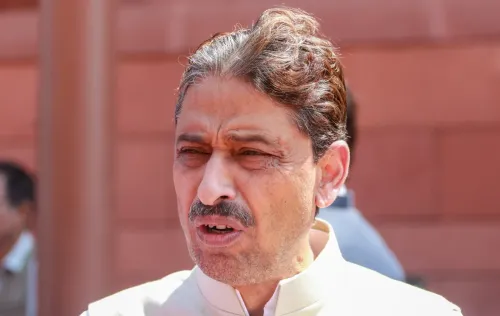
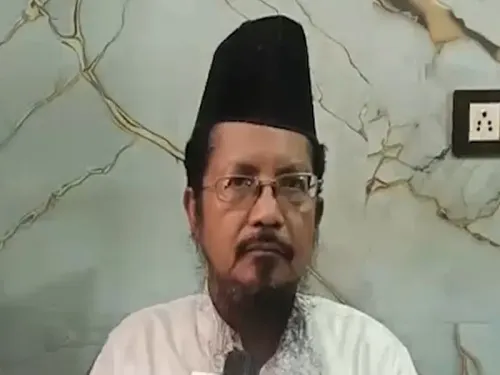
Maulana Shahabuddin Razvi Barelvi, national president of the All India Muslim Jamaat, issued an equally strong rebuke. 'The things that Maulana Jarjis has said are utterly reprehensible. I strongly condemn them,' he stated. He further asserted that 'the residents of Uttar Pradesh will never allow Uttar Pradesh to become Palestine. Not just Uttar Pradesh, but no part of India can become Palestine, because the Constitution is in force here.' He also alleged links between Maulana Jarjis and the Samajwadi Party, characterising the remark as a deliberate bid to frighten Muslims, and demanded government action including a ban on such statements and legal proceedings against the cleric.
Another noted Islamic leader, Mohammad Jameel Hayat, also weighed in, saying: 'Such a statement and remark do not sound appropriate for Uttar Pradesh. I would request Maulana Jarjis to be careful with his words.' He added that he had previously cautioned an Ahl-e-Hadith scholar about Maulana Jarjis' use of 'inappropriate language.'
A Pattern of Controversies
This is not the first time Maulana Jarjis has found himself at the centre of a national controversy. Earlier in 2026, he sparked widespread outrage by describing Lord Krishna as a 'five-time namazi' and claiming that Hindu deities propagated the ideals of Islam — remarks that drew all-round condemnation across religious communities. Critics argue the latest statement follows a similar pattern of provocative commentary that polarises rather than unifies.
The Larger Context
The remarks come at a politically charged moment, with Uttar Pradesh — India's most populous state — heading towards assembly polls. Analysts note that communally sensitive statements tend to surface in the pre-election period, and Muslim scholars' swift and unambiguous condemnation this time signals a pushback from within the community against what they see as fear-mongering. This comes amid a broader national conversation about political mobilisation through religious identity ahead of state elections.
Point of View
It shifts this from mere clerical overreach to deliberate electoral engineering. Maulana Jarjis' track record of outrage cycles — each followed by viral reach and no apparent consequence — raises a harder question about whether condemnation alone is a sufficient deterrent, or whether the legal mechanisms demanded by scholars will actually be invoked this time.
NationPress
2 Nov 2026
Frequently Asked Questions
What did Maulana Jarjis say about Uttar Pradesh and Palestine?
Maulana Jarjis reportedly expressed concern, in videos circulating on social media from 29 October 2026, that Uttar Pradesh could 'turn into Palestine' following the assembly elections, citing alleged internal divisions within the Muslim community. He also appealed for unity against what he called communal forces.
Why have Islamic scholars condemned Maulana Jarjis?
Senior scholars have called his remarks 'reprehensible' and irresponsible, arguing they amount to a publicity stunt designed to stoke fear among Muslims ahead of elections. They stressed that India is governed by a Constitution and laws that protect citizens, making the Palestine comparison baseless.
Who are the Islamic leaders who condemned the remark?
Prominent voices include Shia Chand Committee Chairman Maulana Saif Abbas Naqvi, All India Muslim Jamaat national president Maulana Shahabuddin Razvi Barelvi, and Islamic leader Mohammad Jameel Hayat — all of whom issued independent condemnations.
Has Maulana Jarjis been involved in controversies before?
Yes. Earlier in 2026, Maulana Jarjis drew widespread condemnation for describing Lord Krishna as a 'five-time namazi' and claiming Hindu deities propagated the ideals of Islam. The latest controversy follows a pattern of inflammatory public statements.
What action have scholars demanded against Maulana Jarjis?
Maulana Shahabuddin Razvi Barelvi demanded that the government impose a ban on Maulana Jarjis' statements and initiate legal proceedings against him, also alleging that the cleric has links with the Samajwadi Party.