India-Pakistan peace letter: 117 citizens urge Modi, Sharif to restore ties
Synopsis
A year after Operation Sindoor, 117 prominent Indians and Pakistanis — including RJD MP Manoj Jha, Farooq Abdullah, and Mehbooba Mufti — have jointly written to Modi and Sharif demanding an end to hostility. Jha's pointed reference to cricket in Dubai post-Pahalgam and track-two talks in Colombo signals that civil society is watching state contradictions closely.
Key Takeaways
117 signatories — 61 from India and 56 from Pakistan — jointly wrote to PM Modi and PM Sharif on 1 July urging restoration of bilateral ties.
The letter was issued by the Centre for Peace and Progress , a year after Operation Sindoor .
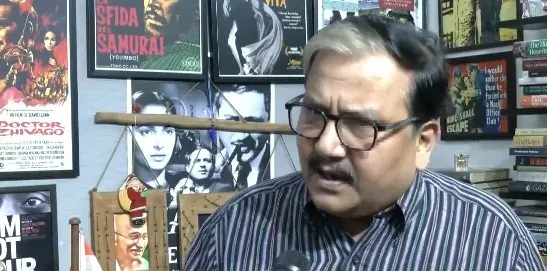
RJD MP Manoj Kumar Jha said the goal was barrier-free people-to-people contact, distinguishing it from state-level diplomatic issues.
Indian signatories include Farooq Abdullah , Mehbooba Mufti , and Mirwaiz Umar Farooq ; Pakistani signatories include former FM Khurshid Mahmud Kasuri and physicist Pervez Hoodbhoy .
Jha questioned the playing of cricket in Dubai after the Pahalgam terror attack and flagged reported track-two diplomacy in Colombo .
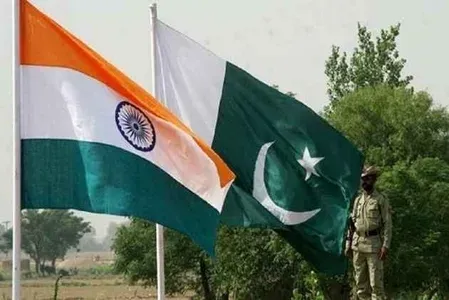
More than 117 prominent citizens from India and Pakistan have jointly written to Prime Minister Narendra Modi and his Pakistani counterpart Shehbaz Sharif, appealing for concrete steps to end prolonged hostility and restore bilateral dialogue. The letter, issued on 1 July by the Centre for Peace and Progress, was signed by 61 Indians and 56 Pakistanis, including politicians, former diplomats, and public figures.
The Core Appeal
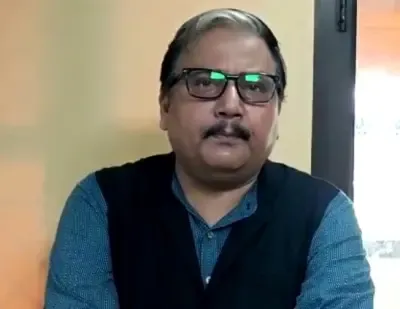
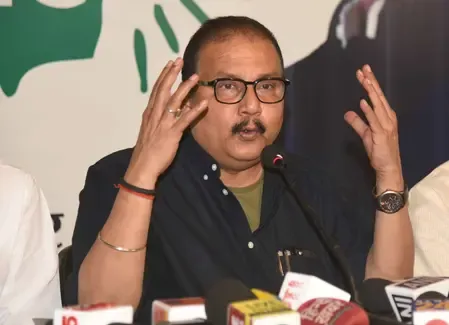
Rashtriya Janata Dal (RJD) MP Manoj Kumar Jha, one of the Indian signatories, said the initiative was aimed at strengthening people-to-people contact. 'Our intention has always been consistent, and I have both written and spoken about it clearly. There is a difference between the state and the citizen. Music does not need a visa, films do not need a visa, and in the digital age, even cartoons do not need a visa,' he said.
Jha elaborated that cultural ties — music, poetry, and stories — transcend borders, a distinction he attributed to Mahatma Gandhi's teachings since the time of Partition. 'Engagement with the state is a matter between our government and their government, whether it concerns water-sharing, terrorism or other bilateral issues,' he added.
Pahalgam Attack and Diplomatic Contradictions
Jha also flagged what he called troubling contradictions in India's post-Pahalgam terror attack response. 'We are still disturbed that after the Pahalgam incident, cricket was played in Dubai. Was the entire country not in pain? At the same time, track-two diplomacy is taking place in Colombo,' he said.
On whether the reported track-two diplomacy in Colombo was happening with government knowledge, Jha said: 'Is this track-two diplomacy in Colombo taking place without the government's consent? Everyone knows under whose influence such decisions are being shaped. Gradually, everything will come out in the open.'
Notably, the letter comes approximately a year after Operation Sindoor, marking a significant moment for civil society voices on both sides to push back against the diplomatic freeze.
Key Signatories
The Indian signatories include National Conference chief Farooq Abdullah, separatist leader Mirwaiz Umar Farooq, Peoples Democratic Party (PDP) chief Mehbooba Mufti, and AJUP leader and former Bengal minister Humayun Kabir.
On the Pakistani side, signatories include former Foreign Minister Khurshid Mahmud Kasuri, former diplomat Ashraf Jehangir Qazi, National Assembly member Isphanyar Bhandara, and nuclear physicist and author Pervez Hoodbhoy.
What the Letter Demands
The joint appeal urged both governments to end the prolonged hostility, arguing it was 'depriving millions of young people of opportunities, prosperity and a secure future.' The signatories called for barrier-free people-to-people contact while suggesting that more complex bilateral irritants — including terrorism and water-sharing — be addressed through separate, sustained diplomatic engagement.
Jha also referenced recent statements from the Rashtriya Swayamsevak Sangh (RSS), saying their intent was clear to those listening, and reiterated that the letter's focus was on grassroots contact rather than state-level negotiations. Whether either government formally responds to the appeal remains to be seen.
Frequently Asked Questions
Who signed the joint letter to PM Modi and Shehbaz Sharif?
The letter was signed by 117 individuals — 61 from India and 56 from Pakistan. Indian signatories include RJD MP Manoj Kumar Jha, National Conference chief Farooq Abdullah, PDP chief Mehbooba Mufti, and Mirwaiz Umar Farooq. Pakistani signatories include former Foreign Minister Khurshid Mahmud Kasuri and nuclear physicist Pervez Hoodbhoy.
What does the joint letter demand?
The letter urges Prime Ministers Modi and Sharif to take concrete, sustained steps to end prolonged hostility and restore peace and normal bilateral relations. It calls for barrier-free people-to-people contact while suggesting complex issues like terrorism and water-sharing be handled through separate diplomatic channels.
Why did Manoj Jha reference cricket in Dubai and track-two talks in Colombo?
Jha cited these as contradictions in India's post-Pahalgam attack posture — arguing that if the country was genuinely in pain after the terror attack, cricket with Pakistan should not have been played in Dubai. He also questioned whether reported track-two diplomacy in Colombo was happening without government knowledge.
What is the Centre for Peace and Progress?
The Centre for Peace and Progress is the organisation that issued the joint appeal. It coordinated the signatures of 117 prominent citizens from India and Pakistan calling for restored bilateral dialogue between the two countries.
How does this letter relate to Operation Sindoor?
The letter was issued approximately a year after Operation Sindoor, a period during which India-Pakistan official relations have remained severely strained. The signatories argue that the continued hostility is depriving millions of young people on both sides of opportunities and a secure future.