Amit Shah flags off 300 e-buses for Delhi, lays Narela high-security prison stone
Synopsis
In a single event on 7 July, Amit Shah flagged off 300 zero-emission buses — pushing Delhi's electric fleet past 4,800 — and laid the stone for what officials describe as India's most technology-driven high-security prison at Narela. The Centre is funding ₹100 crore of the jail project, while Delhi eyes a 14,000-bus fleet by 2028-29.
Key Takeaways
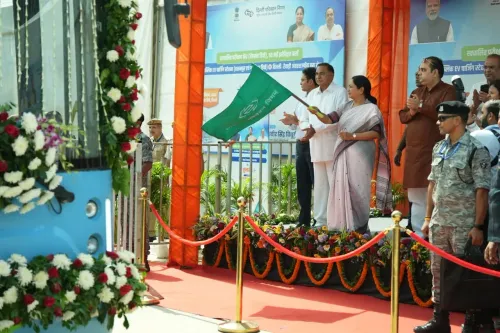
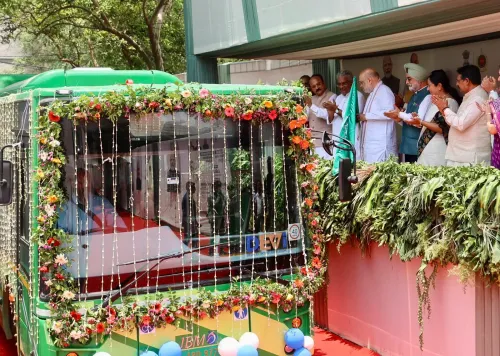
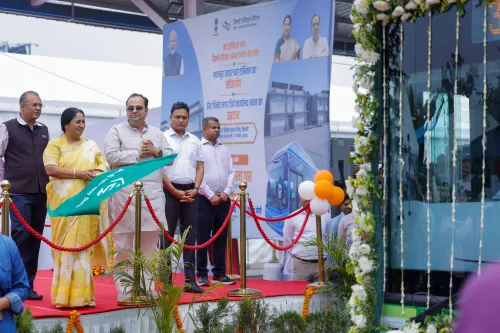
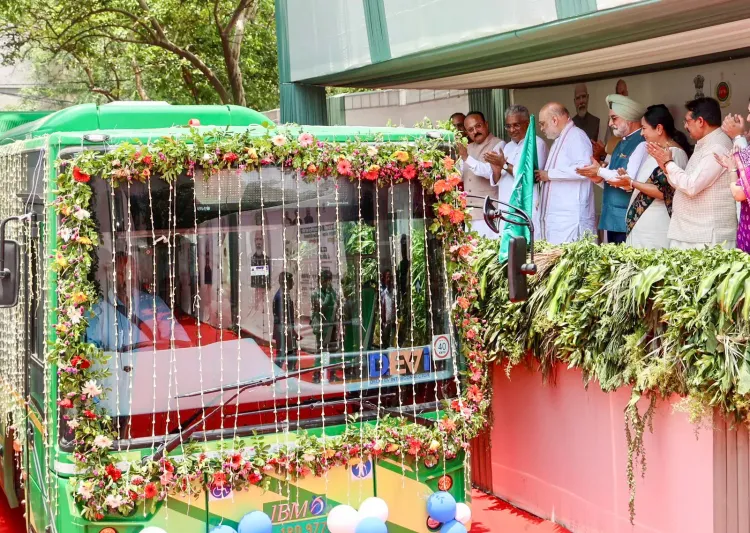
Amit Shah flagged off 300 new electric buses for the Delhi Transport Corporation (DTC) on 7 July .
The fleet includes 195 nine-metre DEVI buses and 105 twelve-metre electric buses , bringing Delhi's total electric bus count to 4,845 .
Delhi's overall public bus fleet now stands at nearly 6,600 buses ; the government targets 14,000 buses by 2028-29 .
Foundation stone laid for a high-security prison at Narela with capacity for 250+ inmates , featuring AI-CCTV, biometrics and anti-tunnelling technology.
The Home Ministry will fund ₹100 crore of the Narela prison project; the rest will be borne by the Delhi government .
A four-lane Automated Testing Station at Nand Nagri inaugurated, capable of testing 52,000 heavy/light vehicles and 20,000 two-wheelers annually.
Union Home and Cooperation Minister Amit Shah on Tuesday, 7 July flagged off 300 new zero-emission electric buses for the Delhi Transport Corporation (DTC) fleet, while also virtually laying the foundation stone for a high-security prison at Narela capable of housing more than 250 inmates. The twin inaugurations signal a significant push by the Centre to upgrade both public mobility and correctional infrastructure in the national capital.
New Electric Bus Fleet
The 300-bus addition comprises 195 nine-metre electric buses under the 'DEVI' category and 105 twelve-metre electric buses. All vehicles are low-floor, air-conditioned and designed for accessibility, including for persons with disabilities. Each bus is fitted with CCTV cameras, panic buttons, real-time GPS tracking and a passenger information system.
With this induction, Delhi's total public bus fleet has grown to nearly 6,600 buses — comprising 4,845 electric buses and 1,755 CNG buses. Chief Minister Rekha Gupta said the Delhi government aims to scale this up to a fleet of around 14,000 buses by 2028-29.
New Bus Depots Inaugurated
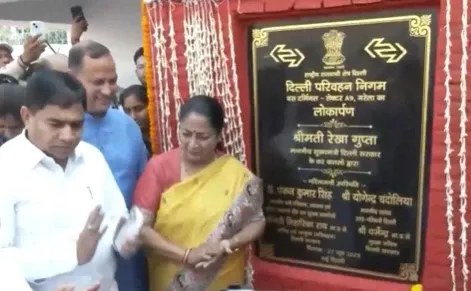
To support the expanded electric fleet, four new electric bus depots were inaugurated on the same day at Narela Sector A-1, Narela Sector A-4, Rithala and Kohat Enclave. The Narela depots together provide parking for 250 DEVI electric buses, while Rithala accommodates 90 buses and Kohat Enclave handles 30 buses, the latter focusing on feeder and last-mile connectivity.
Narela High-Security Prison: Key Features
The proposed High-Security Prison at Narela will be built on a radial-axial design, allowing monitoring of every wing from a single central control point. Each inmate will be housed in an individual cell with an independent toilet and bathing facility, minimising movement and reducing the risk of gang networking.
The facility will deploy AI-enabled CCTV surveillance, body-worn cameras, biometric access control, automated locking systems, full-body scanners, X-ray baggage scanners, mobile signal jammers, video conferencing facilities, an in-house court complex and anti-tunnelling technology. The Home Ministry will contribute ₹100 crore toward the project, with the remaining cost borne by the Delhi government.
Automated Vehicle Testing Station
A four-lane Automated Testing Station at the Nand Nagri DTC Depot was also inaugurated. The facility can conduct fitness tests for 52,000 heavy and light vehicles and 20,000 two-wheelers annually, covering brake performance, suspension, headlight alignment, side slip, emission levels and underbody inspection — all without human intervention. Officials said the station will improve transparency in road safety checks and generate non-fare revenue for DTC.
Who Was Present
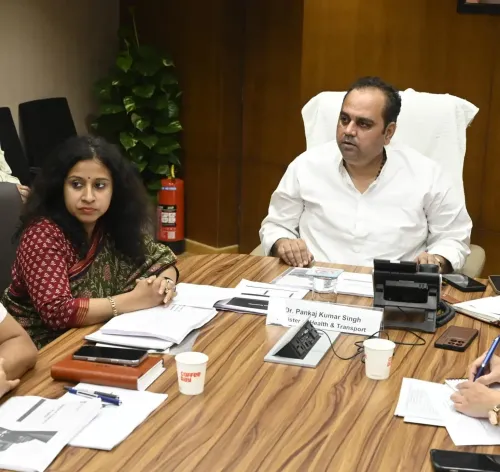
The event was attended by Union Minister of Environment, Forest and Climate Change Bhupender Yadav, Union Minister of State Harsh Malhotra, Lieutenant Governor Taranjit Singh Sandhu, Chief Minister Rekha Gupta and Delhi Cabinet Ministers Parvesh Verma, Ashish Sood, Manjinder Singh Sirsa and Pankaj Kumar Singh.
The developments collectively represent one of the most expansive single-day upgrades to Delhi's public infrastructure in recent years, with the electric bus target of 14,000 buses by 2028-29 now appearing more structurally grounded with dedicated depot capacity in place.
Point of View
But India's track record with AI-surveillance rollouts in correctional facilities is thin; the real test will be implementation and oversight, not the spec sheet. On the bus side, crossing 4,845 electric vehicles is a genuine milestone, but the gap to the 14,000-bus target by 2028-29 remains steep — requiring roughly 9,000 more buses in under four years, a pace that has historically eluded Delhi's fleet expansion plans.
NationPress
6 Oct 2026
Frequently Asked Questions
How many electric buses does Delhi now have after this addition?
Delhi's electric bus fleet has grown to 4,845 buses following the induction of 300 new zero-emission buses on 7 July. The total public bus fleet, including CNG vehicles, now stands at nearly 6,600 buses .
What is the DEVI category of electric buses?
The DEVI category refers to the nine-metre electric buses inducted into the DTC fleet. Of the 300 new buses flagged off on 7 July, 195 are DEVI-category buses , with the remaining 105 being larger 12-metre electric buses.
What makes the Narela High-Security Prison different from conventional jails?
The proposed Narela prison will use a radial-axial design allowing central monitoring of all wings, with each inmate in an individual cell. It will deploy AI-enabled CCTV, biometric access, anti-tunnelling technology and an in-house court complex — features largely absent from conventional Indian prisons.
How much will the Narela prison cost and who is funding it?
The Home Ministry will provide ₹100 crore for the Narela High-Security Prison project, with the remaining cost to be borne by the Delhi government . The total project cost was not specified in the official statement.
What is Delhi's target for its public bus fleet?
The Delhi government aims to build a fleet of around 14,000 buses by 2028-29 , according to Chief Minister Rekha Gupta . The current fleet stands at nearly 6,600 buses , meaning roughly 7,400 more buses need to be added over the next few years.