Shalimar Bagh midnight demolition: Opposition, clerics slam BJP over mosque razed at night
Synopsis
A midnight bulldozer run on the Madina Mosque in Delhi's Shalimar Bagh has reignited the national bulldozer debate, with Muslim clerics pointing to the Saharanpur Collectorate Mosque precedent and Opposition MPs warning of communal polarisation ahead of 2027 UP elections — while the BJP insists the action was purely legal and apolitical.
Key Takeaways
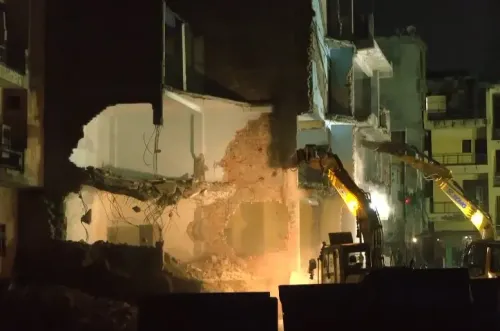
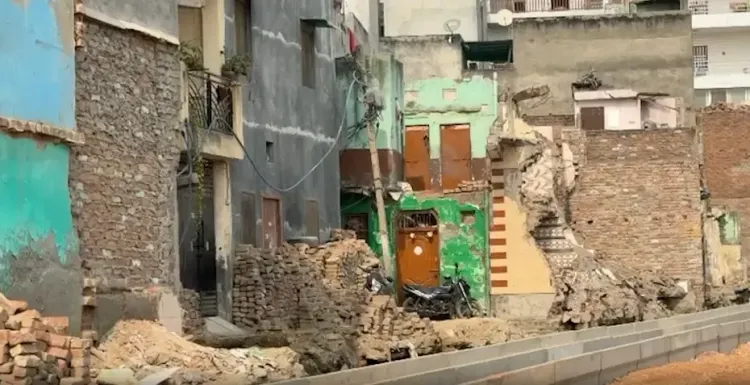
The Madina Mosque and adjoining structures in Shalimar Bagh, New Delhi were demolished in a midnight bulldozer action on 23 September 2026 .
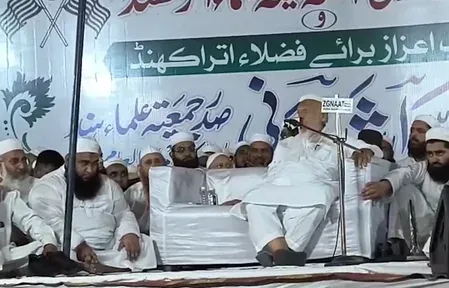
All India Imam Association President Maulana Sajid Rashidi questioned why lawful demolitions need to be carried out at night, drawing a parallel with the Saharanpur Collectorate Mosque case.
AIMIM Delhi President Shoaib Jamai alleged residents were not given time to retrieve the Holy Quran before the demolition began.
Samajwadi Party MP Awadhesh Prasad and Congress leader Abhishek Dutt accused the BJP of using demolitions to polarise voters ahead of the 2027 UP elections .
BJP MP Praveen Khandelwal defended the demolition as lawful and urged the Opposition not to give it a political colour.
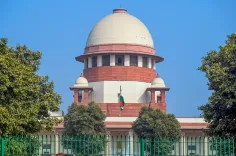
The Supreme Court has previously issued guidelines on demolitions requiring adequate notice and due process, raising questions about compliance in this case.
A midnight bulldozer action on the Madina Mosque and adjoining structures in Shalimar Bagh, New Delhi, on 23 September 2026 sparked sharp political and religious backlash, with Opposition leaders and Muslim clerics questioning the timing and intent of the demolition, while the ruling Bharatiya Janata Party (BJP) defended the action as lawful and said it should not be given a political colour.
The overnight demolition drew immediate condemnation from All India Imam Association President Maulana Sajid Rashidi, multiple Opposition MPs, and local community leaders, reigniting a national debate over the use of bulldozers against religious and residential structures.
What Clerics and Community Leaders Said
Maulana Sajid Rashidi questioned why the demolition was carried out at night if official orders were in place. 'You saw what happened in Saharanpur with the Collectorate Mosque. Although there were no demolition orders, it was demolished at around 3-4 am on the pretext of sealing it. The same thing has happened with the Shalimar mosque. If you have orders for the demolition, what difficulty is there in carrying it out during the day?' he said.
Rashidi alleged that such actions are deliberately timed to inflame communal tensions. 'There is a section among Hindus that does not want Muslims to live in India, does not want them to remain happy, and does not want Muslims living in India to freely practise their religion despite equal rights being granted by the Constitution,' he claimed.
AIMIM Delhi President Shoaib Jamai said that according to the mosque's Imam and local residents, those present were not even given time to retrieve the Holy Quran before the demolition began, calling it 'the height of oppression, secretly carrying out such actions in the dark without the knowledge of Delhi or the nation.'
Opposition Parties Pile On
Samajwadi Party MP Awadhesh Prasad linked the incident to electoral politics ahead of the 2027 Uttar Pradesh Assembly elections. 'The Bharatiya Janata Party only wants to remain in power in this country by dividing people, weakening the principle of unity in diversity, and spreading the poison of communalism in the state and the country,' he said, adding that the BJP would face a decisive defeat in the 2027 polls.
Congress leader Abhishek Dutt remarked that intimidating people had become the 'status symbol' of the BJP and questioned why the same demolition standard was not applied to accused persons involved in crimes against women in the capital or those allegedly involved in donation theft at Ayodhya's Ram Temple. 'This government is only engaged in diverting attention from real issues and creating differences between Hindus and Muslims, rather than ensuring safety of women,' he said.
BJP Defends the Action
BJP MP Praveen Khandelwal pushed back against the criticism, maintaining that the demolition was carried out strictly in accordance with the law and after consultation with the relevant religious committee. 'If the action was taken in accordance with the law, then I believe the concerned religious committee must also have been consulted. Whatever happened was certainly done according to the circumstances. And, if there is any illegal construction, action is taken against it as per the law,' he said, urging opponents not to politicise the matter.
Broader Context: The Bulldozer Controversy
The Shalimar Bagh demolition is the latest in a series of high-profile overnight bulldozer actions targeting structures near or within religious sites that have drawn scrutiny from civil society groups and courts. Notably, the Supreme Court has previously issued guidelines cautioning against demolitions without adequate notice and due process. Critics argue that the concentration of such actions on minority-owned structures reflects a pattern; authorities maintain they are purely law-enforcement measures applied uniformly. The episode is likely to intensify calls for a standardised, transparent demolition protocol with daylight-hours compliance and mandatory advance notice, issues that legal advocates say are unresolved despite judicial intervention.
How the municipal and judicial processes respond to the Shalimar Bagh case in the coming days will determine whether this becomes a flashpoint for fresh legal challenges or fades as another contested chapter in the ongoing national debate over demolition politics.
Point of View
There is no operational necessity for a 3 am action — and the BJP's own MP could not offer one, only the assertion that it was lawful. The Saharanpur parallel that Maulana Rashidi draws is pointed: a pattern of late-night demolitions targeting Muslim religious sites, regardless of legal merit, creates a de facto chilling effect that courts have warned against. The deeper accountability gap is the absence of any publicly available demolition notice, consultation record, or compliance certificate — the very documentation that would settle the 'legal or not' question definitively and that neither side has yet produced for public scrutiny.
NationPress
23 Sept 2026
Frequently Asked Questions
What happened at the Madina Mosque in Shalimar Bagh?
The Madina Mosque and adjoining structures in Delhi's Shalimar Bagh were demolished in a midnight bulldozer action on 23 September 2026. Authorities cited illegal construction as the basis for the action, while community members and Opposition leaders disputed the process and timing.
Why are Muslim clerics and Opposition parties objecting to the Shalimar Bagh demolition?
Critics, including All India Imam Association President Maulana Sajid Rashidi, argue that if demolition orders existed, there was no justification for conducting the action at night rather than during daylight hours with adequate notice. They allege the timing is intended to provoke communal tensions and intimidate minority communities.
What is the BJP's position on the demolition?
BJP MP Praveen Khandelwal said the demolition was carried out strictly in accordance with the law and after consulting the relevant religious committee. He called on the Opposition to refrain from giving the matter a political colour.
Has this kind of midnight mosque demolition happened before?
Maulana Sajid Rashidi drew a direct parallel with the Saharanpur Collectorate Mosque, which he said was demolished at around 3-4 am on the pretext of sealing it despite the absence of demolition orders. Critics argue a pattern exists of overnight actions targeting minority religious structures.
What legal standards apply to demolitions like this?
The Supreme Court has previously issued guidelines requiring adequate notice and adherence to due process before any demolition. Advocates contend that overnight actions with no advance notice to occupants — who in this case reportedly could not retrieve religious texts — raise serious questions about compliance with those judicial directives.