Shekhawat hails Cabinet move to strengthen aviation sector
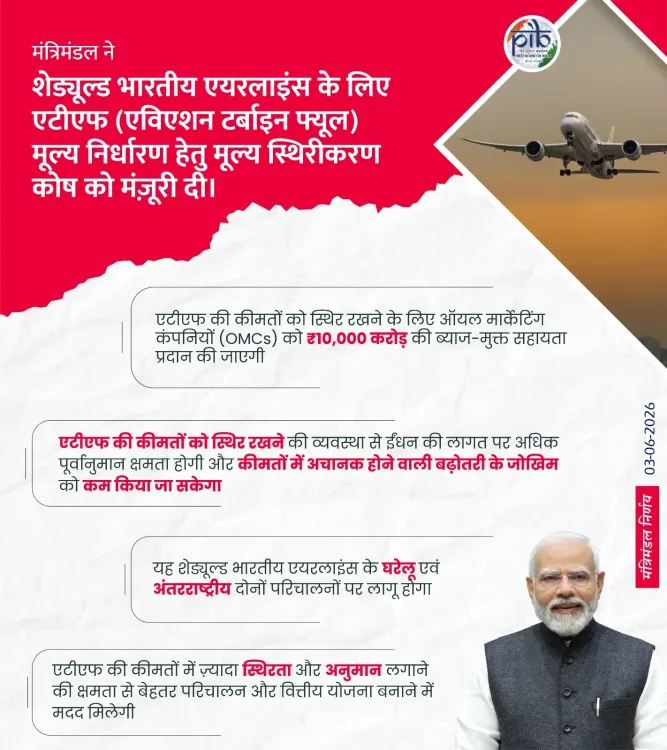
Synopsis
Union Culture and Tourism Minister Gajendra Singh Shekhawat welcomed a fresh Union Cabinet decision to strengthen India's civil aviation sector, calling passenger convenience paramount. His post on X, tagged #CabinetDecisions, signals continued government focus on aviation infrastructure as a pillar of the broader tourism and regional connectivity push anchored in the 2016 civil aviation policy.
Key Takeaways
Union Culture and Tourism Minister Gajendra Singh Shekhawat backed a fresh Union Cabinet decision on aviation on 3 June 2026.
He described passenger convenience as paramount and called the move a strong step to strengthen the aviation sector.
The post, in Hindi, was tagged #CabinetDecisions, the standard hashtag used after weekly Cabinet meetings.
The decision fits within the National Civil Aviation Policy 2016 framework and the UDAN regional connectivity scheme launched the same year.
Stakeholders include air passengers, regional airlines, airport operators and the tourism industry.
Detailed contours are expected via a Ministry of Civil Aviation press release.
Union Culture and Tourism Minister Gajendra Singh Shekhawat on Wednesday, 3 June 2026 welcomed a fresh Union Cabinet decision aimed at strengthening India's civil aviation sector, framing it as a step that places passenger convenience at the centre of policy. In a post on X tagged #CabinetDecisions, the senior BJP leader and Lok Sabha MP from Jodhpur signalled the government's continued focus on aviation infrastructure as a pillar of the broader tourism and connectivity push.
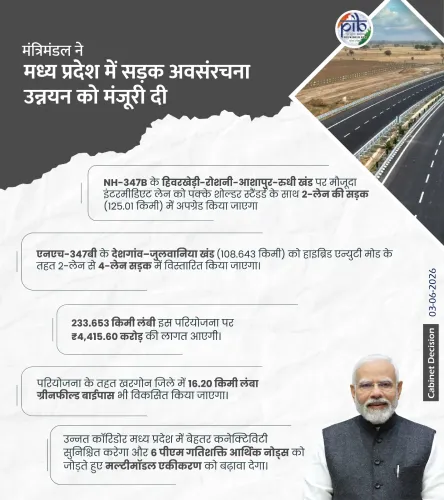
Writing in Hindi, Shekhawat said 'Yatriyon ki suvidha sarvopari: Vimanan kshetra ko mazboot banane ke liye ek aur mazboot kadam!' ('Passenger convenience is paramount: another strong step to strengthen the aviation sector!'). The post, accompanied by an image, did not list the specific approvals but flagged them under the standard cabinet-decisions tag used after weekly meetings of the Union Cabinet.
Context
Shekhawat's remarks land at a time when domestic air travel has been on a sustained growth trajectory, and the Union government has been issuing periodic approvals tied to airport expansion, route awards and passenger facilitation. As Culture and Tourism Minister, his endorsement of an aviation decision underscores the tight link between connectivity and tourism flows, particularly to heritage and pilgrimage circuits.
The minister represents Jodhpur, a tourism hub in Rajasthan that has itself benefited from expanded air links in recent years. His framing of the decision as 'passenger-first' echoes the language the Ministry of Civil Aviation has consistently used while announcing service quality and infrastructure measures.
Policy backdrop
India's aviation push is anchored in the National Civil Aviation Policy 2016, which set goals for passenger growth, airport development and ease-of-travel measures. The flagship regional connectivity scheme UDAN (Ude Desh ka Aam Naagrik), launched in 2016, has since subsidised routes to smaller cities and aimed to make flying affordable for first-time flyers.
Successive cabinets have layered on approvals for greenfield airports, brownfield expansions and concession agreements, alongside passenger charter norms and security upgrades. These decisions are routinely surfaced on social media via the #CabinetDecisions hashtag, with ministers amplifying them to their constituencies.
Stakeholders and impact
The principal beneficiaries of aviation-sector measures are air passengers, regional and full-service carriers, airport operators and the tourism industry. For the Ministry of Tourism, which Shekhawat heads alongside Culture, stronger air links directly translate into higher footfalls at destinations ranging from the Golden Triangle to the Northeast and the Andaman and Nicobar Islands.
Regional airlines, in particular, have leaned on policy support to sustain thin routes, while state governments have lobbied for new airports and night-landing facilities to widen tourist access. Any cabinet step calibrated around passenger convenience — whether on fares, baggage rules, refunds or facilitation at airports — tends to ripple quickly through these stakeholder groups.
What's next
A detailed press release from the Ministry of Civil Aviation is expected to spell out the exact contours of the latest approval, including financial outlays, timelines and the specific projects or norms cleared. Parliamentary scrutiny is also likely, with aviation-related questions a recurring feature of the monsoon session.
For Shekhawat, the post fits a pattern of senior ministers using X to project the Cabinet's infrastructure agenda to a wider audience. With tourism arrivals tied closely to air connectivity, the alignment between his portfolio and aviation policy is likely to remain a recurring theme in the government's messaging through the coming months.
Point of View
The BJP is reinforcing a decade-long narrative that ties aviation expansion to aspirational mobility for tier-2 and tier-3 India. That a Culture and Tourism Minister is amplifying an aviation decision also signals how integrated tourism and connectivity have become in the ruling party's economic pitch. The real test will be whether the detailed approvals match the rhetorical ambition.
NationPress
18 Oct 2026
Frequently Asked Questions
What did Gajendra Singh Shekhawat say about the aviation sector?
He said passenger convenience is paramount and welcomed a fresh Union Cabinet decision as another strong step to strengthen India's civil aviation sector. The post was made on X on 3 June 2026 and tagged #CabinetDecisions.
Which ministry does Gajendra Singh Shekhawat head?
Gajendra Singh Shekhawat is the Union Minister of Culture and Tourism in the Government of India. He is also a senior BJP leader and Lok Sabha MP from Jodhpur, Rajasthan.
What is the UDAN scheme in Indian aviation?
UDAN, short for Ude Desh ka Aam Naagrik, is a regional connectivity scheme launched in 2016. It subsidises routes to smaller cities to make air travel affordable and expand connectivity beyond metro hubs.
What is the National Civil Aviation Policy 2016?
The National Civil Aviation Policy 2016 is India's overarching aviation framework. It sets targets for passenger growth, airport development, regional connectivity and passenger facilitation, and underpins subsequent Cabinet decisions in the sector.
Why does a Tourism Minister comment on aviation decisions?
Tourism in India is closely tied to air connectivity, with stronger air links boosting footfalls at heritage, pilgrimage and leisure destinations. As Culture and Tourism Minister, Shekhawat's portfolio benefits directly from aviation-sector strengthening.