Shekhawat greets nation on Ganga Dussehra, hails sacred river
Synopsis
Union Culture and Tourism Minister Gajendra Singh Shekhawat marked Ganga Dussehra on 25 May 2026 with a Sanskrit verse and devotional greetings, paying tribute to the Ganga on the day of her mythological descent to earth and highlighting the river's enduring spiritual and cultural significance.
Key Takeaways
Gajendra Singh Shekhawat , Union Minister of Culture and Tourism, extended greetings on Ganga Dussehra on 25 May 2026 .
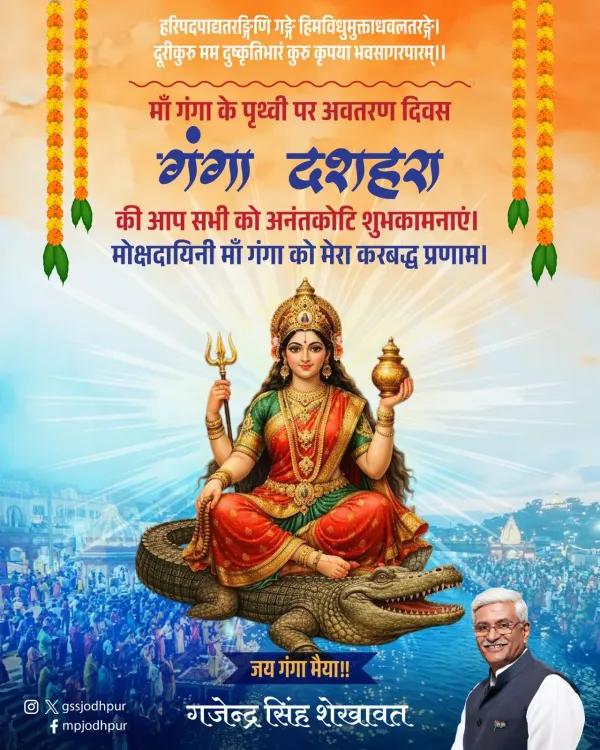
He shared a Sanskrit couplet invoking the Ganga as a purifier of sins and a guide across the 'ocean of existence'.
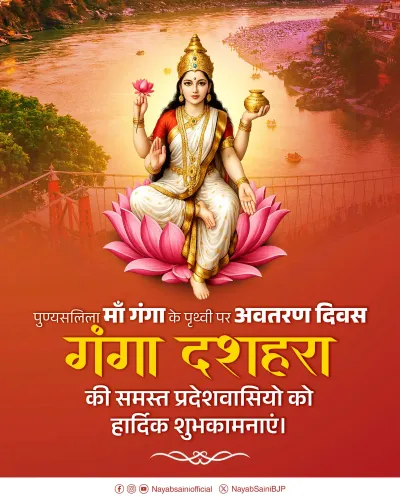
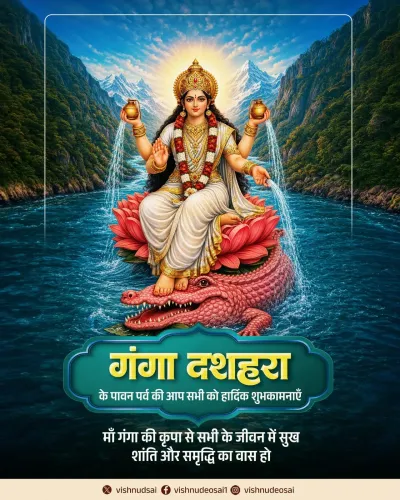
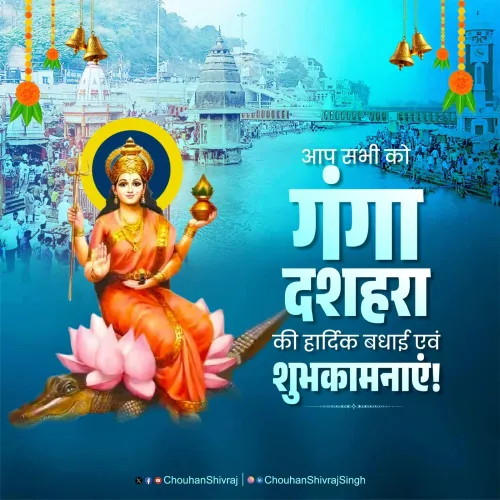
Ganga Dussehra marks the mythological descent of the river goddess to earth, observed on the tenth day of the waxing moon in Jyeshtha .
The occasion is linked to the government's Namami Gange programme, launched in 2015 , which combines river conservation with cultural reverence.
The festival draws millions of pilgrims to Ganga ghats across Uttarakhand , Uttar Pradesh , Bihar , and West Bengal , with significant tourism and economic impact.
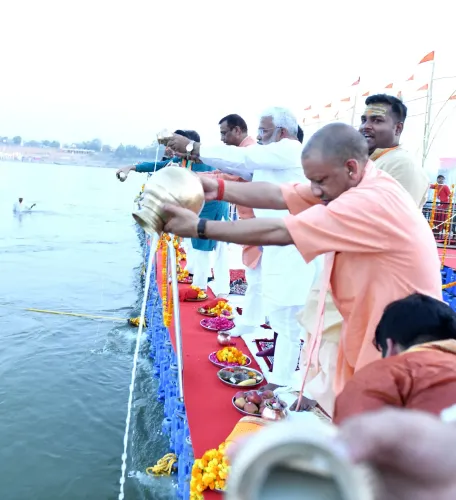
Union Culture and Tourism Minister Gajendra Singh Shekhawat extended greetings to the nation on the occasion of Ganga Dussehra on Monday, 25 May 2026, paying devotional tribute to the Ganga as a bestower of liberation and urging reverence for the sacred river.
Context
Shekhawat shared a Sanskrit verse and a Hindi message on the occasion, which marks the mythological descent of the Ganga to earth. The Sanskrit couplet, rendered in English, reads: 'Haripada-padya-tarangini Gange, hima-vidhu-mukta-dhavala-tarange' — 'O Ganga, whose waves flow from the feet of Hari, white as moonlit pearls from the Himalayas — remove the burden of my misdeeds and, by your grace, carry me across the ocean of existence.' He extended 'anant koti' (countless) greetings to all on what he called the 'avatar diwas' — the day of the river goddess's arrival on earth — and offered his 'karbaddha pranam' (joined-hands salutation) to Maa Ganga.
Ganga Dussehra is observed on the tenth day (dashami) of the waxing fortnight of the Hindu month of Jyeshtha. It is one of the most significant riverine festivals in the Hindu calendar, drawing millions of pilgrims to the ghats of Varanasi, Haridwar, Prayagraj, and other towns along the Ganga basin.
Policy Backdrop
The minister's tribute comes against the backdrop of the central government's flagship Namami Gange programme, launched in 2015, which integrates pollution abatement, conservation, and sustainable development across the Ganga basin. The scheme has sought to align the river's spiritual stature with concrete environmental action, linking devotion to the river with its ecological restoration.
Successive central governments have also promoted riverfront ghats and heritage corridors along the Ganga under broader tourism and the Swachh Bharat Mission frameworks. As the minister overseeing both culture and tourism portfolios, Shekhawat's public messaging on festivals such as Ganga Dussehra reinforces this convergence of religious heritage and state-led conservation initiatives.
Stakeholders and Impact
The occasion directly concerns millions of pilgrims, river-basin communities, and the tourism sector dependent on the Ganga's ghats and heritage sites. Festivals like Ganga Dussehra generate significant footfall at pilgrimage towns, with downstream benefits for local economies, hospitality, and cultural tourism circuits promoted by the Ministry of Tourism.
For communities living along the Ganga — from Uttarakhand through Uttar Pradesh, Bihar, Jharkhand, and West Bengal — the festival carries both spiritual and civic significance, often serving as a moment of public engagement with river-cleanliness campaigns.
What's Next
Observers will watch for any follow-up announcements tied to Ganga Dussehra — including updates on the Namami Gange programme's progress or new tourism circuit notifications along the river corridor. The monsoon session of Parliament typically provides a platform for the government to present updates on river rejuvenation outcomes. Minister Shekhawat's continued public engagement with the Ganga's cultural identity signals that the river will remain central to India's heritage tourism narrative through the coming year.
Point of View
Particularly around heritage rivers and pilgrimage circuits. By invoking a Sanskrit verse alongside Hindi greetings, the minister signals the government's dual audience — the devout and the culturally aware urban voter. The timing also serves the Namami Gange programme's public legitimacy: associating the scheme with a high-sentiment festival reinforces the narrative that conservation and devotion are complementary. For the Culture and Tourism portfolio, such messaging positions India's sacred rivers as both living heritage assets and tourism drivers, a framing that is likely to intensify ahead of major pilgrimage seasons.
NationPress
16 Sept 2026
Frequently Asked Questions
What is Ganga Dussehra and why is it celebrated?
Ganga Dussehra marks the mythological descent of the river Ganga to earth, observed on the tenth day of the waxing fortnight of the Hindu month of Jyeshtha. Devotees take ritual dips at ghats in Haridwar, Varanasi, and Prayagraj, believing the act cleanses sins.
What did Gajendra Singh Shekhawat say on Ganga Dussehra 2026?
Shekhawat shared a Sanskrit verse seeking the Ganga's grace to remove the burden of misdeeds and extended 'anant koti' greetings on the occasion, calling it the 'avatar diwas' — the day of the river goddess's descent to earth.
What is the Namami Gange programme?
Namami Gange is a central government flagship scheme launched in 2015 for the pollution abatement, conservation, and sustainable development of the Ganga basin, integrating environmental action with the river's cultural and spiritual significance.
Which ministry does Gajendra Singh Shekhawat head?
Gajendra Singh Shekhawat is the Union Minister of Culture and Tourism, a senior BJP leader and Lok Sabha MP from Jodhpur, Rajasthan.
Where are the main Ganga Dussehra celebrations held in India?
Major Ganga Dussehra observances take place at riverfront ghats in Haridwar, Varanasi, and Prayagraj, drawing large numbers of pilgrims from across the Ganga basin states including Uttarakhand, Uttar Pradesh, Bihar, and West Bengal.