Shekhawat hails PM Modi's launch of 75 redeveloped stations

Synopsis
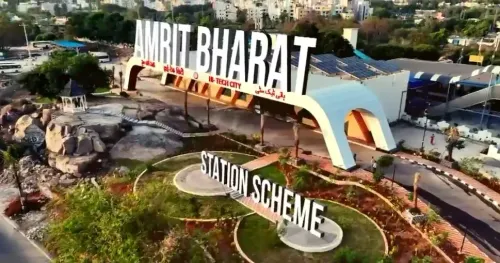
Union Culture and Tourism Minister Gajendra Singh Shekhawat welcomed PM Modi's launch of 75 redeveloped railway stations across 20 states under the Amrit Bharat Station Scheme, costing ₹1,570 crore, designed to fuse modern amenities with local cultural heritage and boost regional tourism.
Key Takeaways
PM Narendra Modi inaugurated 75 redeveloped railway stations across 20 states on 17 July 2026 .
The stations were developed at a combined cost of approximately ₹1,570 crore under the Amrit Bharat Station Scheme .
Each station features Divyangjan-friendly infrastructure, modern passenger amenities, and local cultural design elements.
The Amrit Bharat Station Scheme , announced in Union Budget 2023-24 , targets redevelopment of 1,275 stations nationwide.
Minister Shekhawat framed the initiative as a driver of tourism, local economies, and regional development .
The programme is part of the broader 'Viksit Bharat' infrastructure and heritage integration agenda.
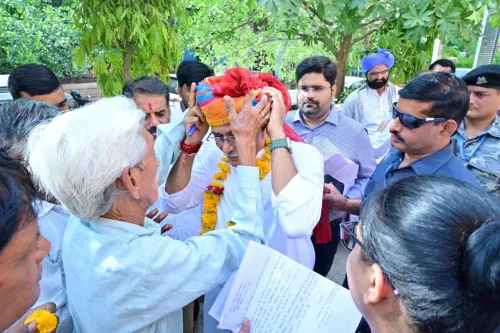
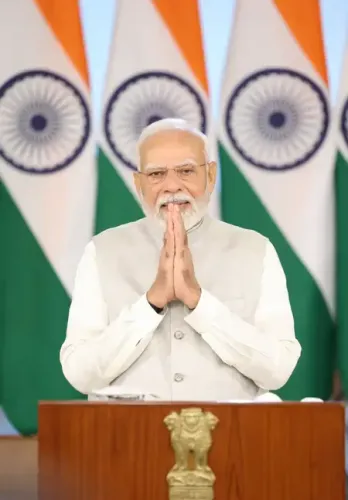
Union Culture and Tourism Minister Gajendra Singh Shekhawat on Friday, 17 July 2026 lauded Prime Minister Narendra Modi's inauguration of 75 redeveloped railway stations across 20 states under the Amrit Bharat Station Scheme, calling the initiative a blend of heritage and modernity that signals the arrival of a new era in passenger travel.
Context
Posting on X in Hindi, Shekhawat described the event as 'विरासत और विकास के साथ अप्रतिम आधुनिक यात्रा अनुभव की शुरुआत' — 'the beginning of an unparalleled modern travel experience rooted in heritage and development.' He noted that the 75 stations, developed at a cost of approximately ₹1,570 crore, will offer passengers easier access, facilities tailored for persons with disabilities (Divyangjan), and a range of modern services.
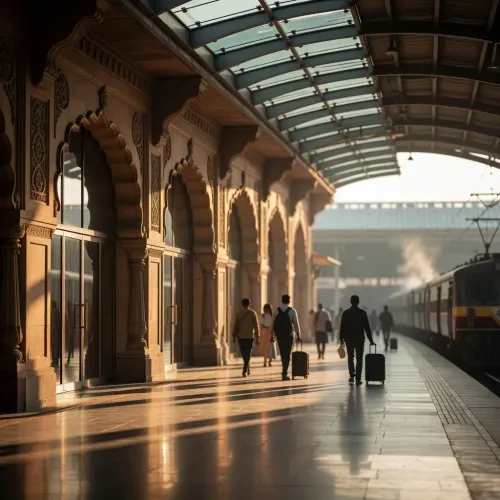
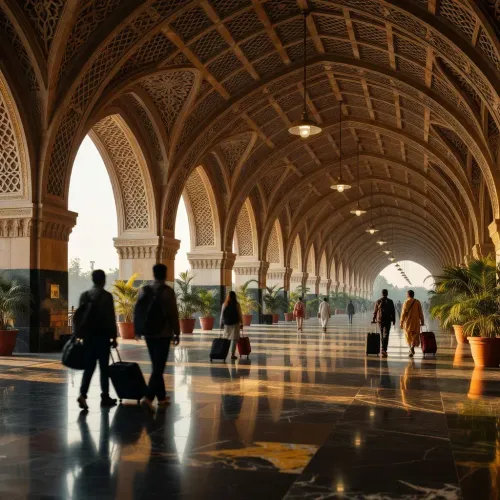
The minister specifically highlighted that the stations are being designed to reflect local culture and heritage, positioning them as more than transit points — as cultural landmarks that can drive regional tourism and economic activity.
Policy Backdrop
The Amrit Bharat Station Scheme was announced in the Union Budget 2023-24 with an ambitious mandate to redevelop 1,275 railway stations across the country. Indian Railways, the national transporter, has been executing the programme in tranches, embedding regional architectural motifs and cultural elements into each station's design alongside functional upgrades.
The scheme sits within the broader 'Viksit Bharat' (Developed India) framework that the central government has used to anchor its infrastructure agenda. Comparable upgrades at airports, highways, and metro corridors have similarly paired functionality with heritage branding — a pattern that Shekhawat's ministry has actively championed given its mandate over culture and tourism.
Railway modernisation has featured prominently across successive Union budgets and in the PM Gati Shakti national master plan, which seeks to integrate transport infrastructure planning across ministries to maximise economic multiplier effects.
Stakeholders and Impact
The most immediate beneficiaries are the millions of daily railway passengers who use the redeveloped stations, particularly Divyangjan for whom dedicated accessibility infrastructure is being built in. Local economies around each station stand to gain from increased footfall, improved connectivity, and the tourism pull that a culturally distinctive station can generate.
For Shekhawat's ministry, the redevelopment programme represents a tangible policy intersection: infrastructure investment that simultaneously serves as a vehicle for cultural promotion and a driver of inbound domestic tourism. Stations showcasing regional art, architecture, and crafts can function as the first point of cultural contact for travellers arriving in a new city or district.
What's Next
With 75 stations inaugurated in this tranche, attention will now turn to the rollout timeline for the remaining stations under the 1,275-station Amrit Bharat Station Scheme target. Linked state tourism budgets and any heritage-corridor announcements in the next fiscal cycle will be closely watched as indicators of how deeply the culture-infrastructure convergence is being institutionalised.
If the model of culturally embedded, accessibility-compliant station redevelopment scales as planned, it could reshape how Indians experience rail travel — turning stations from purely functional nodes into destinations that reflect the identity of the regions they serve.
Point of View
Shekhawat is reinforcing the Culture Ministry's stake in infrastructure policy, positioning heritage integration not as an aesthetic add-on but as a core development tool. The move deepens the BJP government's 'soft power through infrastructure' playbook, where transport nodes double as cultural ambassadors. The real test will be whether subsequent tranches maintain design quality and accessibility standards at scale, or whether the heritage branding fades as the programme expands.
NationPress
17 Jul 2026
Frequently Asked Questions
What is the Amrit Bharat Station Scheme?
The Amrit Bharat Station Scheme is a central government programme announced in Union Budget 2023-24 to redevelop 1,275 railway stations across India with modern passenger amenities, accessibility features for Divyangjan, and designs reflecting local cultural heritage.
How many stations were inaugurated by PM Modi on 17 July 2026?
PM Narendra Modi inaugurated 75 redeveloped railway stations spanning 20 states on 17 July 2026 under the Amrit Bharat Station Scheme.
What is the cost of the 75 redeveloped stations?
The 75 stations were developed at a combined cost of approximately ₹1,570 crore.
What facilities will the Amrit Bharat redeveloped stations offer?
The redeveloped stations will provide easier passenger access, Divyangjan-friendly infrastructure, modern services, and design elements that reflect regional culture and heritage, with the aim of boosting local tourism and economic activity.
What did Culture Minister Shekhawat say about the station inaugurations?
Minister Gajendra Singh Shekhawat described the event as the beginning of an unparalleled modern travel experience rooted in heritage and development, and said the stations would become important centres driving tourism, local economies, and regional growth.