Shekhawat honours 106 young artists at Bismillah Khan Yuva Puraskar
Synopsis
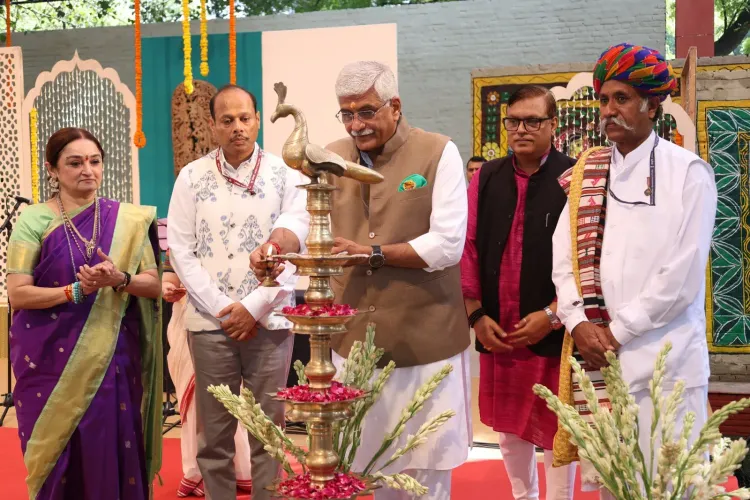
Union Culture Minister Gajendra Singh Shekhawat presided over the Ustad Bismillah Khan Yuva Puraskar ceremony in New Delhi on 19 October 2026, felicitating 106 young artists across the 2024 and 2025 award cycles as part of Sangeet Natak Akademi's flagship youth-recognition programme.
Key Takeaways
106 young artists were honoured at a combined 2024 and 2025 edition of the Ustad Bismillah Khan Yuva Puraskar in New Delhi on 19 October 2026 .
The award is administered by Sangeet Natak Akademi , the national academy of music, dance and drama under the Ministry of Culture.
The prize targets emerging performers under 40 years of age across music, dance, theatre, and allied disciplines.
Union Minister Gajendra Singh Shekhawat attended and linked the initiative to PM Modi's commitment to providing young artists new platforms and opportunities.
The ministry frames the award as a tool for ensuring cultural continuity by connecting classical and traditional art forms with the next generation.
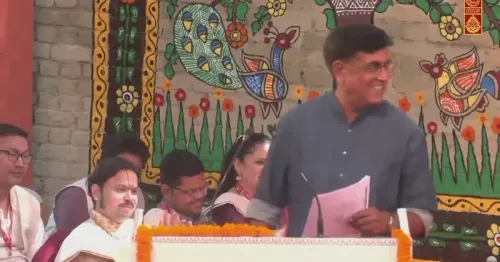
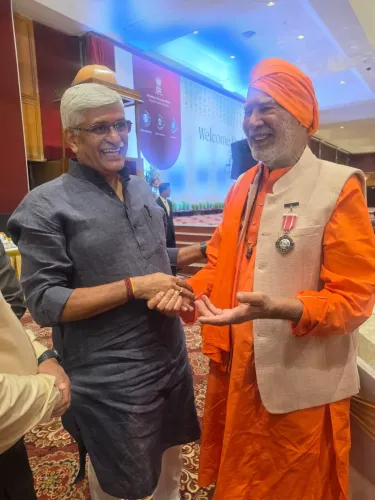
India's living classical traditions met their next custodians on Monday, 19 October 2026, when 106 young artists were felicitated at the Ustad Bismillah Khan Yuva Puraskar ceremony — covering the award cycles for both 2024 and 2025 — in New Delhi. Union Culture and Tourism Minister Gajendra Singh Shekhawat presided over the event and described the gathering as one that refilled him with the same youthful energy the awardees themselves embody.
A double-year ceremony at Sangeet Natak Akademi
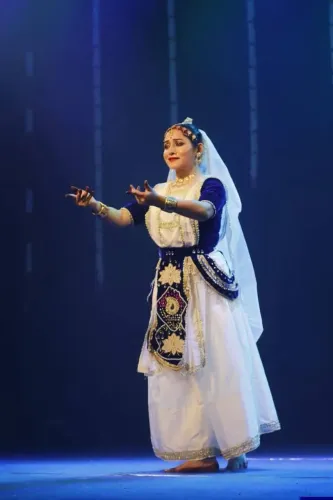
The event, organised by the Sangeet Natak Akademi — the national academy of music, dance, and drama under the Ministry of Culture — recognised emerging talent across performing-arts disciplines including music, dance, and theatre. By combining two annual cycles into one ceremony, the event spotlighted a concentrated cohort of the country's most promising artists under 40, the eligibility threshold for the award. Minister Shekhawat noted the occasion in a post on X, writing 'इस अवसर पर मौजूद रहना मुझे भी युवा उत्साह से लब्ध कर गया' — 'Being present at this occasion filled me too with youthful enthusiasm.'
The Ustad Bismillah Khan Yuva Puraskar — what it means to win it
The award is named after Ustad Bismillah Khan, the legendary shehnai maestro and Bharat Ratna recipient, and carries with it both a cash component and, more significantly, the imprimatur of the country's premier performing-arts institution. Since its institution, it has served as Sangeet Natak Akademi's primary instrument for identifying and amplifying emerging talent — an early-career signal that has historically opened doors to larger platforms, residencies, and cultural-exchange opportunities. The award explicitly targets artists who have not yet crossed the threshold to establishment recognition, making it a crucial bridge between apprenticeship and national visibility.
Youth, 'Viksit Bharat,' and the cultural policy thread
Minister Shekhawat situated the ceremony within the government's broader developmental vocabulary, invoking Prime Minister Narendra Modi's stated resolve to create new opportunities for young artists to pursue their practice and creativity. 'The role of young artists in transmitting our rich arts and cultural traditions to the new generation — and taking them to new dimensions — is extremely important,' he said. This framing, linking classical-arts patronage to the 'Viksit Bharat' (Developed India) narrative, reflects the Ministry of Culture's consistent approach of presenting cultural continuity and youth empowerment as complementary rather than competing goals. The ministry has deployed targeted awards schemes, digital-archiving initiatives, and performance grants as its principal policy levers in this direction.
For 106 young artists on stage in New Delhi on Monday, however, the macro-policy frame was secondary. The stage belonged to them — and to the traditions they are now charged with carrying forward.
Point of View
The Ministry of Culture amplified the programme's visibility at a moment when the government is keen to brand 'Viksit Bharat' as much a cultural as an economic project. Invoking PM Modi's 'firm resolve' in this context reflects a deliberate effort to embed arts patronage within the ruling party's development narrative ahead of a period of heightened political activity. The Sangeet Natak Akademi's role as executor keeps the initiative institutionally grounded, but the ministerial presence and the Modi attribution underscore that the optics of cultural nationalism remain a live political asset for the BJP.
NationPress
19 Oct 2026
Frequently Asked Questions
What is the Ustad Bismillah Khan Yuva Puraskar?
The Ustad Bismillah Khan Yuva Puraskar is an annual award instituted by the Sangeet Natak Akademi to recognise outstanding young artists under 40 years of age in music, dance, theatre and related performing-arts fields. It is named after the legendary shehnai maestro and Bharat Ratna awardee Ustad Bismillah Khan.
How many artists were honoured at the 2026 ceremony?
A total of 106 young artists were felicitated at the ceremony held in New Delhi on 19 October 2026 , which covered both the 2024 and 2025 award cycles together.
Who is Gajendra Singh Shekhawat?
Gajendra Singh Shekhawat is the Union Minister of Culture and Tourism in the Government of India, a senior BJP leader, and a Lok Sabha MP representing Jodhpur, Rajasthan .
Which organisation administers the Ustad Bismillah Khan Yuva Puraskar?
The award is administered by the Sangeet Natak Akademi , India's national academy of music, dance and drama, which functions under the Ministry of Culture, Government of India .
What is the government's stated goal behind this award?
The Ministry of Culture positions the award as a vehicle to ensure that India's classical and traditional art forms are transmitted to younger generations and evolve into new dimensions, linking it to Prime Minister Modi's commitment to creating opportunities for young artists as part of the 'Viksit Bharat' vision.