Shekhawat Shares PM Modi's Call for Swachhata as Daily Habit in Jind
Synopsis
Union Minister Gajendra Singh Shekhawat shared PM Modi's address from Jind, Haryana, where the Prime Minister praised community-led cleanliness efforts and urged residents to make Swachhata a permanent cultural value — not a response to official visits — under the Swachh Bharat Abhiyan framework.
Key Takeaways
PM Modi praised the people of Jind and Haryana for embracing the Swachhata Se Swagat initiative with 'fresh energy' ahead of his visit.
Modi challenged citizens directly: 'Is it necessary for Modi to come for this cleanliness?' — urging community ownership over government-driven action.
The message calls for making swachhata a sanskar (cultural value) and a part of daily life, reflecting the Swachh Bharat Abhiyan 's shift from infrastructure to behaviour.
The Swachh Bharat Mission , launched on 2 October 2014 , was extended as SBM-Urban 2.0 with sustained behavioural change as a central goal.
Union Minister Gajendra Singh Shekhawat amplified the message on X, connecting the BJP's governance narrative to grassroots cleanliness participation in Haryana .
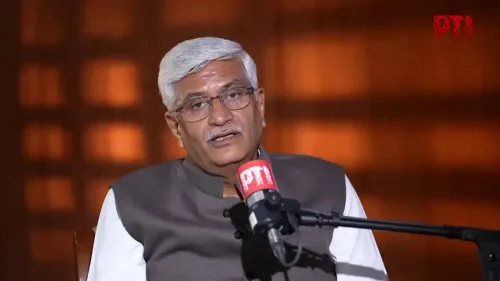
Union Culture and Tourism Minister Gajendra Singh Shekhawat on Friday, 17 July 2026, shared a message from Prime Minister Narendra Modi on X, highlighting community-led cleanliness efforts in Jind, Haryana and calling on residents to make Swachhata a permanent personal value rather than an event-driven exercise.
Context
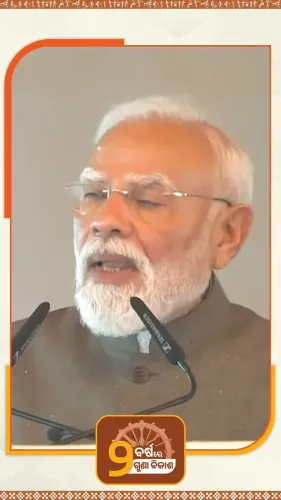
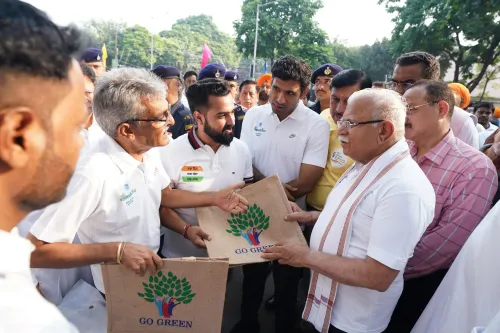
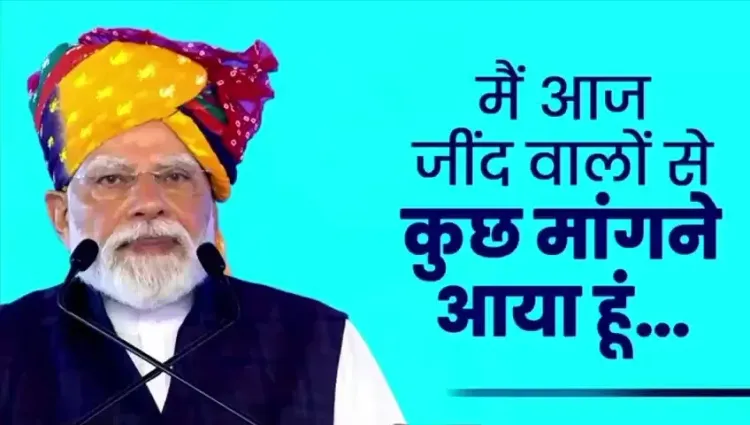
The post quotes PM Modi directly, expressing his admiration for the enthusiasm with which the people of Jind and Haryana embraced a Swachhata Se Swagat (cleanliness-as-welcome) initiative ahead of his visit. Modi is quoted as saying: 'The seriousness with which the people of Jind and Haryana have taken the Swachhata Se Swagat initiative, the fresh energy with which people here joined the cleanliness drive before my arrival — it is truly heartening.'
He posed a pointed rhetorical question to the gathering: 'Is it necessary for Modi to come for this cleanliness? If the people of Jind and Haryana decide that we will not litter anymore, then Jind and Haryana can never become dirty again.' The remark is aimed squarely at shifting ownership of cleanliness from government campaigns to citizen behaviour.
Policy Backdrop
The message is rooted in the Swachh Bharat Abhiyan, launched by PM Modi on 2 October 2014 — the birth anniversary of Mahatma Gandhi — with the goal of making India open-defecation-free and building a culture of hygiene nationwide. The mission met its initial 2019 targets and was extended as SBM-Urban 2.0, which places greater emphasis on sustaining behavioural change beyond infrastructure creation.
The quoted speech reflects a deliberate pivot in the mission's messaging: from building toilets and waste facilities to embedding swachhata as sanskar — a deeply held cultural value. Modi's words, as shared by Shekhawat, encapsulate this shift: 'We will make cleanliness our nature, we will make cleanliness our sanskar, we will make cleanliness a part of our daily lives in the same way.'
Stakeholders and Impact
The primary audience is the residents of Jind district and, by extension, the broader population of Haryana. The call to action is community-wide: citizens are asked to treat public cleanliness as a personal responsibility rather than a response to institutional pressure or the arrival of a senior leader.
For Haryana, the spotlight carries practical implications. State-level Swachhata rankings under the Swachh Survekshan framework reward consistent citizen participation, and a high-profile endorsement from the Prime Minister can galvanise local administrations to sustain momentum beyond the immediate occasion.
What's Next
The emphasis on citizen-led ownership signals that central leadership will continue to monitor SBM-Urban 2.0 implementation targets across Haryana, with particular attention to whether districts like Jind can maintain cleanliness standards independently of periodic high-profile interventions. State-level Swachhata survey results will be a key metric to watch in the months ahead.
Point of View
A politically significant state for the BJP, provides a visible stage for this messaging ahead of continued focus on governance delivery.
NationPress
17 Jul 2026
Frequently Asked Questions
What is the Swachhata Se Swagat initiative mentioned by PM Modi in Jind?
The Swachhata Se Swagat initiative refers to a community-led cleanliness drive undertaken by residents of Jind, Haryana, as a form of welcome ahead of a visit by Prime Minister Narendra Modi. The exact contours of the initiative have not been detailed in official public records, but PM Modi praised participants for joining the drive with 'fresh energy.'
What did PM Modi say about cleanliness in Jind, Haryana?
PM Modi said the enthusiasm of Jind and Haryana residents for cleanliness was 'heartening' and challenged them to make it a permanent habit, asking: 'Is it necessary for Modi to come for this cleanliness?' He urged citizens to make Swachhata their nature and sanskar — a deeply held cultural value.
What is Swachh Bharat Abhiyan and when was it launched?
Swachh Bharat Abhiyan is India's national sanitation and cleanliness mission, launched by PM Narendra Modi on 2 October 2014 on the birth anniversary of Mahatma Gandhi. It initially aimed to make India open-defecation-free by 2019 and was extended as SBM-Urban 2.0 with a focus on sustained behavioural change.
Why did Gajendra Singh Shekhawat post about Jind cleanliness drive?
Union Minister Gajendra Singh Shekhawat, a senior BJP leader and Lok Sabha MP from Jodhpur, shared PM Modi's address to amplify the Swachh Bharat message and highlight citizen-led cleanliness participation in Jind, Haryana, as part of the broader SBM-Urban 2.0 awareness effort.
What does SBM-Urban 2.0 focus on?
SBM-Urban 2.0, the extended phase of the Swachh Bharat Mission for urban areas, focuses on sustaining cleanliness through behavioural and cultural change among citizens, moving beyond the initial phase's emphasis on building toilets and physical sanitation infrastructure.