Shekhawat Visits Lalit Kala Akademi's Garhi Centre
Synopsis
Union Culture Minister Gajendra Singh Shekhawat visited Lalit Kala Akademi's Garhi Regional Centre in New Delhi on 3 July 2026, engaging with artists and holding discussions on continuous improvement, expanded artist opportunities, and a future-oriented creative environment at the national visual arts institution.
Key Takeaways
Union Culture and Tourism Minister Gajendra Singh Shekhawat visited the Garhi Regional Centre of Lalit Kala Akademi in New Delhi on 3 July 2026 .
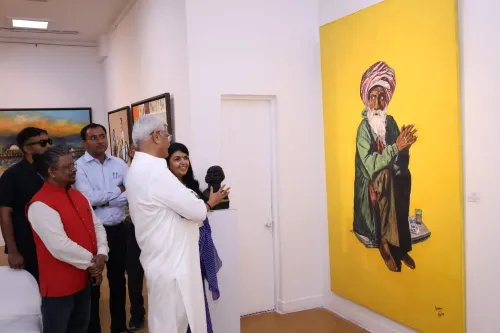
The minister interacted directly with resident artists and reviewed their artworks during the visit.
Discussions centred on continuous improvement of the centre, more opportunities for artists, and building a future-oriented, inspiring environment for art.
Lalit Kala Akademi , established in 1954 , is India's national academy for visual arts and functions as an autonomous body under the Ministry of Culture .
The visit reflects the government's ongoing engagement with autonomous cultural bodies to upgrade infrastructure and expand artist support since 2014 .
Follow-up policy action — including potential new schemes or budget allocations for Lalit Kala Akademi regional centres — is anticipated.
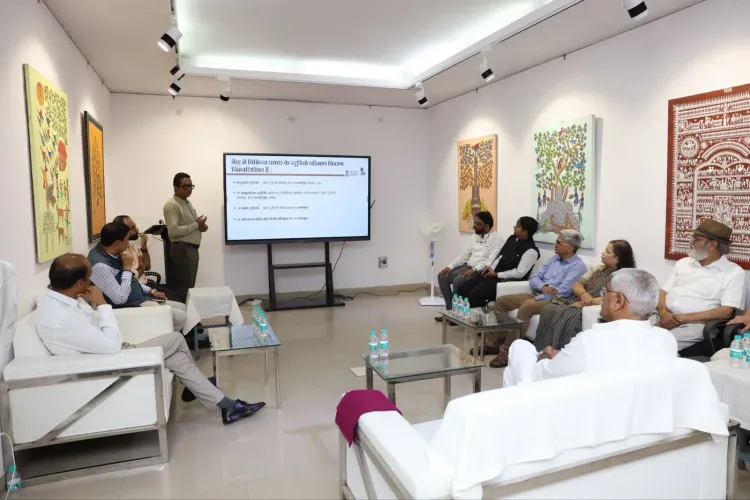
Union Culture and Tourism Minister Gajendra Singh Shekhawat visited the Garhi Regional Centre of the Lalit Kala Akademi in New Delhi on Friday, 3 July 2026, interacting with resident artists and reviewing their works firsthand.
Posting on X, Shekhawat described the visit as an occasion for 'meaningful discussion' (sarthak charcha) on continuous improvement at the centre, expanding opportunities for artists, and building a 'future-oriented, inspiring environment for art.' He tagged the Prime Minister's Office and the Ministry of Culture, signalling the visit's institutional weight.
Context
The Garhi Regional Centre, located in South Delhi, is one of Lalit Kala Akademi's key facilities, providing studio space and working infrastructure for practising visual artists across disciplines. The minister's direct walkthrough of artist studios and personal engagement with creators marks a hands-on approach to cultural governance.
Lalit Kala Akademi was established in 1954 as India's premier national institution for the promotion and preservation of visual arts, functioning as an autonomous body under the Ministry of Culture.
Policy Backdrop
The visit fits within a broader pattern of ministerial-level engagement with autonomous cultural bodies that has intensified since 2014, aimed at aligning their functioning with policy priorities of accessibility, infrastructure upgrades, and artist welfare. Reviews of bodies such as Lalit Kala Akademi have been a recurring feature of Ministry of Culture oversight exercises.
Shekhawat's focus on a 'future-oriented' (bhavishy-unmukhi) atmosphere at Garhi echoes the government's stated intent to make national cultural academies more responsive to contemporary artists rather than operating as purely archival or ceremonial institutions.
Stakeholders and Impact
The primary beneficiaries of any reforms arising from this visit would be visual artists — painters, sculptors, printmakers, and mixed-media practitioners — who use Garhi's studio facilities, often on fellowship or residency programmes. For many emerging artists, access to Garhi's infrastructure represents a significant professional resource.
Broader art institutions, regional art colleges, and the wider ecosystem of Indian contemporary art stand to benefit if the discussions translate into expanded residency slots, upgraded studios, or enhanced exhibition and funding opportunities through the Akademi.
What's Next
The Ministry of Culture and Lalit Kala Akademi are expected to follow up on the discussions with concrete proposals for facility upgrades or revised artist-support schemes at Garhi and potentially other regional centres. Announcements tied to upcoming national art events or the next Culture Ministry review cycle will be closely watched by the arts community.
With Shekhawat directly flagging the need for 'continuous improvement' and 'more opportunities for artists,' the visit sets the stage for policy action that could reshape how India's flagship visual arts body serves its constituency in the years ahead.
Point of View
The minister elevates the visit beyond routine inspection, framing cultural institution reform as a priority aligned with the top of government. The emphasis on a 'future-oriented' environment at Lalit Kala Akademi suggests the ministry is looking to reposition legacy institutions as active, contemporary platforms rather than ceremonial bodies. Whether this translates into structural changes — expanded residencies, upgraded studios, or new funding streams — will be the real test of the visit's significance.
NationPress
3 Jul 2026
Frequently Asked Questions
What is the Garhi Regional Centre of Lalit Kala Akademi?
The Garhi Regional Centre is a facility of Lalit Kala Akademi in South New Delhi that provides studio space, workshops, and working infrastructure for practising visual artists, including painters, sculptors, and printmakers.
What did Gajendra Singh Shekhawat do at the Garhi centre?
On 3 July 2026, Union Culture Minister Gajendra Singh Shekhawat visited the Garhi Regional Centre, interacted with resident artists, reviewed their artworks, and held discussions on improving facilities and expanding opportunities for artists.
What is Lalit Kala Akademi and who oversees it?
Lalit Kala Akademi is India's national academy of fine arts, established in 1954. It functions as an autonomous body under the Union Ministry of Culture and is the country's premier institution for the promotion and preservation of visual arts.
What reforms are being discussed for Lalit Kala Akademi?
Discussions at the Garhi visit focused on continuous improvement of the centre's infrastructure, providing more opportunities for artists, and developing a future-oriented and inspiring creative environment. Specific scheme announcements are yet to follow.
Why is the Culture Ministry engaging with autonomous cultural bodies?
Since 2014, the Ministry of Culture has been conducting reviews of autonomous bodies like Lalit Kala Akademi to upgrade infrastructure, improve artist welfare, and align institutional functioning with broader policy goals of accessibility and contemporary relevance.