Shivraj Singh Chouhan Urges Farmers to Adopt Integrated Farming
Synopsis
Union Agriculture Minister Shivraj Singh Chouhan urged Indian farmers on 3 November 2026 to adopt integrated farming under #KhetBachaoAbhiyan, aligning with the National Mission for Sustainable Agriculture's decade-long push to diversify farm incomes and reduce climate risk for small and marginal landholders.
Key Takeaways
Union Agriculture Minister Shivraj Singh Chouhan posted on 3 November 2026 calling on farmers to adopt integrated farming to raise income.
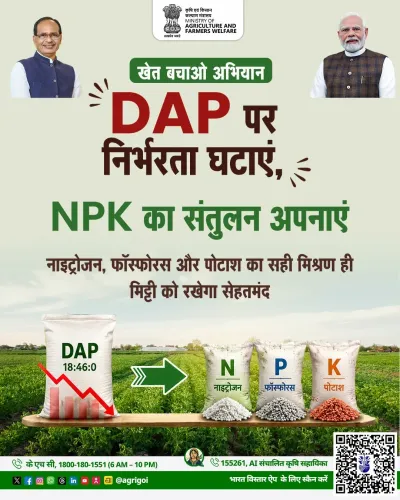
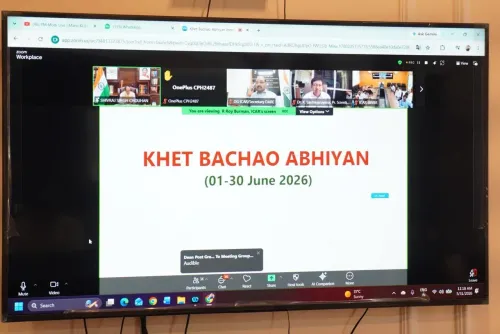
The post was made under the #KhetBachaoAbhiyan ('Save the Farm Campaign') hashtag banner.
Integrated Farming Systems combine crops, livestock, fisheries, and agroforestry to spread income risk across multiple streams.
The National Mission for Sustainable Agriculture , running since 2014-15 , provides central policy and financial support for this approach.
The primary beneficiaries targeted are India's small and marginal farmers dependent on rain-fed monoculture.
State-level uptake of integrated farming models and any fresh ministry guidelines remain the key watch-points ahead.
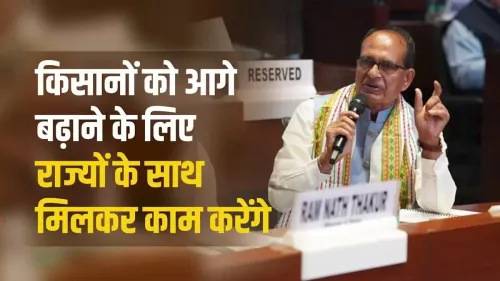
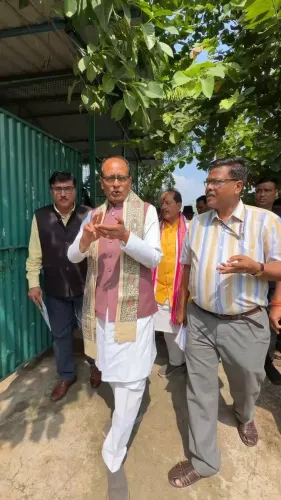
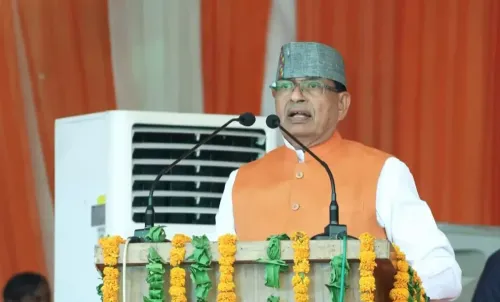
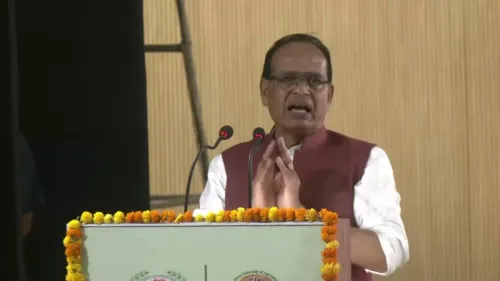
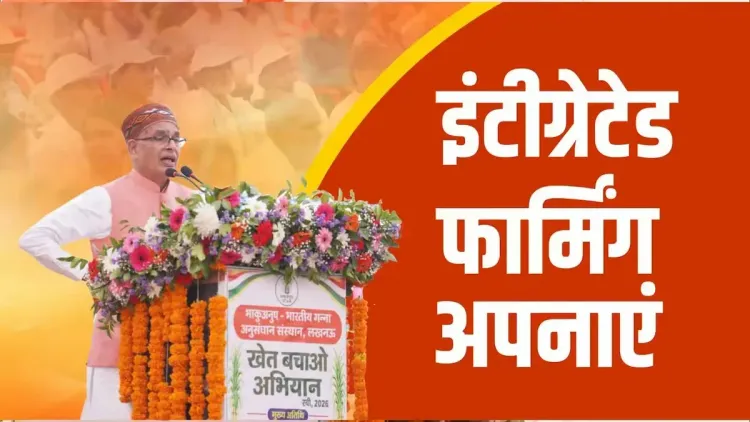
A single hashtag and a direct appeal — and Union Agriculture Minister Shivraj Singh Chouhan is putting integrated farming front and centre for India's small and marginal farmers. On Tuesday, 3 November 2026, the minister posted on X under the #KhetBachaoAbhiyan banner, calling on farmers across the country to embrace integrated farming as the surest path to raising agricultural income.
Translating his message: 'Kisan bhaion, kheti se aay badhane ke liye integrated farming zaroor apnaen.' ('Farmer brothers, to increase income from farming, do adopt integrated farming.') The appeal is short. The intent is pointed.
What Integrated Farming Actually Means for a Small Farmer
Integrated Farming Systems (IFS) combine crop cultivation with livestock, fisheries, and agroforestry on the same landholding — letting each component feed the other and spread the income across multiple streams. A smallholder who also keeps a few cattle or poultry, or maintains a pond alongside his field, is not gambling everything on a single harvest or a single market price. That diversification is precisely the buffer that policy planners have been trying to scale up.
The National Mission for Sustainable Agriculture (NMSA), running since 2014-15, has provided the policy spine for this push — channelling central support toward integrated and mixed farming models designed to stabilise incomes and reduce climate vulnerability. Chouhan's post lands squarely in that continuity.
Why #KhetBachaoAbhiyan and Why Now
The #KhetBachaoAbhiyan — loosely, the 'Save the Farm Campaign' — has become a recurring hashtag frame the minister uses to promote practices aimed at sustaining and improving Indian farming. India still counts hundreds of millions of small and marginal farmers who rely on rain-fed monoculture, making their livelihoods acutely sensitive to erratic monsoons and volatile commodity prices. The push toward integrated models is, at its core, a hedge against both.
Successive central governments have encouraged diversification beyond monoculture, but implementation has been uneven across states. The watch-point now is whether fresh operational guidelines or targeted budgetary allocations from the Agriculture Ministry follow the minister's public advocacy — translating a social-media call to action into state-level uptake on the ground.
India's farmers are being told to diversify or stay vulnerable. The minister just made sure they heard it — again.
Point of View
The ministry signals intent to build a recognisable public movement around sustainable farming rather than rely solely on scheme circulars. The real test is whether the Agriculture Ministry follows its social-media momentum with fresh state-level implementation guidelines or budgetary nudges under the National Mission for Sustainable Agriculture. Without those levers, the campaign risks staying louder on X than in the field.
NationPress
4 Nov 2026
Frequently Asked Questions
What is integrated farming and how does it help Indian farmers?
Integrated farming combines crop cultivation with livestock, fisheries, and agroforestry on the same landholding, creating multiple income streams that reduce a farmer's dependence on a single crop and protect against price shocks or crop failures.
What is #KhetBachaoAbhiyan?
#KhetBachaoAbhiyan, meaning 'Save the Farm Campaign', is a hashtag campaign used by Union Agriculture Minister Shivraj Singh Chouhan to promote farming practices aimed at sustaining and improving agricultural livelihoods in India.
What government scheme supports integrated farming in India?
The National Mission for Sustainable Agriculture (NMSA), launched in 2014-15, provides central government support for Integrated Farming Systems that combine crops, livestock, fisheries, and agroforestry to raise rural incomes and reduce climate vulnerability.
Who is Shivraj Singh Chouhan?
Shivraj Singh Chouhan is India's Union Minister of Agriculture and Farmers Welfare and Rural Development, a senior BJP leader, and a former four-term Chief Minister of Madhya Pradesh.
Why is integrated farming important for small farmers in India?
Most small and marginal farmers in India rely on rain-fed monoculture, making them vulnerable to erratic monsoons and volatile prices. Integrated farming diversifies their income sources, reducing risk and improving overall farm household earnings.