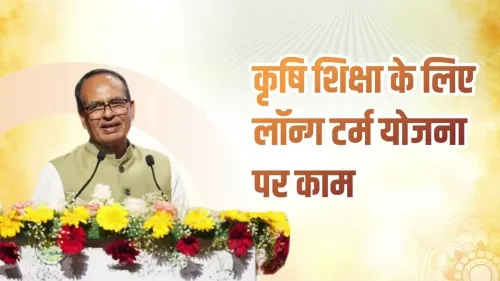
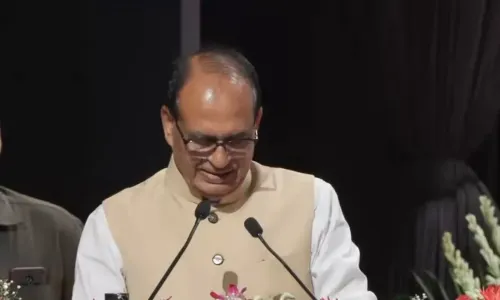
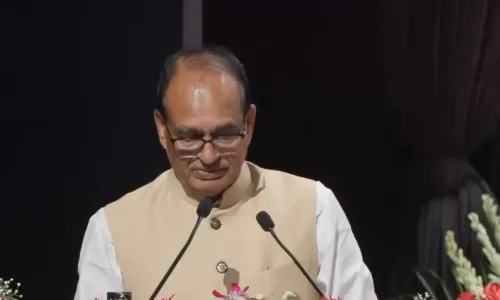
Shivraj Singh Chouhan flags agri-education reform as top priority
Synopsis
Union Agriculture Minister Shivraj Singh Chouhan declared on October 14, 2026, that organising agricultural education is his first priority, signalling a systemic reform push for India's ICAR-led farm-education ecosystem.
Key Takeaways
Shivraj Singh Chouhan posted on October 14, 2026 that organising agricultural education is his ministry's 'first priority'.
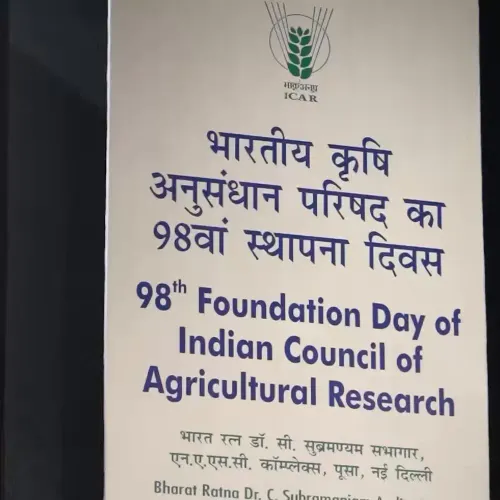
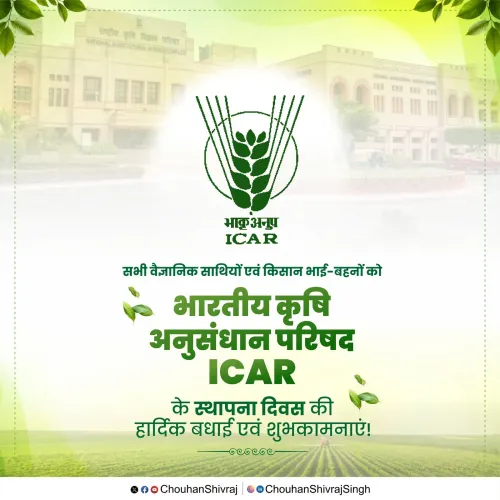
India's agri-education system spans dozens of state agricultural universities under the apex oversight of ICAR (Indian Council of Agricultural Research) .
The National Education Policy 2020 had already called for deeper integration of agricultural education with vocational and mainstream curricula.
Chouhan holds both the Agriculture and Rural Development portfolios and brings four-term Chief Ministerial experience from Madhya Pradesh .
Specific follow-up actions — revised curricula, new university mandates, or budget allocations — are yet to be announced publicly.
The reform has direct implications for agricultural students and farmers , whose prosperity depends on a practical, market-linked education pipeline.
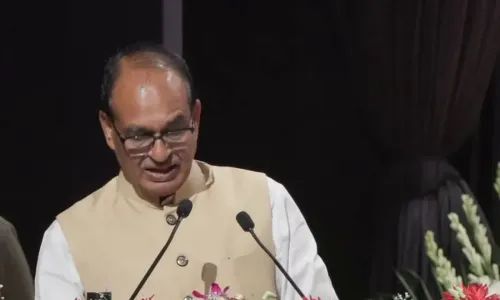
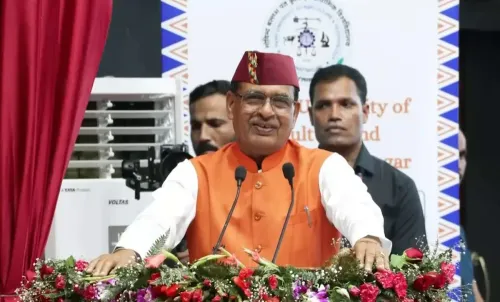
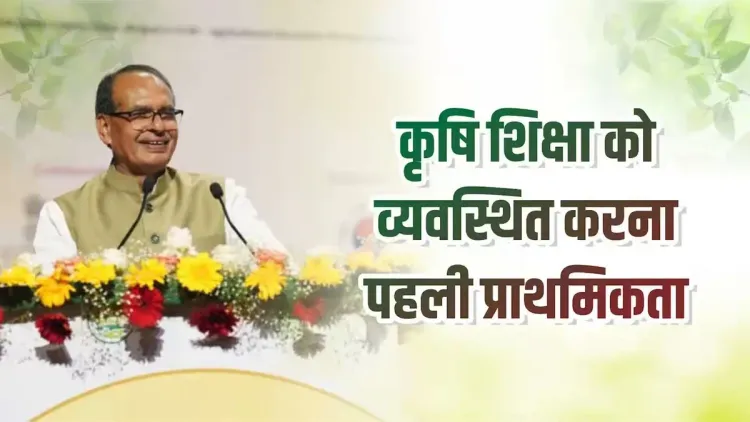
Organising agricultural education is the first order of business — that is the unambiguous signal Union Agriculture Minister Shivraj Singh Chouhan sent on Wednesday, October 14, 2026, in a post on X that placed the reform of India's farm-education ecosystem front and centre of his ministry's agenda.
In his words, 'कृषि शिक्षा को व्यवस्थित करना हमारी पहली प्राथमिकता है' — 'Organising agricultural education is our first priority.' Short, declarative, and pointed: a statement of intent from a minister who commands both the Agriculture and Rural Development portfolios.
Why agri-education keeps landing on the reform agenda
India's agricultural education system — spread across dozens of state agricultural universities and governed at the apex level by the Indian Council of Agricultural Research (ICAR) — has faced recurring criticism for curricula that lag behind field realities. The landmark National Education Policy 2020 called explicitly for greater integration of agricultural education with vocational training and mainstream degree programmes, nudging the system toward practical, productivity-linked outcomes.
Successive central governments have tried to bridge that gap through ICAR-led curriculum revisions and new degree programmes. The emphasis has consistently been the same: connect higher-education outputs to rural productivity and farmer income goals. What has often been missing is the 'organised' framework Chouhan now names as his first priority — a coherent, system-wide architecture rather than piecemeal course updates.
The stakes for students and farmers
The two communities with the most to gain are agricultural students and farmers themselves — and their interests are more intertwined than they might appear. A graduate who emerges from an agri-university with practical, market-relevant skills is far more likely to return to the farm or to agri-enterprise than one whose degree feels detached from the ground. That pipeline — from campus to countryside — is precisely what policymakers have struggled to build.
Chouhan, a four-term former Chief Minister of Madhya Pradesh, brings state-level implementation experience that few agriculture ministers have carried into the role. His tenure in Bhopal involved direct engagement with farm-distress cycles, making his framing of education reform — not just price support or credit access — a notably upstream choice of priority.
What to watch next
The post is a declaration, not yet a policy document. The specifics that will determine its weight — revised ICAR curricula, new agricultural university mandates, or budgetary allocations for agri-education infrastructure — are yet to surface publicly. But when a minister of Chouhan's seniority names something his 'first priority' in an era of compressed news cycles, the pressure to follow through with concrete announcements builds fast.
India has millions of young people in and around farming communities deciding right now whether an agricultural degree is worth pursuing. The answer to that question depends on what 'organising' agri-education actually looks like in practice.
Point of View
Loan waivers, or procurement, not the structural quality of the talent pipeline. By anchoring to education, he is implicitly arguing that India's agrarian crisis has a human-capital dimension that cash transfers alone cannot fix. For a minister with deep state-level experience navigating farm distress in Madhya Pradesh, the choice of this entry point suggests a longer-horizon strategy, though the declaration will carry real weight only when matched by specific institutional or budgetary moves.
NationPress
14 Oct 2026
Frequently Asked Questions
What did Shivraj Singh Chouhan say about agricultural education?
Chouhan declared on October 14, 2026, that 'organising agricultural education is our first priority,' signalling that systemic reform of India's farm-education system is at the top of his ministry's agenda.
What is ICAR and how does it relate to agricultural education in India?
The Indian Council of Agricultural Research (ICAR) is the apex body overseeing agricultural education and research in India, coordinating curricula and research across dozens of state agricultural universities and central institutions.
How does the National Education Policy 2020 connect to agri-education reform?
The National Education Policy 2020 explicitly called for greater integration of agricultural education with vocational training and mainstream curricula, making Chouhan's current push a continuation of that broader reform direction.
Who is Shivraj Singh Chouhan and what is his role?
Shivraj Singh Chouhan is the Union Minister of Agriculture and Farmers Welfare and Rural Development, a senior BJP leader, and a former four-term Chief Minister of Madhya Pradesh.
What specific agri-education reforms are expected from the government?
Watchers are looking for follow-up announcements on revised ICAR curricula, new agricultural university mandates, and budgetary allocations for agri-education infrastructure, though no specific actions have been announced yet.