Shivraj Singh Chouhan Pays Tribute to Chandrashekhar Azad on Birth Anniversary
Synopsis
Union Agriculture Minister Shivraj Singh Chouhan on 23 July 2026 paid tribute to revolutionary freedom fighter Chandrashekhar Azad on his birth anniversary, quoting Azad's vow of eternal freedom and calling his life an undying inspiration for national service.
Key Takeaways
Union Agriculture Minister Shivraj Singh Chouhan paid tribute to Chandrashekhar Azad on his birth anniversary, 23 July 2026 .
Chouhan quoted Azad's celebrated declaration: 'We will face the enemy's bullets; we have always been free, and we shall always remain free.' Chandrashekhar Azad (1906–1931) was a key figure in India's revolutionary independence movement, known for the Kakori train robbery of 1925 and his refusal to be captured alive.
Annual tributes to Azad on 23 July are a recurring feature of India's political calendar, observed by leaders across parties.
Chouhan described Azad as an immortal martyr whose saga of sacrifice would inspire generations to serve the nation.
Union Agriculture Minister Shivraj Singh Chouhan on Thursday, 23 July 2026, paid homage to legendary revolutionary freedom fighter Chandrashekhar Azad on his birth anniversary, invoking Azad's immortal vow of defiance against colonial rule and calling his life an eternal source of inspiration for national service.
Context
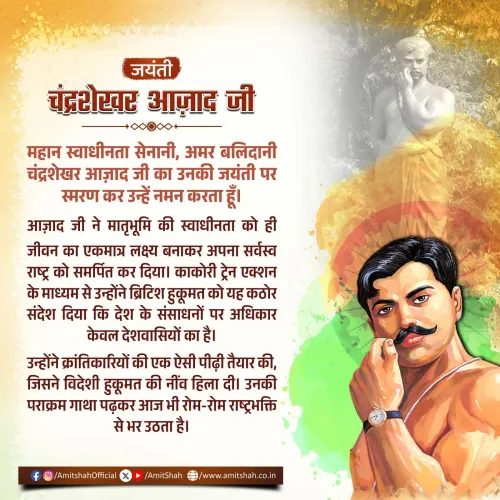
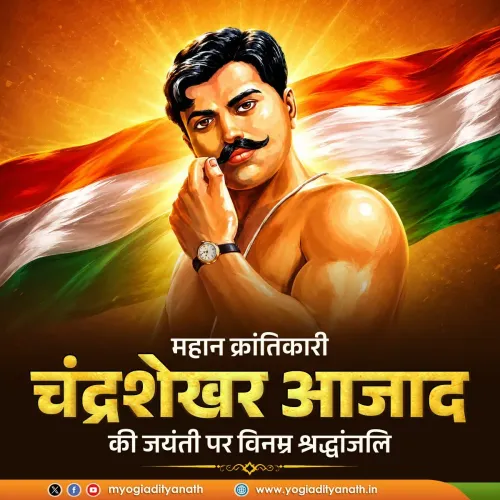
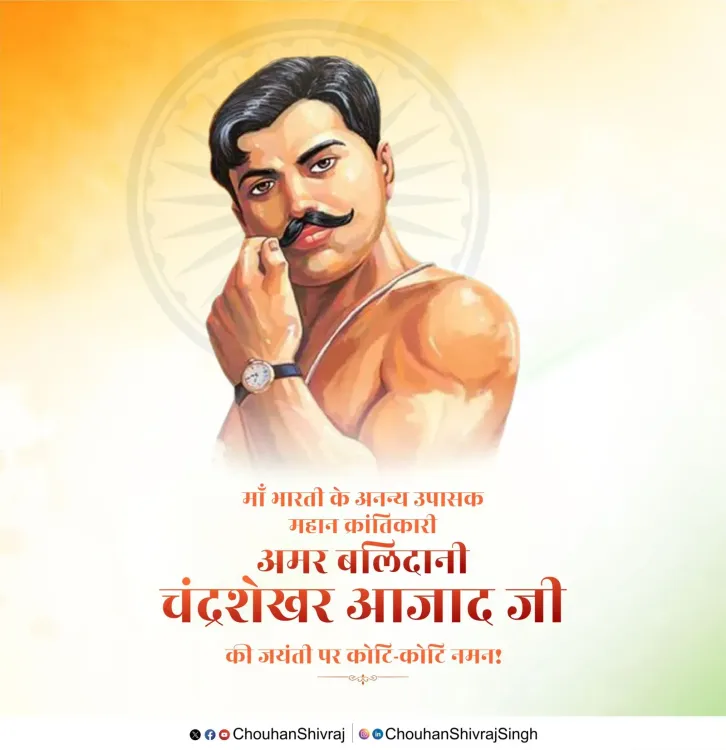
Chouhan took to X to offer what he described as 'koti-koti naman' (countless salutations) at the feet of Azad, quoting the revolutionary's celebrated declaration: 'We will face the enemy's bullets; we have always been free, and we shall always remain free.' He called Azad an 'anannya upasak' (devoted worshipper) of Mother India and an immortal martyr whose saga of sacrifice and struggle would motivate generations to serve the nation.
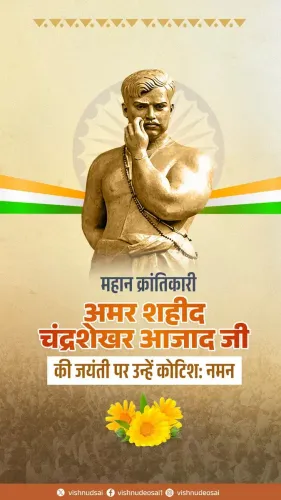
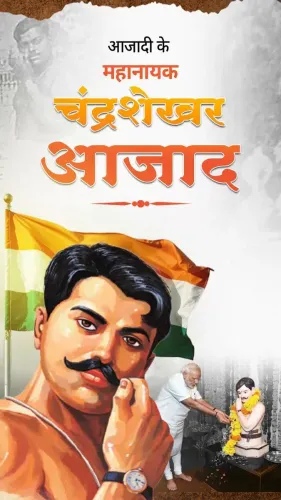
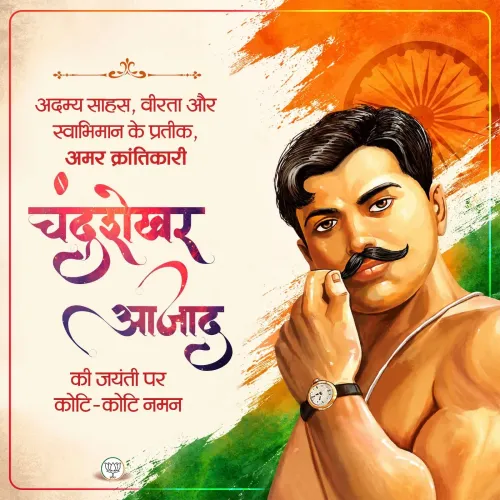
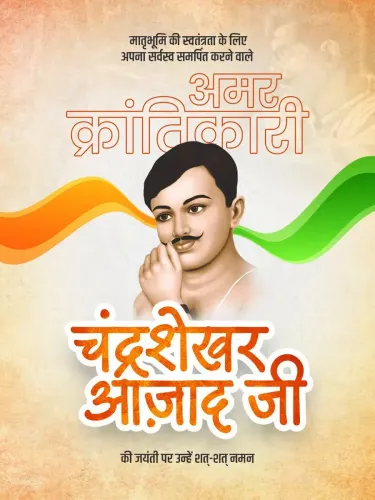
The tribute was posted in Hindi on the minister's official X account and was accompanied by an image, consistent with the annual pattern of public commemorations on 23 July, Azad's birth anniversary.
Policy Backdrop
Annual tributes to Chandrashekhar Azad on his birth anniversary have been a fixture of India's public political calendar since independence. Senior leaders across the ruling Bharatiya Janata Party (BJP) and other parties routinely mark the occasion with statements invoking the freedom struggle to reinforce themes of patriotism, sacrifice, and national duty.
Chouhan's tribute fits a broader pattern in which central ministers use such commemorations to connect the legacy of revolutionary icons with contemporary themes of nation-building and public service, even when the messaging falls outside their immediate ministerial portfolios.
Who Was Chandrashekhar Azad
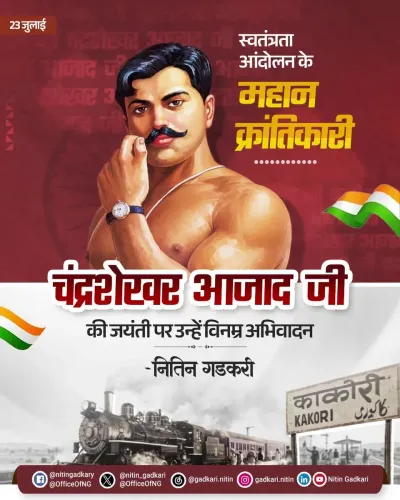
Chandrashekhar Azad (1906–1931) was one of India's most celebrated revolutionary freedom fighters, known for his fierce resistance to British colonial rule. He was a key figure in the Kakori train robbery of 1925 and other acts of armed resistance, and he famously refused to be captured alive — shooting himself on 27 February 1931 in Alfred Park, Allahabad (now Azad Park, Prayagraj) when surrounded by British police.
His declaration — 'main azad hoon, azad hoon aur azad rahunga' (I am free, I am free, and I shall remain free) — became a defining slogan of India's revolutionary independence movement and continues to be widely cited in political discourse.
What to Watch
Similar commemorative statements and events from other central ministers and state leaders are expected across 23 July each year, along with programmes at Azad memorials, particularly at Azad Park in Prayagraj and his birthplace in Alirajpur district, Madhya Pradesh. Parliamentary tributes and cultural events organised by central and state governments on this date form a recurring part of India's national remembrance calendar.
Point of View
The minister aligns the party's public identity with the most radical strand of India's independence movement — a tradition that has historically appealed to younger, nationalist audiences. Such commemorations also serve to broaden the BJP's ideological canvas beyond its core Hindutva messaging, incorporating revolutionary icons who are claimed across the political spectrum. The consistency of this pattern across ministerial accounts suggests a coordinated communications approach around key dates in the national remembrance calendar.
NationPress
22 Oct 2026
Frequently Asked Questions
When is Chandrashekhar Azad's birth anniversary?
Chandrashekhar Azad's birth anniversary falls on 23 July each year. He was born on 23 July 1906 in what is now Alirajpur district, Madhya Pradesh.
What did Shivraj Singh Chouhan say about Chandrashekhar Azad?
Shivraj Singh Chouhan quoted Azad's famous declaration — 'We will face the enemy's bullets; we have always been free, and we shall always remain free' — and offered countless salutations to the revolutionary on his birth anniversary, calling his life an eternal inspiration for national service.
Who was Chandrashekhar Azad and why is he famous?
Chandrashekhar Azad (1906–1931) was a revolutionary Indian freedom fighter who participated in the Kakori train robbery of 1925 and other acts of armed resistance against British rule. He is famous for his vow never to be captured alive and shot himself in Alfred Park, Allahabad, in 1931 when surrounded by British police.
Why do Indian politicians pay tribute to Chandrashekhar Azad on 23 July?
23 July is Chandrashekhar Azad's birth anniversary, and annual tributes on this date have been a fixture of India's public political calendar since independence. Leaders across parties mark the occasion to honour his legacy of sacrifice and patriotism.
What is Shivraj Singh Chouhan's current role?
Shivraj Singh Chouhan is the Union Minister of Agriculture and Farmers Welfare and Rural Development in the Government of India. He is a senior BJP leader and former four-term Chief Minister of Madhya Pradesh.