CM Siddaramaiah Condoles Death of 5 IAF Personnel in Jorhat AN-32 Crash
Synopsis
Karnataka Chief Minister Siddaramaiah mourned the death of five IAF personnel — including two Agniveervayu recruits — in an AN-32 crash at Jorhat, Assam, saluting their sacrifice and offering condolences to their families and the Indian Air Force.
Key Takeaways
Five IAF personnel died in an AN-32 aircraft accident at Jorhat, Assam on or before 13 June 2026 .
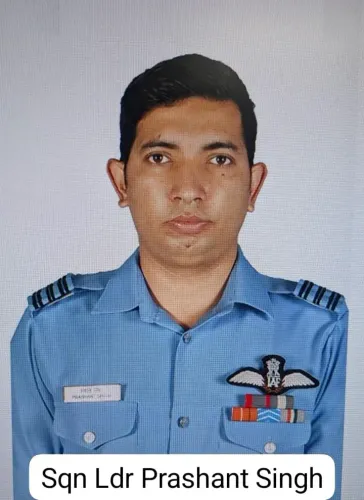
The deceased are Sqn.
Prashant Singh , Flt.
Shubham Kumar , Sgt.
Jitendra Sharma , Agniveervayu Khemaram Kumawat , and Agniveervayu Danish Alam .
Two of the five belonged to the Agniveervayu rank, recruited under the Agnipath scheme launched in 2022.
Karnataka CM Siddaramaiah saluted their 'supreme sacrifice' and extended condolences to their families and the IAF.
The AN-32 fleet has a long history of accidents, sustaining calls for its replacement in IAF's transport inventory.
An IAF Court of Inquiry is expected to investigate the cause of the accident.
Karnataka Chief Minister Siddaramaiah on Saturday, 13 June 2026, expressed deep grief over the death of five Indian Air Force personnel in an AN-32 aircraft accident at Jorhat, Assam, saluting what he called their 'supreme sacrifice in the line of duty.'
Tribute and Condolences
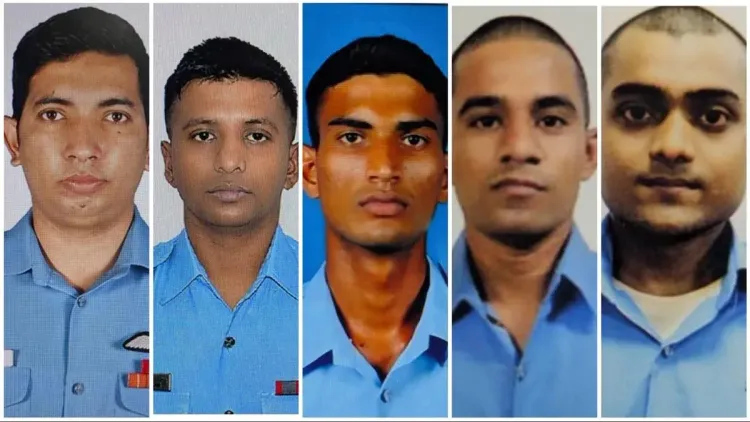
In a post addressed to @IAF_MCC, CM Siddaramaiah named each of the five personnel killed: Squadron Leader Prashant Singh, Flight Lieutenant Shubham Kumar, Sergeant Jitendra Sharma, Agniveervayu Khemaram Kumawat, and Agniveervayu Danish Alam. He extended 'heartfelt condolences to their families, friends and the Indian Air Force.'
The mention of two Agniveervayu ranks — personnel enrolled under the Agnipath short-service military recruitment scheme — is notable, as it marks among the first publicly documented combat-duty fatalities of Agnipath recruits in an operational accident.
Context: The AN-32 and Jorhat Air Base
Jorhat Air Force Station in Assam is a key transport hub for IAF operations in the Northeast, supporting logistics to remote and strategically sensitive sectors. The AN-32, a Soviet-origin twin-turboprop transport aircraft inducted in the 1980s, has been the backbone of IAF's tactical airlift for decades.
The AN-32 fleet has been involved in several fatal accidents over the past two decades, making it a recurring subject of safety and fleet-modernisation debates within defence policy circles. An upgrade programme was undertaken in partnership with Ukraine, though the fleet continues to age.
Policy Backdrop: Fleet Safety and Agnipath
The Indian Air Force has been under sustained pressure to accelerate the replacement of its ageing transport fleet, with the AN-32 frequently cited as a priority. Each accident renews calls for expediting procurement of modern alternatives and reviewing maintenance protocols for legacy aircraft.
The deaths of two Agniveervayu personnel also place renewed scrutiny on the Agnipath scheme, launched in 2022, under which short-tenure recruits serve across all three armed services. Critics of the scheme have questioned service conditions and risk exposure; supporters argue it modernises the force's age profile.
Stakeholders and Impact
The families of the five deceased personnel — spread across different ranks from commissioned officer to Agniveervayu — now face the government's next-of-kin support processes, including ex-gratia payments and pension entitlements. The IAF is expected to convene a Court of Inquiry to establish the cause of the accident.
Political leaders across party lines, including state chief ministers such as Siddaramaiah, routinely issue public condolences after IAF accidents, reflecting both protocol and the broad public respect commanded by armed forces fatalities in India.
What's Next
The IAF Court of Inquiry findings will be closely watched for any determination of technical failure, human error, or weather-related factors. Its conclusions could influence decisions on the AN-32 retirement timeline and the pace of induction of replacement transport platforms. The status of Agniveervayu personnel in high-risk operational roles may also come under parliamentary and public scrutiny in the weeks ahead.
Point of View
Particularly those with national visibility. The presence of two Agniveervayu personnel among the dead adds a politically charged dimension: the Agnipath scheme remains contested, and fatalities in operational accidents will intensify scrutiny of risk exposure for short-tenure recruits. The AN-32's accident record also keeps the IAF's fleet modernisation agenda in the political spotlight, where procurement delays are perennially debated. This condolence, while ceremonial in form, lands at the intersection of three live policy debates — military recruitment reform, transport fleet safety, and the welfare of martyrs' families.
NationPress
19 Sept 2026
Frequently Asked Questions
Who were the five IAF personnel killed in the Jorhat AN-32 crash?
The five personnel were Squadron Leader Prashant Singh , Flight Lieutenant Shubham Kumar , Sergeant Jitendra Sharma , Agniveervayu Khemaram Kumawat , and Agniveervayu Danish Alam , as named by Karnataka CM Siddaramaiah in his condolence post.
What is the AN-32 aircraft and why has it been in the news?
The AN-32 is a Soviet-origin twin-turboprop transport aircraft that has been in service with the Indian Air Force since the 1980s. It has been involved in several fatal accidents over the decades, prompting repeated calls for fleet replacement.
What is Agniveervayu and what is the Agnipath scheme?
Agniveervayu is the rank given to short-service recruits enlisted in the Indian Air Force under the Agnipath scheme , launched in 2022 . The scheme allows youth to serve for four years, after which a portion are retained permanently.
Why did Karnataka CM Siddaramaiah comment on an IAF accident in Assam?
Indian state chief ministers routinely issue public condolences for armed forces fatalities regardless of where the accident occurs, as a mark of national respect. Siddaramaiah posted his tribute on 13 June 2026 tagging the IAF's official handle.
What happens after an IAF aircraft accident?
The Indian Air Force typically convenes a Court of Inquiry to investigate the cause of the accident. Findings can influence decisions on aircraft retirement, maintenance protocols, and fleet modernisation priorities.