CM Siddaramaiah Demands CEC Gyanesh Kumar's Resignation Over SIR
Synopsis
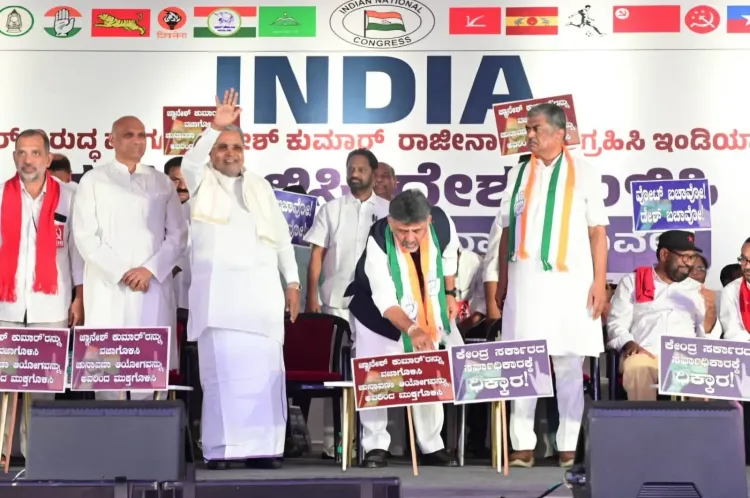
Karnataka CM Siddaramaiah addressed a mass KPCC rally at Bengaluru's Freedom Park, demanding cancellation of the Special Intensive Revision of voter rolls and CEC Gyanesh Kumar's resignation, citing an alleged drop of one crore voters in Karnataka and calling the agitation a second freedom movement.
Key Takeaways
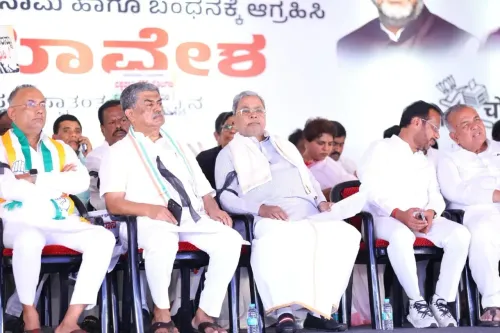
Karnataka CM Siddaramaiah spoke at a KPCC-organised protest at Bengaluru's Freedom Park on 5 November 2026 , demanding cancellation of the SIR voter-list revision.
He alleged Karnataka's registered voters fell from approximately 5.54 crore to 4.55 crore after the revision — a drop of roughly one crore electors .
Specific irregularity allegations were raised for Mahadevapura (around one lakh votes allegedly added illegally) and Rajajinagar (names allegedly deleted).
The 2023 law replacing the Chief Justice of India with a Union Minister on the Election Commission selection panel was cited as the starting point of institutional bias.
Election Commissioners Sukhbir Singh Sandhu and Vivek Joshi were reported to have filed dissent notes on at least 14 decisions in the past ten months.
Siddaramaiah vowed to extend protests to every district and taluk headquarters in Karnataka until CEC Gyanesh Kumar resigns and SIR is scrapped.
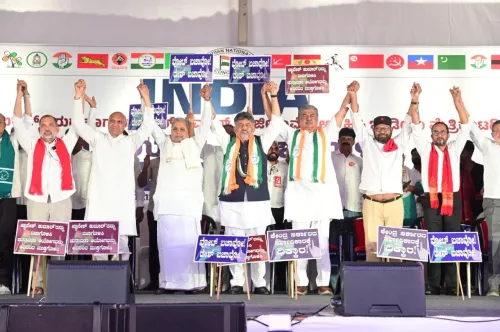
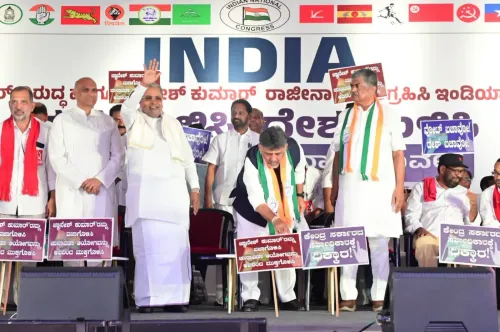
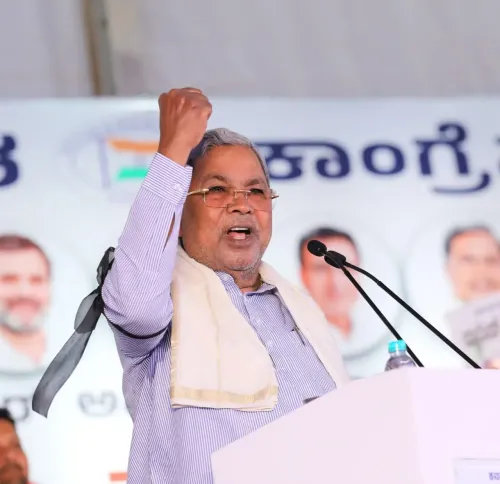
The right to vote is not a bureaucratic formality — it is the bedrock of democracy. Karnataka Chief Minister Siddaramaiah made that case with force on Thursday, 5 November 2026, addressing a mass protest at Bengaluru's Freedom Park organised by the Karnataka Pradesh Congress Committee (KPCC), demanding the cancellation of the Special Intensive Revision (SIR) of voter rolls and the immediate resignation of Chief Election Commissioner Gyanesh Kumar.
Speaking in Kannada, Siddaramaiah declared: 'SIR prakriyeyu kaanonige mattu samvidhanada aashayagalige viruddhavaagide' — 'The SIR process is contrary to the spirit of the law and the Constitution.' He framed the protest not as a routine political rally but as nothing less than a second freedom struggle: 'Prajaaprabhutva mattu samvidhanada rakshaNegaagi nadeyuttiruvaa ee hOraaTavannu naanu eraDAne svAtantrya saMgrAMaveMdu pariganisuttEne.' — 'I regard this struggle for democracy and the Constitution as a second freedom movement.'Karnataka's Missing One Crore Voters
The statistical claim at the heart of the protest is stark. Siddaramaiah stated that Karnataka's voter rolls carried approximately 5.54 crore registered electors before the revision and that the number has since dropped to approximately 4.55 crore — a fall of roughly one crore voters. He demanded a satisfactory explanation for this gap and insisted that any eligible voters struck off the lists be immediately reinstated.
The Chief Minister pointed to two specific constituencies as flashpoints: Mahadevapura assembly segment in Bengaluru, where he alleged around one lakh votes have been fraudulently added, and Rajajinagar, where voters' names have allegedly been deleted. Congress leader Rahul Gandhi had already raised both constituencies publicly, and Siddaramaiah's protest extended that charge into a statewide mobilisation.
The Selection Committee Law That Changed Everything
Siddaramaiah anchored his attack on the Election Commission's credibility to a structural argument rooted in a 2023 parliamentary law that overhauled the appointment process for election commissioners. The legislation replaced the Chief Justice of India on the selection committee with a Union Cabinet Minister, effectively giving the Central Government a majority on the panel. He said doubts about the government's intentions began precisely at that moment.
He added that Rahul Gandhi had formally objected to Gyanesh Kumar's appointment during the selection process, but his objection was overruled. The CM further cited reported media accounts that Election Commissioners Sukhbir Singh Sandhu and Vivek Joshi had filed dissent notes on at least 14 decisions over the past ten months — a detail he said demands a public debate on the Commission's internal transparency.
From Freedom Park to Every District in Karnataka
The Bengaluru protest was billed as an extension of a large INDIA alliance demonstration held in Delhi on 1 November 2026. Siddaramaiah announced that Congress and INDIA bloc member parties would now carry the agitation from Freedom Park to every district and taluk headquarters in Karnataka, sustaining pressure until two demands are met: cancellation of the SIR process and CEC Gyanesh Kumar's resignation.
Placing the agitation in a wider political arc, he alleged that the BJP leveraged the Gujarat model narrative in 2014, the Pulwama and Balakot events in 2019, and — having failed to win an outright majority with just 240 Lok Sabha seats in 2024 — is now attempting to influence the electoral machinery itself. He expressed confidence that the Indian people would 'herald political change' in the 2029 Lok Sabha election.
The demand is unambiguous: a constitutional institution must function free of partisan direction. Until it does, Siddaramaiah has signalled, the streets of Karnataka will not fall silent.
Point of View
He is attempting to build a coherent institutional-capture narrative rather than fighting isolated battles. The choice to frame the agitation as a 'second freedom movement' and anchor it to the INDIA alliance's national campaign signals a deliberate attempt to elevate a state-level electoral-roll grievance into a pan-India constitutional issue ahead of 2029. Whether the Election Commission responds with granular data on the alleged voter-count discrepancy will determine how much traction that narrative gains beyond the Opposition's existing base.
NationPress
5 Nov 2026
Frequently Asked Questions
What is the SIR process that Siddaramaiah is opposing?
SIR stands for Special Intensive Revision, a process by which the Election Commission undertakes a comprehensive review and revision of voter rolls. Siddaramaiah and the Congress have argued that this particular exercise has led to the illegal deletion of eligible voters and violates constitutional and legal safeguards governing the right to vote.
Why does Siddaramaiah want CEC Gyanesh Kumar to resign?
Siddaramaiah has alleged that Gyanesh Kumar's appointment was itself controversial — Rahul Gandhi formally objected to it during the selection process — and that his tenure has been marked by decisions that undermine the Election Commission's independence. The Congress has demanded his resignation as part of its nationwide campaign against the SIR process.
How many voters were allegedly removed from Karnataka's rolls?
Siddaramaiah stated that Karnataka had approximately 5.54 crore registered voters before the revision and that the figure fell to roughly 4.55 crore after the process — a difference of about one crore electors. These figures, as cited in his speech, have not been independently verified from official Election Commission data.
What law changed how the Chief Election Commissioner is appointed?
A 2023 parliamentary law replaced the Chief Justice of India with a Union Cabinet Minister on the committee that selects election commissioners, giving the Central Government a majority on the selection panel. Critics, including Siddaramaiah, argue this change compromises the independent character of the constitutional body.
What are the Congress demands from this protest?
The Congress and INDIA alliance partners are pressing two specific demands: the cancellation of the SIR voter-roll revision process, and the immediate resignation of Chief Election Commissioner Gyanesh Kumar. Siddaramaiah announced that protests will be extended from Bengaluru's Freedom Park to every district and taluk headquarters in Karnataka.