Dr. Jitendra Singh, CM Yogi Review Governance Exhibition in Lucknow
Synopsis
Union Minister Dr. Jitendra Singh joined CM Yogi Adityanath in Lucknow on 23 October 2026 to view an exhibition at the Ram Manohar Lohia Lok Prashasan Sansthan showcasing governance initiatives and civil-servant capacity-building best practices from northern states and Union Territories, underscoring DoPT's push for inter-state administrative learning.
Key Takeaways
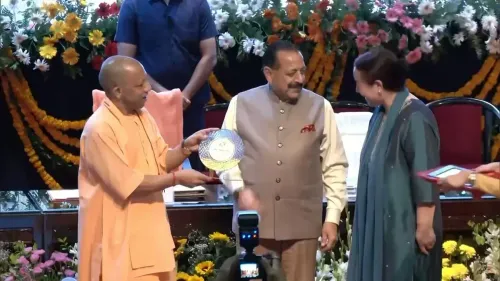
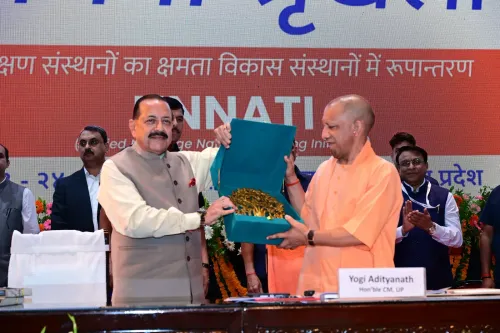
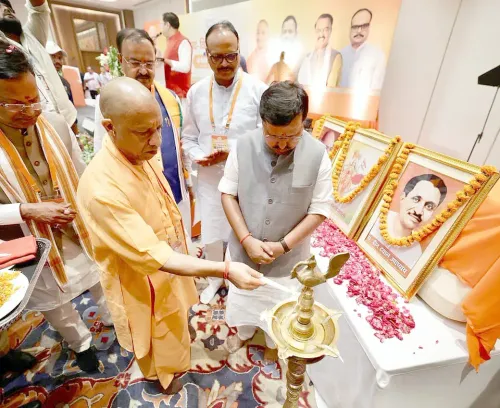
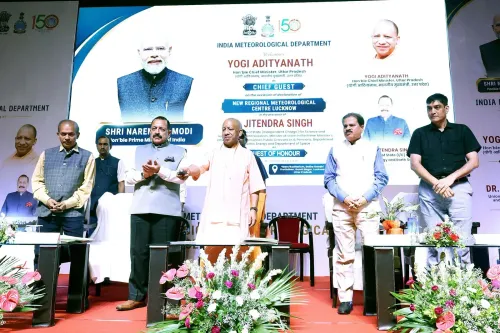
Jitendra Singh and CM Yogi Adityanath jointly reviewed the exhibition at the Ram Manohar Lohia Lok Prashasan Sansthan in Lucknow on 23 October 2026 .
The exhibition featured governance and capacity-building initiatives from multiple northern states and Union Territories.
The event is tagged under #DoPT , confirming the Central department's involvement and institutional backing.
Mission Karmayogi (launched 2020 ) provides the national policy framework within which such inter-state knowledge-sharing exercises operate.
The Ram Manohar Lohia Lok Prashasan Sansthan is Uttar Pradesh's primary institution for public administration training and civil services development.
Possible follow-up includes national dissemination of identified best practices through DoPT-coordinated training modules.
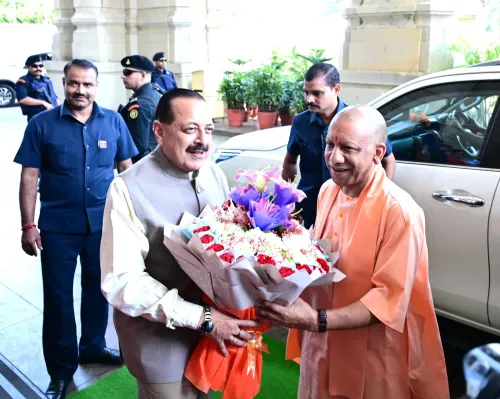
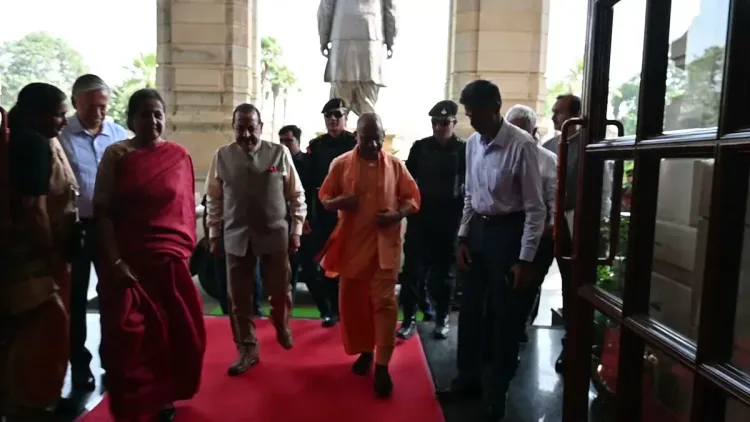
At the Ram Manohar Lohia Lok Prashasan Sansthan in Lucknow on Friday, 23 October 2026, Union Minister of State (Independent Charge) for Science and Technology Dr. Jitendra Singh joined Uttar Pradesh Chief Minister Yogi Adityanath to tour an exhibition spotlighting governance initiatives and best practices in civil servant capacity building adopted by states and Union Territories across northern India.
What the Exhibition Brought Together
The exhibition, hosted at one of India's prominent public administration training institutions, put on display the governance models and capacity-building interventions rolled out by various northern states and Union Territories. Sharing these frameworks under one roof is precisely the kind of inter-state learning exercise that DoPT — the Department of Personnel and Training — champions as part of cooperative federalism.
Dr. Jitendra Singh tagged #DoPT explicitly in his post, signalling the Central government's active stake in the event and its alignment with the ministry's mandate to drive administrative reforms and modernise civil services training nationwide.
Mission Karmayogi's Shadow Over Lucknow
The gathering sits squarely within the arc of Mission Karmayogi, the National Programme for Civil Services Capacity Building launched in 2020 to overhaul how India trains its bureaucrats — shifting from rule-based to role-based competency development. Forums like this one are where that national blueprint meets on-the-ground state execution.
The Ram Manohar Lohia Lok Prashasan Sansthan itself is Uttar Pradesh's institutional anchor for public administration training, making it a fitting venue for a showcase of what northern India's administrative machinery has been building. Chief Minister Yogi Adityanath, who has helmed the state since 2017, has positioned governance reform as a signature theme of his administration.
DoPT's Wider Push for Administrative Best Practices
India's states periodically host such exhibitions and forums to distil and share governance innovations — a practice DoPT actively encourages to prevent good ideas from staying siloed within a single state cadre. The presence of a Union Minister alongside a Chief Minister at such a forum carries symbolic weight: it frames state-level administrative experimentation not as isolated effort but as building blocks for a national architecture.
What happens next is the telling part — whether the best practices surfaced at Lucknow feed into nationally disseminated training modules or DoPT-coordinated follow-up programmes will determine whether this exhibition becomes a genuine policy relay or a well-photographed one-off.
Point of View
A core pillar of Mission Karmayogi. Lucknow's choice as the venue also reinforces Uttar Pradesh's growing role as a showcase state for governance reform under the BJP's federal architecture. Whether the momentum translates into codified, replicable training modules will test DoPT's capacity to convert exhibition energy into lasting bureaucratic change. The event also signals an intent to frame civil service modernisation as a cooperative Centre-state project rather than a top-down Central diktat.
NationPress
23 Oct 2026
Frequently Asked Questions
What happened at the Ram Manohar Lohia Lok Prashasan Sansthan in Lucknow on 23 October 2026?
Union Minister Dr. Jitendra Singh and UP Chief Minister Yogi Adityanath visited an exhibition at the institute showcasing governance best practices and civil-servant capacity-building initiatives from northern states and Union Territories.
What is the Ram Manohar Lohia Lok Prashasan Sansthan?
It is a Lucknow-based public administration training institute focused on building the capacity of civil servants in Uttar Pradesh and is a key venue for administrative learning events.
What is DoPT and why was it tagged in Dr. Jitendra Singh's post?
DoPT, the Department of Personnel and Training, is the Central government body that oversees civil services policy, training, and administrative reforms. Its tag signals Central government backing for the exhibition's capacity-building objectives.
How does Mission Karmayogi relate to events like this governance exhibition?
Mission Karmayogi, launched in 2020, is the national programme to modernise civil servant training. Inter-state exhibitions that surface and share best practices directly support its goal of building role-based competencies across India's bureaucracy.
Which states participated in the governance exhibition in Lucknow?
The exhibition featured initiatives from various northern states and Union Territories, though the exact list of participating entities has not been officially confirmed.