Sitharaman Backs Kudligi Tree-Farming Project for Dryland Farmers
Synopsis
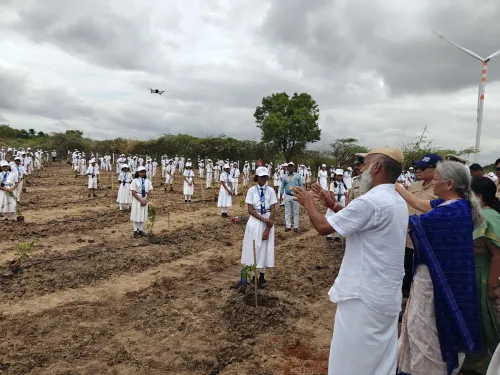
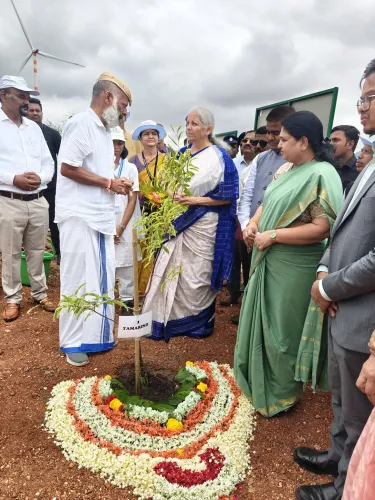
Union Finance Minister Nirmala Sitharaman on June 5, 2026 endorsed the Kudligi project in Karnataka's Ballari district, a tree-based farming initiative using drip irrigation, mulching and soil enrichment to conserve water, cut input costs and build long-term income for dryland farmers.
Key Takeaways
Union Finance Minister Nirmala Sitharaman publicly backed the Kudligi project on June 5, 2026 .
The project is located in Kudligi taluk, Ballari district, Karnataka , a semi-arid dryland zone.
It promotes tree-based agriculture integrated with drip irrigation, mulching, soil enrichment, fencing and regular monitoring .
Goals include water conservation, improved soil health, reduced input costs and long-term income for farmers.
The initiative aligns with the National Agroforestry Policy 2014 and Pradhan Mantri Krishi Sinchayee Yojana .
Finance Ministry attention to the pilot raises prospects of scaling or convergence with central rural schemes.
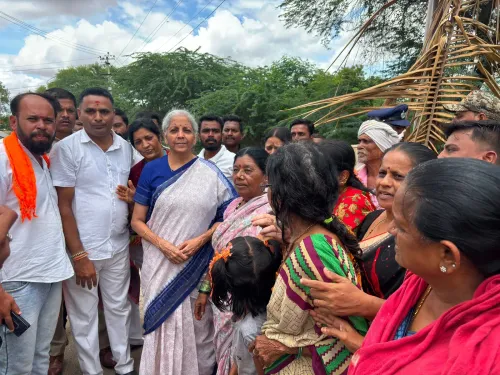
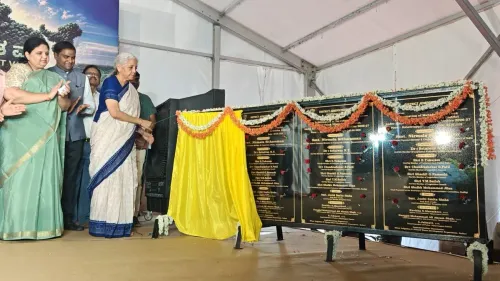
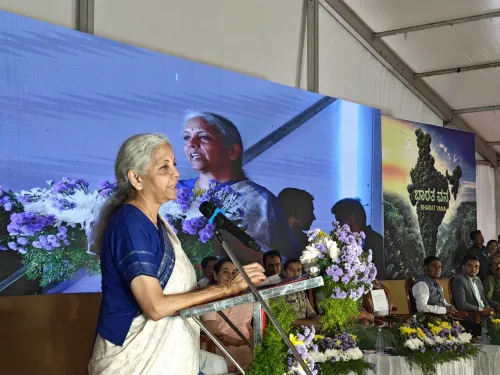
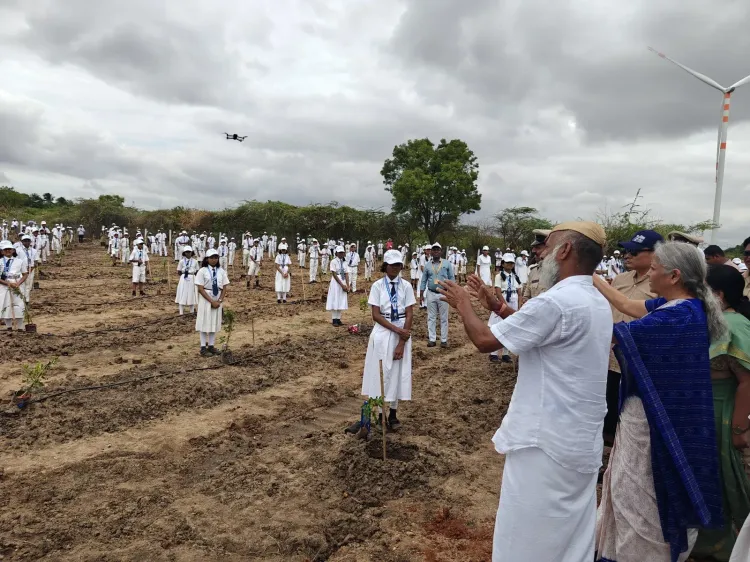
Union Finance Minister Nirmala Sitharaman on Friday, June 5, 2026 highlighted the Kudligi project in Karnataka, describing it as a tree-based agriculture initiative tailored to dryland conditions that aims to conserve water, improve soil health, and generate long-term income for farmers.
Context
Kudligi, a taluk in Ballari district, Karnataka, lies in a semi-arid zone where rainfed farming is the norm and water scarcity is a recurring challenge for agricultural households. The Finance Minister's post, a reply to her own official handle @nsitharamanoffc, drew attention to the project on World Environment Day, underlining its ecological and livelihood dimensions simultaneously.
The post stated that the project 'promotes tree-based agriculture suited to dryland conditions' and will deploy drip irrigation, mulching, soil enrichment, fencing, maintenance and regular monitoring to deliver measurable outcomes for farmers.
Policy Backdrop
The Kudligi initiative sits within a longer arc of national policy support for agroforestry and precision irrigation. India's National Agroforestry Policy of 2014 set out a framework to integrate trees with crops and livestock in rainfed regions, explicitly targeting improved farmer incomes and ecological security.
The Pradhan Mantri Krishi Sinchayee Yojana, launched in 2015, expanded micro-irrigation coverage — including drip systems — across drought-prone areas to raise water-use efficiency. The Kudligi project's design, combining tree-based farming with drip irrigation and soil management, reflects the convergence of these two policy streams at the local level.
Finance Ministry engagement with a state-level agricultural pilot is notable. Such attention often signals intent to examine successful local models for potential scaling through subsequent budgetary provisions or convergence with existing central rural schemes.
Stakeholders and Impact
The primary beneficiaries are dryland farming households in Kudligi and, by extension, smallholder farmers across Karnataka's semi-arid belt who face similar constraints of erratic rainfall and degraded soils. The project's multi-pronged approach — combining water conservation through drip systems, soil health restoration through mulching and enrichment, and reduced input costs — addresses the core vulnerabilities of rainfed agriculture in one integrated model.
Perennial tree-based systems, unlike annual crop cycles, offer farmers a diversified and more stable income stream over time, reducing dependence on a single monsoon-linked harvest. The inclusion of fencing and regular monitoring as explicit project components suggests an emphasis on sustained implementation rather than a one-time intervention.
What's Next
Observers and farming-sector stakeholders will watch for progress reports from Karnataka's state agriculture department on the Kudligi pilot's coverage, outcomes, and any plans for replication across other dryland taluks. At the central level, any dedicated line items or scheme convergences in the next Union Budget or Karnataka state budget referencing agroforestry or dryland farming pilots will indicate whether the Kudligi model influences broader fiscal planning. The Finance Minister's public endorsement raises the project's profile and could accelerate inter-departmental coordination between the Centre and the state.
Frequently Asked Questions
What is the Kudligi project?
The Kudligi project is a tree-based agriculture initiative in Kudligi taluk, Ballari district, Karnataka, designed for dryland conditions. It combines drip irrigation, mulching, soil enrichment, fencing and regular monitoring to help farmers conserve water, improve soil health and earn long-term income.
Why did Nirmala Sitharaman post about the Kudligi project?
Union Finance Minister Nirmala Sitharaman highlighted the Kudligi project on June 5, 2026 — World Environment Day — to draw attention to its environmental and livelihood benefits for dryland farmers in Karnataka's semi-arid Ballari district.
What is dryland farming and why does it matter in Karnataka?
Dryland farming refers to agriculture practised in areas with low and erratic rainfall without assured irrigation. In Karnataka, taluks like Kudligi in Ballari district depend heavily on monsoons, making water scarcity and soil degradation persistent challenges for farming households.
How does the Kudligi project relate to central government schemes?
The project's design aligns with the National Agroforestry Policy of 2014 and the Pradhan Mantri Krishi Sinchayee Yojana launched in 2015, both of which promote tree-integrated farming and micro-irrigation in drought-prone regions of India.
What are the benefits of tree-based agriculture for farmers?
Tree-based or agroforestry systems provide perennial income streams that are less dependent on a single monsoon harvest, while also improving soil health, reducing input costs and conserving water — all outcomes explicitly cited in the Kudligi project's objectives.