FM Sitharaman Launches Organic Horticulture Project in Kudligi
Synopsis
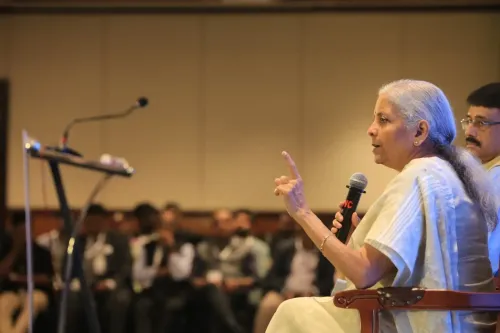
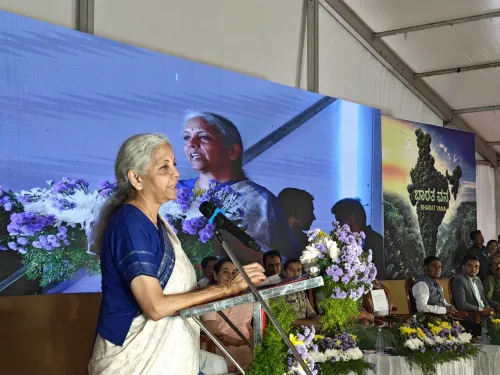
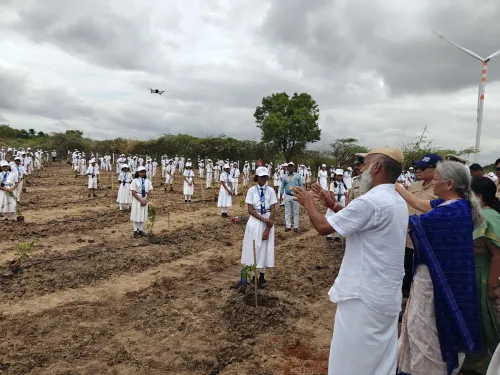
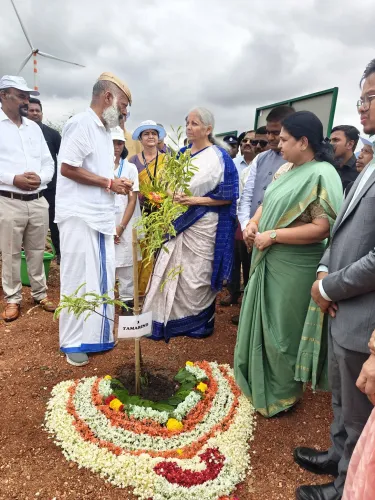
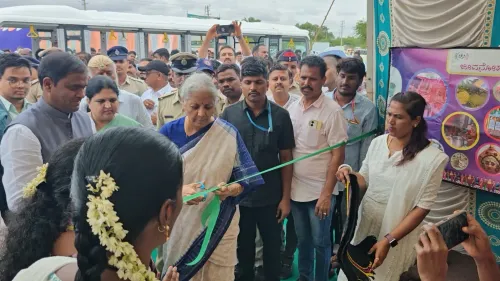
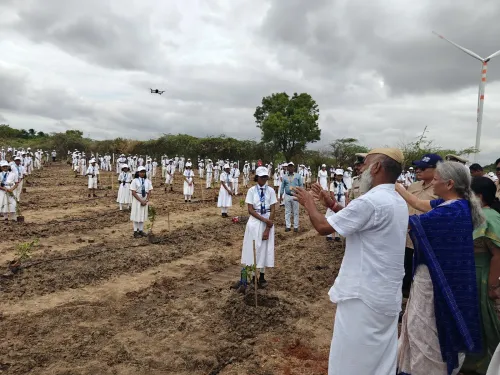
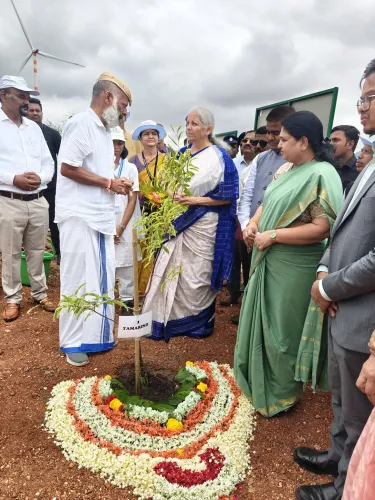
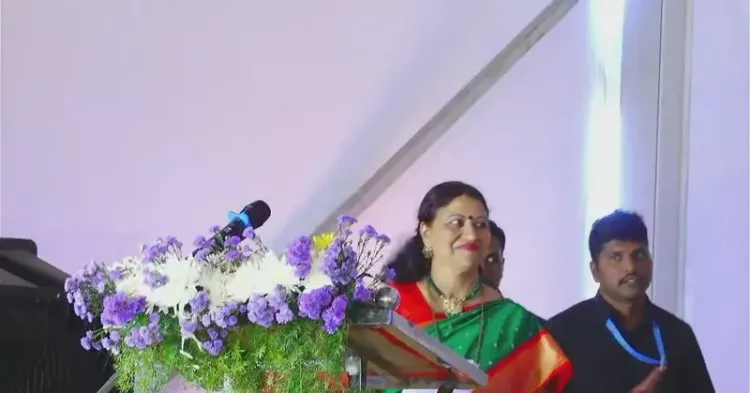
Union Finance Minister Nirmala Sitharaman addressed the launch of the Organic Horticulture Plantation Project in Kudligi, Ballari district, Karnataka on 5 June 2026. The initiative aligns with central organic farming policy under Paramparagat Krishi Vikas Yojana and successive Union Budget allocations targeting chemical-free cultivation and export-grade produce.
Key Takeaways
Union Finance Minister Nirmala Sitharaman addressed the launch of the Organic Horticulture Plantation Project in Kudligi, Karnataka on 5 June 2026 .
Kudligi is located in Ballari district , a rainfed agrarian zone where horticulture is the primary rural livelihood.
The project aligns with the Paramparagat Krishi Vikas Yojana , a central scheme operational since 2015 to build organic farming clusters.
Successive Union Budgets under Sitharaman have increased allocations for organic and natural farming to cut chemical fertiliser use.
Primary beneficiaries include local horticulture farmers and organic exporters supplying residue-free produce to domestic and export markets.
Exact project scope, beneficiary numbers and funding breakdown remain to be confirmed in official orders.
Union Finance Minister Nirmala Sitharaman addressed the launch of the Organic Horticulture Plantation Project in Kudligi, Karnataka, on Friday, 5 June 2026, lending the weight of the central government's senior-most economic voice to a grassroots agricultural initiative in one of Karnataka's key horticulture belts.
Context
Kudligi, a town in Ballari district, sits at the heart of a rainfed agrarian economy where horticulture — fruits, vegetables and spices — forms the backbone of rural livelihoods. The choice of venue signals a deliberate push to bring high-level policy attention to interior Karnataka, where farmers have long sought support for transitioning away from chemical-intensive cultivation. Sitharaman's presence at the launch, rather than a state-level official, underscores the event's significance as a Union-backed endeavour.
Policy Backdrop
The project builds on a well-established central policy lineage. The Paramparagat Krishi Vikas Yojana (PKVY), launched in 2015, was designed to form organic farming clusters across states and provide financial assistance for certification and inputs — Karnataka was among the early participating states. Successive Union Budgets presented by Sitharaman have progressively increased allocations for organic and natural farming, with the stated goals of reducing chemical fertiliser dependence and improving soil carbon levels. The Organic Horticulture Plantation Project in Kudligi fits squarely within this multi-year budgetary and policy arc.
Karnataka has also supplemented central schemes with its own organic village programmes and certification support infrastructure. The state ranks among India's top producers of fruits, vegetables and spices, making it a strategic location for scaling organic transitions that could feed both domestic residue-free produce demand and export pipelines to Europe and the United States.
Stakeholders and Impact
The primary beneficiaries of such projects are horticulture farmers in and around Kudligi who stand to gain access to organic certification, better input support and potentially premium pricing in domestic and export markets. Organic exporters operating out of Karnataka also have a direct stake, as certified organic clusters expand the raw-material base available for value-added and export-grade produce. Consumer demand for residue-free fruits and vegetables has grown steadily in urban India, creating a market pull that projects of this nature are positioned to address.
The event, streamed live, was an opportunity for Sitharaman to directly communicate the government's commitment to sustainable agriculture to farmers, local officials and agri-sector stakeholders in the region. The live-broadcast format also extended the audience well beyond Kudligi, reaching farming communities and policy observers across the state.
What's Next
Official project orders, once issued, will clarify the exact area coverage, targeted beneficiary numbers and the funding structure — including the split between central and state contributions. Observers will watch whether the Kudligi initiative is positioned as a replicable model for other horticulture-intensive districts in Karnataka and beyond. State assembly questions on implementation timelines and progress benchmarks are expected to follow. The broader test will be whether the project translates the policy intent articulated at the launch into measurable on-ground outcomes for farmers in Ballari district by the end of the current agricultural cycle.
Point of View
And signals a deliberate effort to connect Budget-level organic farming commitments to visible on-ground delivery ahead of Karnataka's politically contested rural landscape. The choice of Ballari district — a BJP stronghold with a complex agrarian profile — adds a political dimension to what is framed as a policy event. This fits a broader pattern of senior BJP ministers anchoring scheme launches in states where the party is either in opposition or seeking to consolidate rural support. The live-broadcast format amplifies reach beyond the immediate audience, suggesting the event is as much about political communication as agricultural policy.
NationPress
21 Oct 2026
Frequently Asked Questions
What is the Organic Horticulture Plantation Project in Kudligi?
The Organic Horticulture Plantation Project is an agricultural initiative launched in Kudligi, Ballari district, Karnataka, aimed at supporting farmers in transitioning to organic horticulture. The exact scope and funding details are to be confirmed in official orders.
Why did Finance Minister Nirmala Sitharaman attend a farm scheme launch in Karnataka?
Sitharaman addressed the launch on 5 June 2026, reflecting the central government's emphasis on linking Union Budget allocations for organic farming to on-ground initiatives. Her presence underscores the project's status as a Union-backed endeavour, not merely a state-level programme.
What is Paramparagat Krishi Vikas Yojana and how does it relate to this project?
Paramparagat Krishi Vikas Yojana is a central government scheme launched in 2015 to form organic farming clusters and provide financial support for certification and inputs. The Kudligi project builds on this policy lineage and Karnataka's participation in the scheme.
Who benefits from the Organic Horticulture Plantation Project in Kudligi?
Horticulture farmers in and around Kudligi are the primary beneficiaries, gaining access to organic certification and input support. Organic exporters and urban consumers seeking residue-free produce also stand to benefit from expanded certified organic supply.
What is Kudligi known for in Karnataka?
Kudligi is a town in Ballari district with a predominantly agrarian economy centred on horticulture and rainfed crops. Karnataka is among India's top producers of fruits, vegetables and spices, and Kudligi sits within this productive agricultural belt.