Sitharaman Launches Organic Horticulture Nursery Project in Kudligi
Synopsis
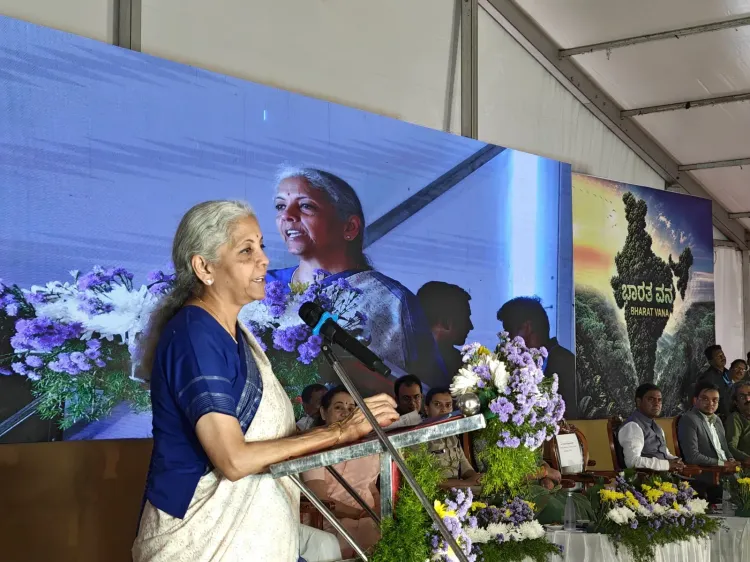
Union Finance Minister Nirmala Sitharaman launched the Organic Horticulture Nursery Project in Kudligi, Karnataka on June 5, 2026, calling it a significant step to strengthen the state's horticulture capacity and advance sustainable development.
Key Takeaways
Union Finance Minister Nirmala Sitharaman launched the Organic Horticulture Nursery Project in Kudligi, Vijayanagara district, Karnataka on June 5, 2026 .
The project is designed to strengthen Karnataka's horticulture capacity and promote sustainable agricultural development.
The launch aligns with national organic farming policy, including the Paramparagat Krishi Vikas Yojana (PKVY) introduced in 2015 .
Primary beneficiaries are horticulture and organic farmers in Kudligi and the surrounding rainfed farming areas of Vijayanagara district.
The initiative could serve as a replicable model for organic nursery infrastructure across Karnataka's dryland regions.
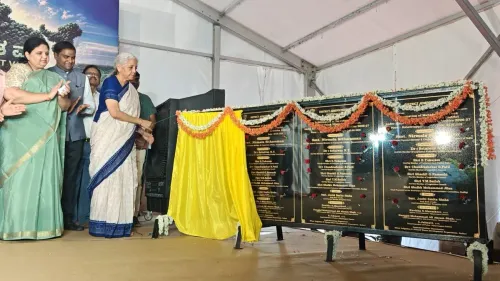
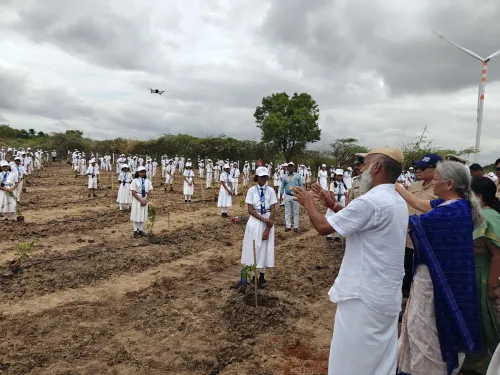
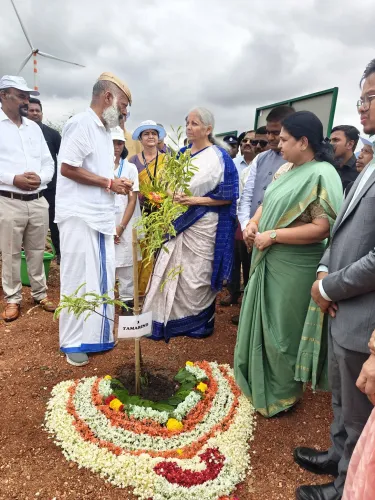
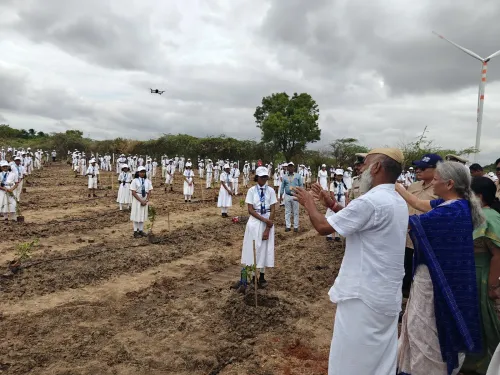
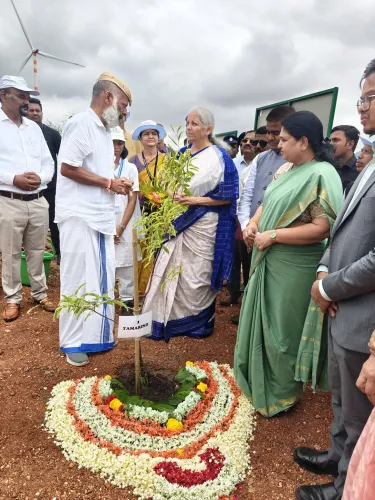
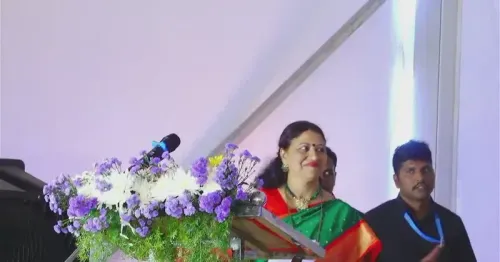
Union Finance Minister Nirmala Sitharaman on Friday, June 5, 2026, launched the Organic Horticulture Nursery Project in Kudligi, Vijayanagara district, Karnataka, and addressed the gathering at the inauguration. The initiative is aimed at strengthening Karnataka's horticulture capacity and advancing sustainable agricultural development in the region.
Context
Sitharaman's post, written in Kannada, stated: 'ಈ ಯೋಜನೆಯು ಕರ್ನಾಟಕದ ತೋಟಗಾರಿಕಾ ಸಾಮರ್ಥ್ಯವನ್ನು ಬಲಪಡಿಸುವುದರ ಜೊತೆಗೆ, ಸುಸ್ಥಿರ ಅಭಿವೃದ್ಧಿಯನ್ನು ಮತ್ತಷ್ಟು ಮುನ್ನಡೆಸುವ ಕಡೆಗೆ ಒಂದು ಪ್ರಮುಖ ಹೆಜ್ಜೆಯಾಗಿದೆ' — 'This project is a significant step towards strengthening Karnataka's horticulture potential and further advancing sustainable development.' The launch coincides with World Environment Day, lending additional symbolic weight to the inauguration of an organic farming initiative.
Kudligi is a town in Vijayanagara district known for its rainfed farming landscape and active horticulture sector. Sitharaman, who holds a strong political base in Karnataka, has periodically engaged with development projects in the state alongside her national portfolio.
Policy Backdrop
The launch fits within a broader national and state-level push to scale organic and natural farming. At the central level, the Paramparagat Krishi Vikas Yojana (PKVY), launched in 2015, has been a key vehicle for promoting organic farming clusters and participatory guarantee systems across Indian states, including Karnataka.
Karnataka has independently run multiple horticulture missions that integrate nursery development with climate-resilient cropping practices. Organic nursery infrastructure is considered foundational — providing certified planting material free of synthetic inputs — and is seen as a prerequisite for scaling certified organic produce in domestic and export markets.
Stakeholders and Impact
The primary beneficiaries of the Organic Horticulture Nursery Project are horticulture farmers and organic cultivators in and around Kudligi and the wider Vijayanagara district. Access to quality organic nursery stock can reduce input costs, improve soil health over successive cropping cycles, and open pathways to premium organic certification for farmers.
For Karnataka's agricultural economy, a functional organic nursery at Kudligi could serve as a supply node for surrounding rainfed areas where chemical input use has historically been lower, making the transition to certified organic farming comparatively easier. The project also aligns with state and national sustainable development commitments.
What's Next
Attention will now turn to the pace at which the Kudligi nursery becomes operational and the volume of certified organic planting material it can supply to farmers in the district. State budget allocations for horticulture and any follow-on announcements about replicating the model in other Karnataka districts will be closely watched.
The launch also raises the question of convergence with central schemes such as PKVY and the National Mission for Sustainable Agriculture, which could provide additional financial and technical support. If the Kudligi project demonstrates measurable output, it could serve as a template for similar organic horticulture infrastructure across Karnataka's dryland regions.
Point of View
Signalling deliberate political and policy engagement with Karnataka's agrarian constituencies ahead of electoral cycles. The choice of an organic nursery project — rather than a large infrastructure ribbon-cutting — reflects the broader pivot by both central and state governments toward sustainable agriculture as a credible policy plank. Framing the initiative as a step toward 'sustainable development' also connects it to India's international climate commitments, giving a local project national and diplomatic resonance. How quickly the nursery translates into tangible benefits for farmers will determine whether it becomes a replicable model or remains a symbolic inauguration.
NationPress
19 Sept 2026
Frequently Asked Questions
What is the Organic Horticulture Nursery Project launched in Kudligi?
The Organic Horticulture Nursery Project is a state-linked initiative inaugurated in Kudligi, Vijayanagara district, Karnataka on June 5, 2026, aimed at establishing organic nurseries to strengthen sustainable horticultural production and supply quality organic planting material to farmers.
Why did Nirmala Sitharaman visit Kudligi, Karnataka?
Union Finance Minister Nirmala Sitharaman visited Kudligi to formally launch the Organic Horticulture Nursery Project and address the gathering, reinforcing her engagement with development initiatives in Karnataka.
What is the Paramparagat Krishi Vikas Yojana and how does it relate to this project?
The Paramparagat Krishi Vikas Yojana (PKVY) is a central government scheme launched in 2015 to promote organic farming clusters across India. The Kudligi nursery project aligns with the PKVY's goals of reducing chemical inputs and scaling certified organic agriculture.
Who benefits from the Kudligi organic horticulture nursery?
Horticulture farmers and organic cultivators in Kudligi and the wider Vijayanagara district are the primary beneficiaries, gaining access to certified organic planting material that can lower input costs and support organic certification.
What is the significance of launching this project on June 5?
June 5 is observed as World Environment Day globally, and launching an organic farming initiative on this date underscores the project's alignment with environmental sustainability and Karnataka's commitment to climate-resilient agriculture.