Sitharaman Launches Organic Horticulture Project in Kudligi

Synopsis
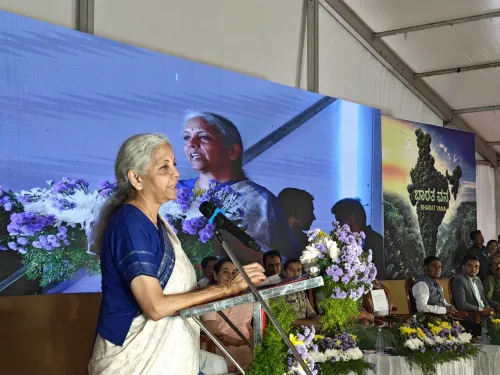
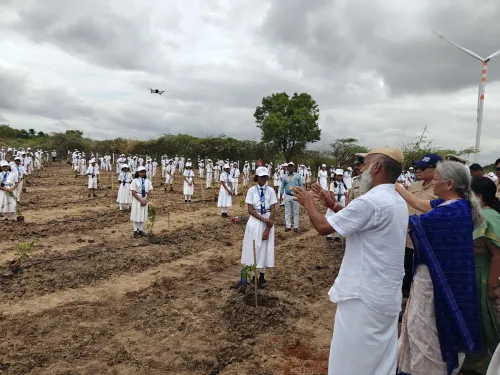
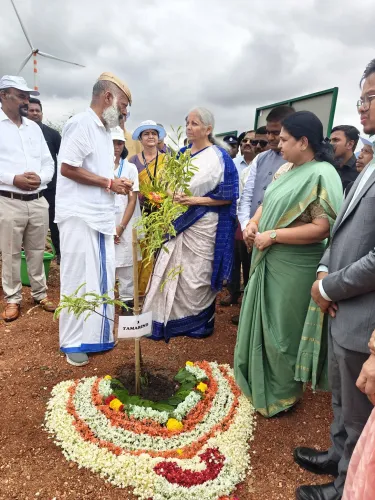
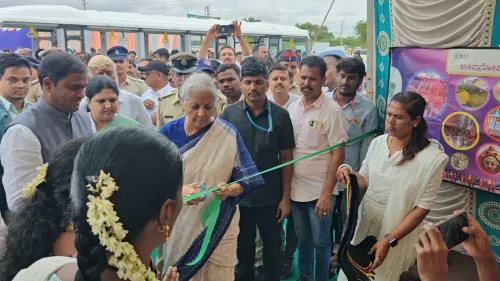
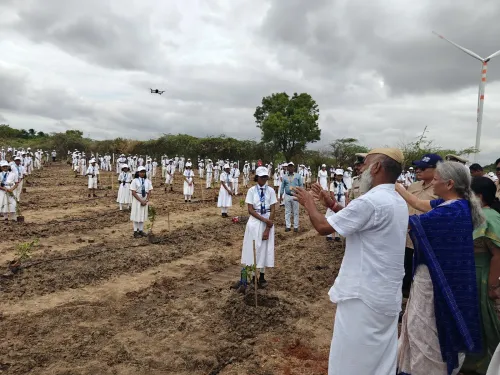
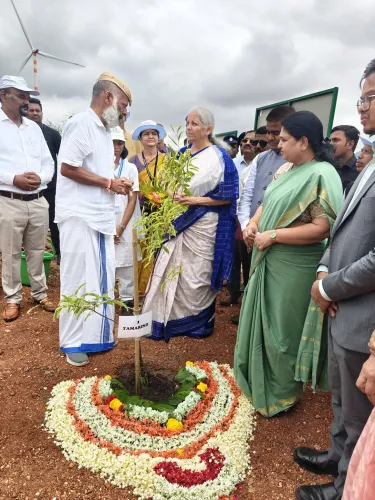
Union Finance Minister Nirmala Sitharaman addressed the launch of the Organic Horticulture Plantation Project in Kudligi, Ballari district, Karnataka on June 5, 2026. The initiative aims to establish certified organic horticultural plantations, with the Finance Ministry's involvement pointing to potential NABARD credit linkages and rural welfare objectives.
Key Takeaways
Union Finance Minister Nirmala Sitharaman addressed the launch of the Organic Horticulture Plantation Project in Kudligi, Karnataka on June 5, 2026 .
Kudligi is located in Ballari district , a region with significant rainfed agriculture and horticulture activity.
The project aims to establish organic plantations of horticultural crops, with organic certification support for enrolled farmers.
India's organic farming policy lineage includes the Paramparagat Krishi Vikas Yojana (2015) and the National Horticulture Mission (2005-06) , later integrated into MIDH .
Finance Ministry participation suggests possible linkages to NABARD funding or rural credit structures supporting the project.
Progress on farmer enrolment, area coverage, and certification status will be key indicators to watch in coming agricultural seasons.
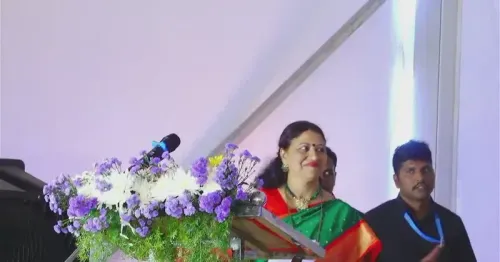
Union Finance Minister Nirmala Sitharaman addressed the launch of the Organic Horticulture Plantation Project in Kudligi, Karnataka, on Friday, June 5, 2026, with a full video of her address shared publicly via official channels.
Context
Kudligi, a town in Ballari district of Karnataka, has long been associated with rainfed agriculture and horticulture activity. The launch marks a formal push to establish organic plantations of horticultural crops in the region, bringing the Finance Ministry's visible engagement to an agricultural welfare initiative at the grassroots level.
Sitharaman's presence at a state-level horticulture project underscores the Centre's broader interest in organic farming transitions, particularly where rural credit and institutional funding mechanisms such as NABARD are involved.
Policy Backdrop
India's organic farming policy architecture has been built over two decades. The Paramparagat Krishi Vikas Yojana, launched in 2015, created cluster-based organic farming models with certification support across states. The National Horticulture Mission, initiated in 2005-06 and later integrated into the Mission for Integrated Development of Horticulture (MIDH), expanded the area under horticulture crops while incorporating organic components.
The Mission Organic Value Chain Development for the North Eastern Region has served as a replicable model for promoting certified organic produce in other agro-climatically suitable zones. Karnataka, with its diverse agro-climatic zones and established fruit and vegetable base, has integrated these objectives into its state horticulture policy.
Stakeholders and Impact
The primary beneficiaries of the Organic Horticulture Plantation Project are horticulture farmers in and around Kudligi who stand to gain from structured support for organic transition, including access to certification pathways that open premium domestic and export markets. Organic certification agencies are also key actors in the project's implementation chain.
Successive central governments have promoted organic and natural farming to reduce chemical input costs, improve long-term soil health, and position Indian agricultural produce competitively in global markets. A Finance Minister's direct participation in such a launch signals potential linkages to formal credit and fiscal support structures for enrolled farmers.
What's Next
Observers will watch for progress reports detailing the area brought under organic cultivation, the number of farmers enrolled, and the certification status achieved under the Kudligi project over the coming agricultural seasons. The project's outcomes could inform similar organic horticulture initiatives in other rainfed districts of Karnataka and potentially serve as a template for other states with comparable agro-climatic profiles.
With the Finance Ministry's engagement now publicly documented, questions around funding structures — including any NABARD-backed credit linkages — and measurable targets are likely to draw attention from agricultural policy analysts and farmer organisations alike.
Point of View
Building on the Paramparagat Krishi Vikas Yojana architecture. How the project is funded and whether it delivers measurable farmer outcomes will determine whether it becomes a replicable model or remains a ceremonial milestone.
NationPress
20 Oct 2026
Frequently Asked Questions
What is the Organic Horticulture Plantation Project in Kudligi?
The Organic Horticulture Plantation Project is a state-level initiative in Karnataka aimed at establishing certified organic plantations of horticultural crops in Kudligi , Ballari district , with support for farmer enrolment and organic certification.
Why did Finance Minister Nirmala Sitharaman attend a horticulture launch in Karnataka?
Finance Minister Nirmala Sitharaman addressed the launch on June 5, 2026 . The Finance Ministry's involvement in such projects typically points to institutional funding linkages, including possible NABARD credit support for farmers transitioning to organic cultivation.
What is the Paramparagat Krishi Vikas Yojana and how is it related?
The Paramparagat Krishi Vikas Yojana , launched in 2015 , is a central government scheme that creates cluster-based organic farming groups and provides certification support. It forms part of the policy lineage underpinning organic horticulture initiatives like the one launched in Kudligi.
Where is Kudligi and why is it significant for horticulture?
Kudligi is a town in Ballari district, Karnataka , known for rainfed agriculture and horticulture activity. Its agro-climatic profile makes it suitable for organic horticultural crops, aligning with Karnataka's broader state horticulture policy goals.
What should farmers and stakeholders watch for next in the Kudligi project?
Key indicators to watch include the total area brought under organic cultivation, the number of farmers enrolled in the project, and the progress of organic certification processes over the coming agricultural seasons.