FM Sitharaman chairs first pre-Budget 2027-28 meet with top economists
Synopsis
The Union Budget 2027-28 process has formally kicked off — Finance Minister Nirmala Sitharaman convened the first economist consultation on 16 November, even as industry bodies like PHDCCI are already lobbying for zero customs duty on LPG, LNG, and naphtha to cut manufacturing costs across energy, steel, aluminium, and petrochemical sectors.
Key Takeaways
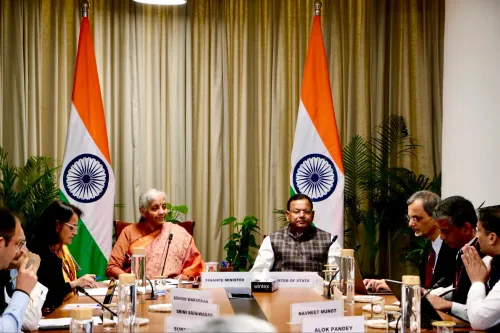
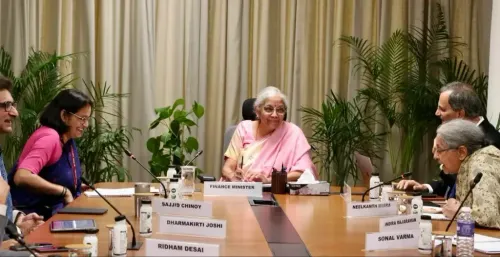
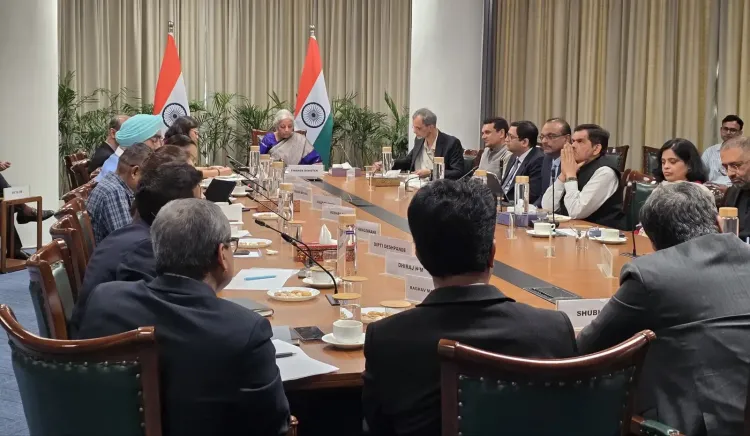
Finance Minister Nirmala Sitharaman chaired the first pre-Budget consultation with leading economists on 16 November 2026 in New Delhi .
The meeting was attended by CEA V Anantha Nageswaran and DEA Secretary Anuradha Thakur , along with senior DEA officers.
PHDCCI has proposed reducing basic customs duty on LPG, naphtha, and heavy petroleum feedstocks to zero from the current 2.5 per cent .
The chamber also called for removal of customs duty on LNG and lower tariffs on petroleum coke used in aluminium manufacturing.
Continuation of the existing customs duty structure on steel scrap beyond March 2028 was also sought.
The pre-Budget outreach, which had already included industry stakeholders, will intensify ahead of the Budget session.
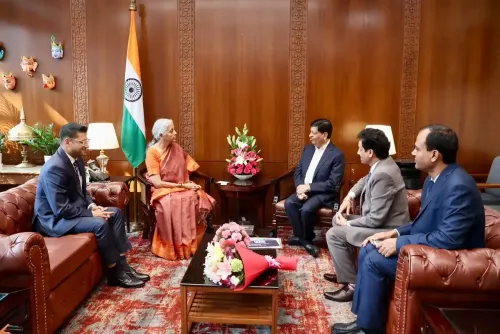
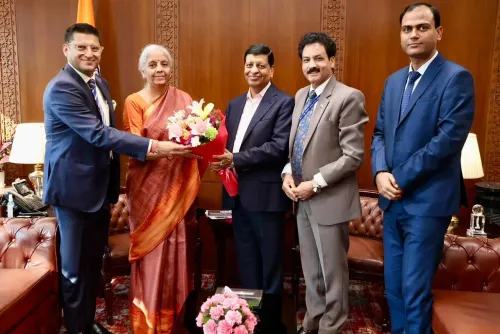
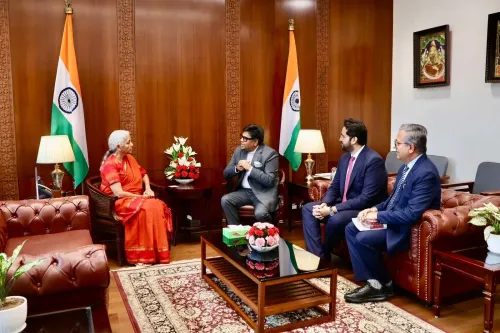
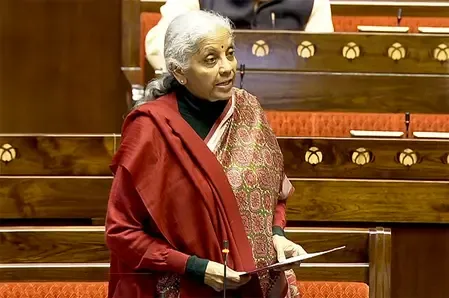
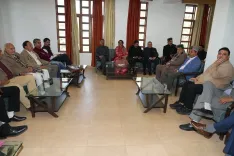
Finance Minister Nirmala Sitharaman on Monday, 16 November 2026, chaired the first pre-Budget consultation with leading economists ahead of the Union Budget 2027-28, according to an official statement. The meeting, held in New Delhi, signals the formal launch of the Centre's outreach process to shape fiscal priorities for the coming year.
Who Was in the Room
The consultation was attended by Anuradha Thakur, Secretary of the Department of Economic Affairs (DEA), and V Anantha Nageswaran, Chief Economic Advisor (CEA) to the government, along with senior DEA officers. The gathering of the government's top economic minds suggests the Budget 2027-28 process is now in an active, structured phase.
Industry Voices Already on the Table
Ahead of Monday's economist-led session, the Finance Minister had already convened separate pre-Budget meetings with industry stakeholders. In one such meeting — conducted through the Tax Research Unit of the Revenue Department under the Ministry of Finance — the PHD Chamber of Commerce and Industry (PHDCCI) put forward a detailed set of customs duty reform recommendations.
The chamber highlighted the need to rationalise duties on critical industrial raw materials and energy inputs, arguing that such measures would reduce manufacturing costs, improve energy security, strengthen domestic value chains, and sharpen India's global competitiveness.
PHDCCI's Key Budget Proposals
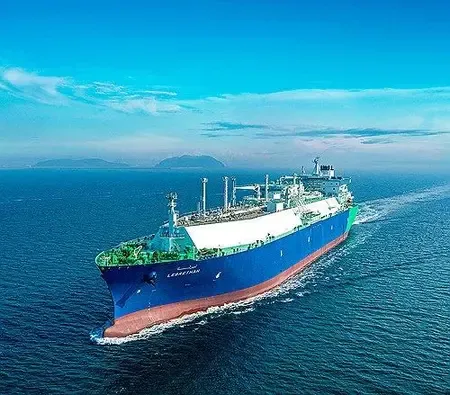
Among its specific demands, PHDCCI called for reducing the basic customs duty on liquefied petroleum gas (LPG), heavy petroleum feedstocks, and naphtha to zero from the current 2.5 per cent. The chamber also sought rationalisation of duties on petroleum coke used in industrial manufacturing and urged the continuation of the existing basic customs duty structure on steel scrap beyond March 2028.
Additionally, PHDCCI sought the removal of basic customs duty on liquefied natural gas (LNG) and lower tariffs on petroleum coke used specifically in aluminium manufacturing. The chamber noted that these inputs span a wide range of sectors — including energy, fertilisers, steel, aluminium, petrochemicals, infrastructure, construction, textiles, and engineering.
Why It Matters
Customs duties on key raw materials and intermediate goods, as PHDCCI argued, can significantly influence production costs, investment decisions, and the competitiveness of downstream industries. A more streamlined duty structure, the chamber contended, would generate cost efficiencies across interconnected manufacturing value chains. This comes amid broader government intent to position India as a globally competitive manufacturing hub — a goal that Budget 2027-28 may be expected to advance in concrete fiscal terms.
With the economist consultation now begun, the pre-Budget calendar is set to gather pace, and further sectoral and stakeholder meetings are expected before the Budget is tabled in Parliament.
Point of View
LNG, and naphtha are not new — industry has pushed these for several Budgets — but the energy-security angle now gives them fresh political weight. Whether the Finance Ministry acts on them or uses the consultation cycle as a pressure-relief valve will reveal how much fiscal space it is actually willing to trade for manufacturing competitiveness in 2027-28.
NationPress
16 Nov 2026
Frequently Asked Questions
What is the pre-Budget consultation for Union Budget 2027-28?
It is a structured outreach process in which Finance Minister Nirmala Sitharaman meets economists, industry bodies, and other stakeholders to gather inputs before finalising the Union Budget 2027-28. The first economist-focused session was held on 16 November 2026 in New Delhi.
Who attended the pre-Budget meeting chaired by FM Sitharaman?
The meeting was attended by Chief Economic Advisor V Anantha Nageswaran, DEA Secretary Anuradha Thakur, and senior officers from the Department of Economic Affairs, in addition to leading economists.
What did PHDCCI recommend for Budget 2027-28?
PHDCCI recommended reducing basic customs duty on LPG, naphtha, and heavy petroleum feedstocks to zero from 2.5 per cent, removing customs duty on LNG, lowering tariffs on petroleum coke for aluminium manufacturing, and continuing the existing duty structure on steel scrap beyond March 2028.
Why are customs duty reforms important for India's manufacturing sector?
Customs duties on raw materials and intermediate goods directly affect production costs and investment decisions across sectors including energy, fertilisers, steel, aluminium, petrochemicals, and textiles. Industry bodies argue that rationalising these duties would strengthen domestic value chains and improve India's global manufacturing competitiveness.
When will the Union Budget 2027-28 be presented?
The Union Budget 2027-28 is expected to be presented in Parliament in early 2027, following the completion of the pre-Budget consultation process. The government has not yet announced a specific date.