Sitharaman Meets MDMK MP Durai Vaiko at Parliament House
Synopsis
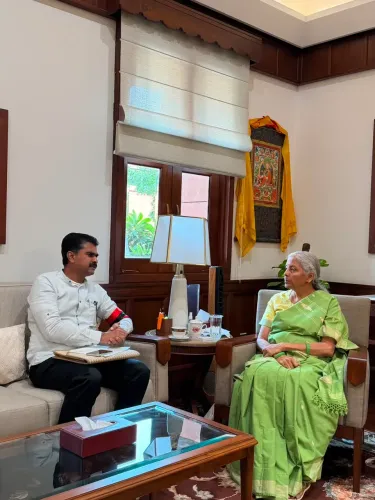
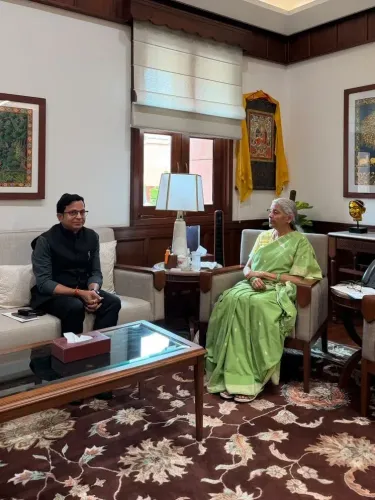
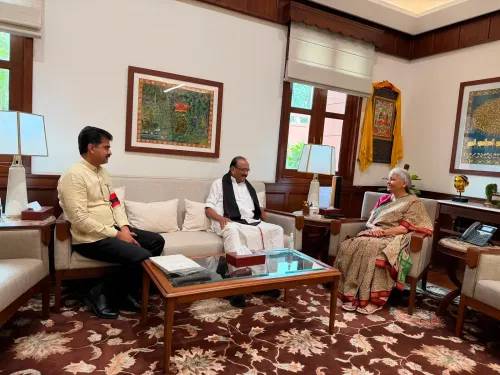
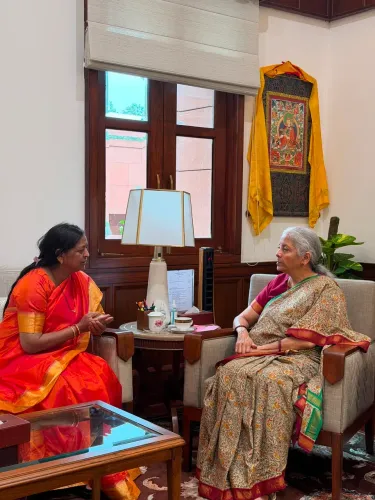
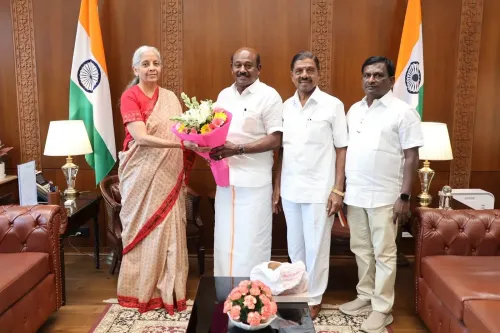
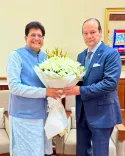
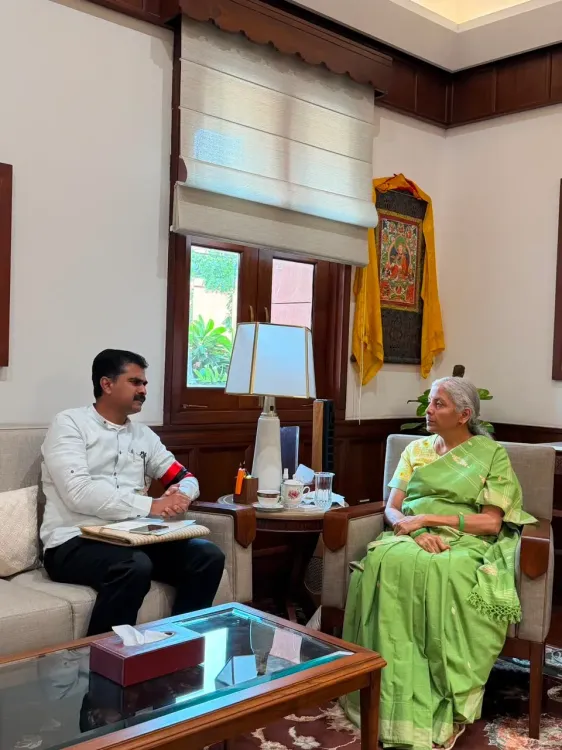
Union Finance Minister Nirmala Sitharaman met MDMK Lok Sabha MP Durai Vaiko at Parliament House on 22 July 2026. The courtesy call reflects routine executive-legislature engagement during the parliamentary session, with no agenda publicly disclosed.
Key Takeaways
Union Finance Minister Nirmala Sitharaman met MDMK Lok Sabha MP Durai Vaiko at Parliament House on 22 July 2026 .
The meeting was described as a formal 'call on' — a standard courtesy visit between an MP and a senior minister.
No agenda or outcome was made public by either side.
Such meetings are routine during parliamentary sessions and often address state-level fiscal and scheme-related concerns.
Tamil Nadu has historically raised issues of central tax devolution and scheme funding in engagements with the Union Finance Ministry.
The interaction reflects the MDMK 's direct engagement with the Union executive independent of the state government's own representations.
Union Finance Minister Nirmala Sitharaman received Durai Vaiko, Lok Sabha Member of Parliament and leader of the MDMK, at Parliament House in New Delhi on Wednesday, 22 July 2026, in a courtesy call that reflects the ongoing engagement between the Union executive and regional parliamentary representatives.
Context
The meeting was shared by Sitharaman on her official social media account, describing it as a 'call on' — parliamentary parlance for a formal courtesy visit. Durai Vaiko, son of veteran MDMK chief Vaiko, represents Tamil Nadu in the Lok Sabha and has been an active voice for regional concerns in Parliament. No agenda or outcome was disclosed publicly.
Such meetings between the Finance Minister and Lok Sabha MPs are a standard feature of India's parliamentary calendar, particularly when both Houses are in session. They provide a direct channel for regional representatives to raise constituency-level fiscal concerns with the Union government.
Policy Backdrop
Sitharaman has held the Finance portfolio since 2019 and has presented multiple Union Budgets, each of which carries significant implications for state-level allocations, central scheme funding, and tax devolution to states including Tamil Nadu. Regional parties such as the MDMK have historically used such engagements to press for greater fiscal transfers and state-specific infrastructure investment.
Tamil Nadu has, in recent years, raised concerns about its share in central tax devolution and the funding of flagship schemes. Meetings of this nature, while routine, often feed into budget-cycle discussions and can inform the framing of state-specific demands ahead of formal parliamentary debates.
Stakeholders and Impact
For Tamil Nadu's political landscape, the meeting signals that the MDMK — a Dravidian regional party — is maintaining direct communication lines with the Union Finance Ministry, independent of the broader state government's interactions with New Delhi. Regional MPs often use such access to flag issues ranging from central scheme implementation gaps to pending grants for state projects.
The broader pattern of Finance Minister meetings with individual MPs underscores the federal bargaining dynamic in India, where regional parties exercise leverage through direct executive engagement even when they are not part of the ruling coalition at the Centre.
What's Next
The specific outcomes of the meeting, if any, are likely to surface in the form of parliamentary questions, budget memoranda, or statements during the ongoing session. Observers will watch for any Tamil Nadu-specific announcements in central scheme allocations or infrastructure funding that may follow such consultations. The meeting adds to the record of cross-party legislative-executive dialogue that characterises the current parliamentary session.
Point of View
And the MDMK's engagement fits that pattern. With the budget cycle and central scheme reviews perpetually in motion, such courtesy calls can quietly seed the ground for state-specific fiscal requests. The absence of any disclosed agenda keeps the interaction in the realm of routine governance, but the optics of cross-party dialogue are never entirely without political signal.
NationPress
22 Jul 2026
Frequently Asked Questions
Why did Durai Vaiko meet Nirmala Sitharaman at Parliament House?
The meeting was a formal courtesy call, as described in the Finance Minister's post. No specific agenda was publicly disclosed.
What is the significance of an MP calling on the Finance Minister?
Such calls are routine during parliamentary sessions and provide MPs a direct channel to raise constituency or state-level fiscal concerns with the Union Finance Ministry.
Does the MDMK support the BJP-led Union government?
The MDMK is a regional Tamil Nadu party that operates independently at the national level; its parliamentary positions vary by issue.
What issues does Tamil Nadu typically raise with the Union Finance Ministry?
Tamil Nadu MPs have raised concerns about central tax devolution, funding for state infrastructure projects, and implementation of central schemes in the state.