Smriti Irani alleges global forces using opposition as 'toolkit'
Synopsis
BJP leader Smriti Irani alleged on 17 October 2026 that unnamed global forces are using India's entire opposition as a 'toolkit' to push their agenda, reviving a recurring BJP charge that domestic dissent is externally orchestrated rather than organic.
Key Takeaways
Smriti Irani , senior BJP leader and former Union Minister, alleged on 17 October 2026 that global forces are deploying the opposition as a 'toolkit' against India's progress.
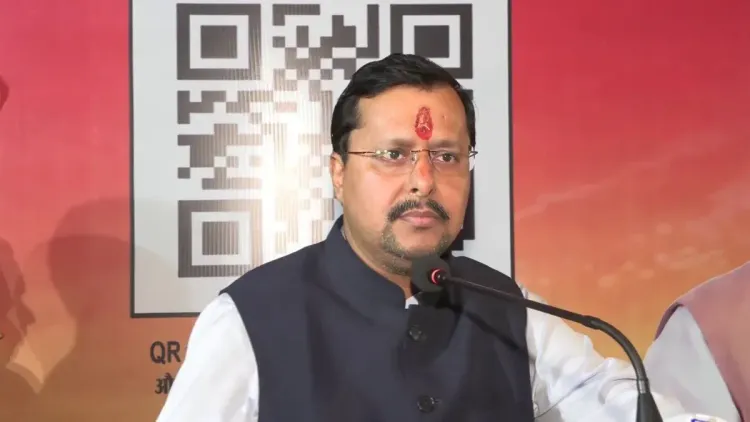
The post was addressed to Nitin Nabin , BJP MP from Bihar , indicating coordinated party messaging.
The 'toolkit' framing was first prominently deployed by the ruling establishment in 2021 during the farmers' protest to allege foreign coordination against India.
BJP leaders have periodically revived the charge during protests, elections, and episodes of international commentary on Indian governance.
Opposition parties have consistently rejected the framing as an attempt to delegitimise lawful domestic dissent.
Parliamentary debates and upcoming state election campaigns are the likely next arenas for this argument.
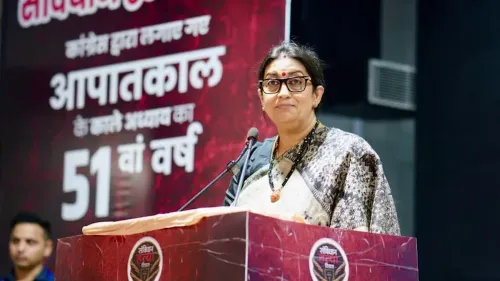
India's rise on the world stage, BJP leader Smriti Irani argues, is making certain unnamed global powers uncomfortable — and those powers, she claims, are channelling that discomfort straight through the domestic opposition. The former Union Minister made the charge on Saturday, 17 October 2026, in a pointed post on X directed at fellow BJP parliamentarian Nitin Nabin.
Irani's post, written in Hindi, states: 'Bharat ki pragati kuch vaishvik taakton ko khatak rahi hai aur vo poore vipaksh ko apne agenda ke liye toolkit ke roop mein istemal kar rahe hain.' In English: 'India's progress is bothering certain global forces, and they are using the entire opposition as a toolkit for their agenda.' The remark is addressed to Nitin Nabin, BJP MP from Bihar, suggesting an ongoing conversation within party ranks about how to frame opposition activity ahead of political contests.
The 'toolkit' charge — a recurring BJP playbook
The word 'toolkit' carries specific political freight in India. As far back as 2021, the central government and Delhi Police cited an alleged toolkit document linked to the farmers' protest, claiming it demonstrated foreign coordination aimed at destabilising the country. Since then, ruling party figures have returned to the framing repeatedly — whenever domestic opposition amplifies issues like economic inequality, institutional autonomy, or international human-rights commentary on India.
The pattern is consistent: portray criticism not as organic domestic dissent but as a script handed down by hostile external actors. The strategy reframes the political battlefield — instead of debating policy on its merits, it questions the very legitimacy and independence of those raising the questions.
Irani, Nabin, and the Bihar connection
Smriti Irani served as Union Minister for Women and Child Development and later Minority Affairs, and remains one of the BJP's most prominent communicators. Nitin Nabin, the BJP MP she is addressing, represents a constituency in Bihar — a state that carries enormous electoral weight in national politics. The public exchange between two senior party figures signals that the 'foreign interference' narrative is being actively coordinated, not just spontaneously aired.
Opposition parties have consistently rejected the toolkit framing as an attempt to delegitimise lawful dissent and deflect scrutiny of governance. Parliamentary debates and state election campaigns are the most likely arenas where this argument will be pressed further in the coming weeks.
Whether the charge lands as a winning political argument or backfires as deflection will depend on one thing: whether voters see India's critics as foreign-funded saboteurs — or as fellow citizens with genuine grievances.
Point of View
The party signals it intends to push this framing into the electorally crucial Hindi heartland. The strategy serves a dual purpose: it immunises the government against criticism by questioning critics' motives, and it shifts the debate from specific policy failures to abstract questions of national sovereignty. Historically, such rhetoric intensifies ahead of elections or when opposition messaging gains traction on economic or institutional issues.
NationPress
17 Oct 2026
Frequently Asked Questions
What did Smriti Irani say about the opposition and global forces?
Smriti Irani alleged on 17 October 2026 that certain unnamed global forces are troubled by India's progress and are using the entire domestic opposition as a 'toolkit' to advance their agenda.
What is the 'toolkit' controversy in Indian politics?
The 'toolkit' charge refers to allegations, first prominently made in 2021 during the farmers' protest, that a document existed showing foreign coordination to destabilise India. Since then, BJP leaders have used the term to suggest opposition activity is externally directed.
Who is Nitin Nabin and why did Smriti Irani address him?
Nitin Nabin is a BJP member of parliament from Bihar. Irani addressed her post to him, indicating the 'foreign interference' narrative is being actively discussed and coordinated within senior party ranks.
How has the opposition responded to the 'toolkit' allegation?
Opposition parties have consistently rejected the toolkit framing, calling it an attempt to delegitimise lawful dissent and divert attention from governance issues rather than engage with substantive criticism.
When is this kind of 'foreign interference' rhetoric typically used by the BJP?
Ruling party figures have tended to deploy this narrative during major protest movements, ahead of elections, or when international commentary on Indian governance gains attention domestically.